Trump Claims Strait Open, But Was It Ever Closed?
Donald Trump declared the Strait of Hormuz open, but critics question the actual gains given the conflict's cost. Reports from Iran contradict key claims, suggesting the strait may not have been fully closed. This situation raises concerns about accountability and the true impact of foreign policy decisions.

Trump’s Strait Announcement Sparks Debate on Real Gains
Former President Donald Trump recently announced that the Strait of Hormuz is fully open for business, framing it as a significant achievement. This declaration comes after a period of heightened tension and military action involving Iran. However, critics quickly pointed out that the strait was reportedly open and in use by global shipping before the conflict began, raising questions about the true impact of the recent events and the cost associated with returning to the status quo.
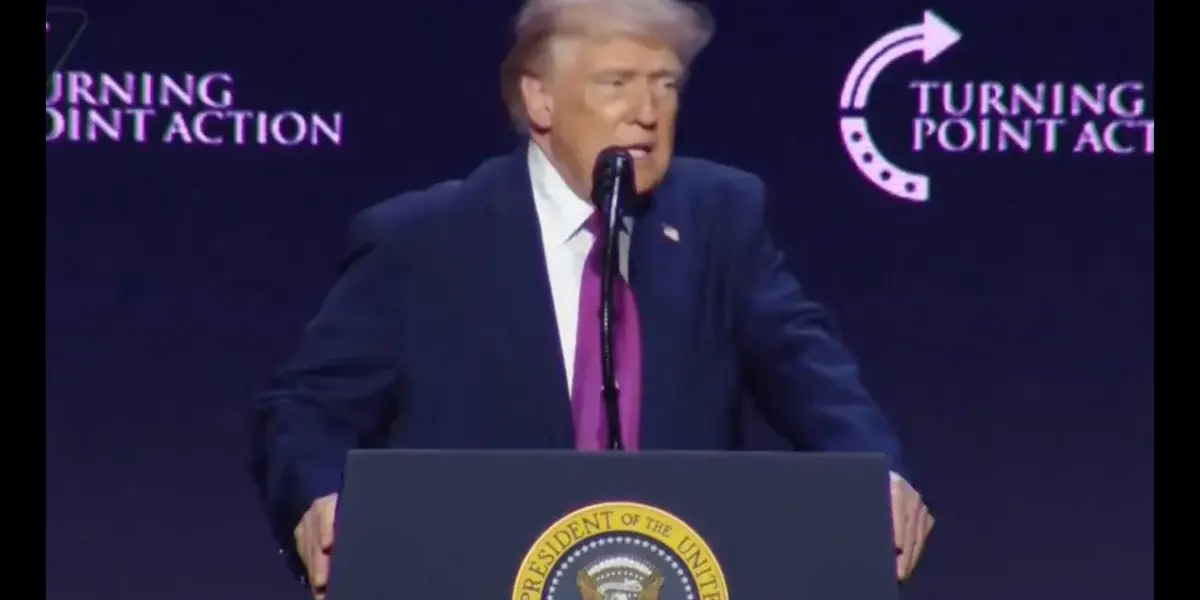
The announcement was made on stage, with Trump stating that Iran had agreed to allow full passage through the Strait of Hormuz. He also linked this to an ongoing transaction with Iran, suggesting it would be completed soon. This statement was met with skepticism, particularly in light of the reported casualties, wounded service members, and significant financial expenditure incurred during the recent conflict.
Examining the Cost of “Getting Back to Zero”
The narrative surrounding Trump’s announcement suggests a return to a previous state of affairs, rather than a genuine advancement. With at least 13 U.S. service members lost and over 400 wounded, coupled with billions of dollars spent and a surge in gas prices, the question arises: what was truly gained? Critics argue that celebrating the reopening of a strait that was already functioning before the conflict began sets an alarmingly low bar for success.
This situation has drawn comparisons to a dog cleaning up its own mess on the carpet and then expecting praise. The implication is that Trump’s approach involves creating or exacerbating a problem, only to later claim credit for fixing it. This pattern, if accurate, suggests a focus on perceived victories rather than substantive, long-term solutions.
Divergent Reporting and Potential Misinformation
Further complicating the narrative, reports from Iran contradict key aspects of Trump’s claims. While Trump stated that Iran agreed to give up its nuclear material and work with the U.S. to retrieve it, Iranian officials have reportedly rejected these assertions. Iran’s foreign ministry spokesperson denied any transfer of enriched uranium, and the speaker of Iran’s parliament claimed that Trump’s statements were false.
These conflicting accounts highlight the challenge of discerning facts amidst differing political narratives. The media’s coverage also varies, with some outlets emphasizing a quick resolution and others focusing on potential risks, such as the possibility of U.S. ground troops in Iran. This divergence highlights the importance of cross-referencing information from various sources to form a complete picture.
Historical Context and Strategic Implications
The Strait of Hormuz has historically been a critical chokepoint for global oil transport. Its strategic importance means that any disruption or perceived control over it by Iran can have significant economic repercussions worldwide. The current situation brings to mind past discussions and plans for regime change in Iran, which have often been abandoned due to the immense potential consequences, including the leverage Iran holds through the Strait.
The decision to engage militarily, and the subsequent claims of resolution, must be viewed within the broader context of U.S. foreign policy and its objectives in the Middle East. The potential for escalation, the human cost, and the economic impact are all crucial factors that analysts consider when evaluating such actions.
The Role of Ego in Foreign Policy Decisions
Some analyses suggest that decisions in foreign policy, particularly under certain administrations, can be driven by ego and a desire for legacy-building rather than purely by strategic necessity or national interest. The comparison to actions in Venezuela and the potential aspiration to influence other long-standing adversaries like Cuba points to a possible pattern of intervention driven by a desire for historical recognition.
This perspective suggests that the perceived success in resolving the Strait of Hormuz situation, even if it means returning to a pre-conflict state, is framed as a personal victory. The argument is that such actions might be prioritized over domestic needs, such as healthcare or food assistance, if they align with an individual’s vision of their own historical significance.
Why This Matters
The events surrounding the Strait of Hormuz and the subsequent pronouncements raise critical questions about accountability, the cost of conflict, and the nature of political leadership. The discrepancy between claims of victory and the reality on the ground, coupled with the human and financial toll, demands public scrutiny.
Understanding how information is presented and consumed is vital. Tools that help citizens access a wider range of news sources and identify potential biases, like Ground News mentioned in the transcript, can empower individuals to make more informed judgments about complex geopolitical events and the leaders involved.
Future Outlook and Citizen Responsibility
The ongoing political climate suggests a continued focus on how power is wielded and by whom. For voters, the upcoming elections present an opportunity to evaluate performance against promises and to hold public servants accountable for their actions and their impact on both domestic conditions and international relations.
The conversation also extends to the broader discussion of political power, its abuse by some, and its underutilization by others. As noted in the mention of the book “The Day After: How to Wield Power in a Post-Trump World,” understanding and effectively using power remains a central theme in contemporary politics.
Ultimately, the situation is a reminder that public service is a trust, and the actions of leaders have real-world consequences for citizens at home and abroad. The expectation should be for tangible progress and responsible stewardship of resources, not for self-congratulation over returning to a previous, precarious state.
Source: Trump attempts announcement on stage, FAILS INSTANTLY (YouTube)

Related Articles
Trump’s Iran Deal Hypocrisy Fuels Political Firestorm
Reports suggest a potential $20 billion asset release to Iran, drawing accusations of hypocrisy against Donald Trump due to his past strong criticisms of similar deals. This controversy highlights ongoing debates about his negotiating tactics and foreign policy consistency. The situation also brings attention to broader themes of political accountability and the scrutiny of business dealings by political figures and their families.

Trump’s Base Fractures as Key Supporters Voice Doubts
Donald Trump's political base is showing signs of division as key supporters voice growing concerns about his actions and statements. Reports indicate a "shocking number" of his supporters have turned against him, particularly within the manosphere and among religious conservatives, who are questioning his leadership on issues from foreign policy to social commentary. This fracturing is impacting his ability to maintain narrative dominance and could have significant implications for future elections.

Trump Faces Embarrassment at WHCD Over Epstein Report Honor
Donald Trump is set to attend the White House Correspondents' Dinner, an event that will honor the Wall Street Journal for its reporting on a sexually suggestive birthday message allegedly sent by Trump to Jeffrey Epstein. The former president's attendance is expected to be particularly awkward given his history of conflict with the press and the nature of the award.