Russia Faces Mounting Pressure, Allies Shift
Russia faces mounting pressure as battlefield casualties rise and key allies shift their stances. Hungary's new leadership has signaled a willingness to unblock crucial aid for Ukraine, while Russia's economy shows signs of strain. The conflict continues as a war of attrition with no clear end in sight.

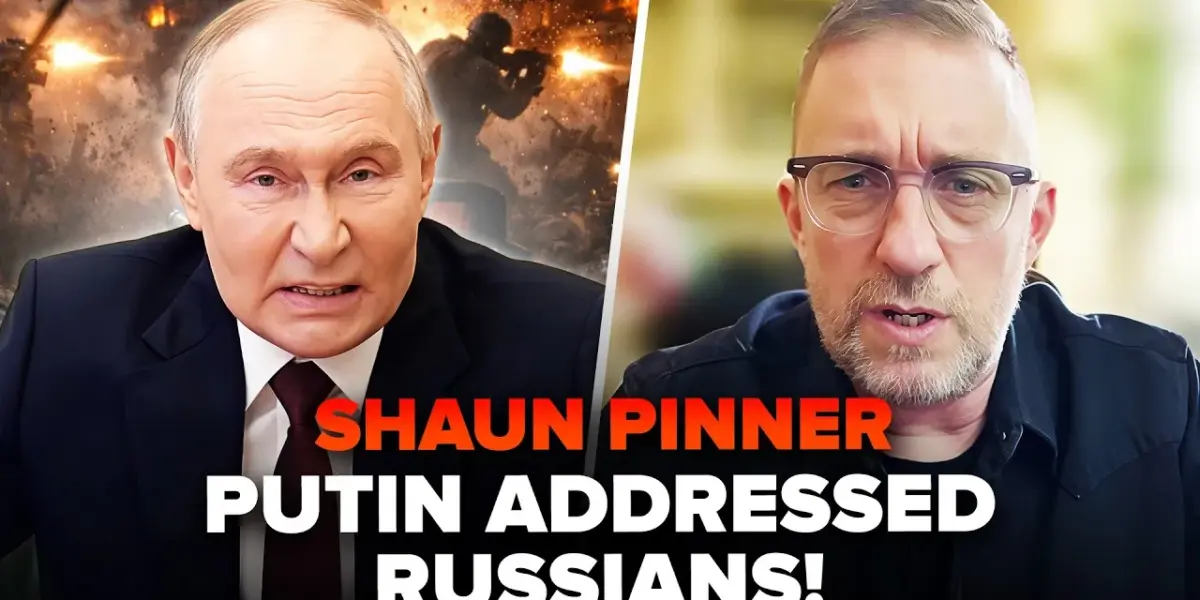
Russia Struggles Amidst Shifting Alliances and Battlefield Strain
Russian President Vladimir Putin faces significant pressure as his country grapples with escalating battlefield casualties and a changing geopolitical landscape. Recent events suggest Russia’s strategic position is weakening, with key allies showing signs of distance and economic strain increasing.
Hungary’s Stance Signals a Shift
The shift in Hungary’s political leadership, with Peter Mader taking over from Viktor Orban, has removed a significant obstacle for Ukraine. Hungary’s new leadership has signaled a willingness to unblock crucial financial aid, including a previously stalled 90 billion euro package. This move is seen as a vital step towards providing Ukraine with much-needed stability for the next two years, ensuring its military and associated projects can continue without financial worry.
Economic Strain and Mobilization Concerns
Russia’s economy is reportedly under increasing strain, with rising budget deficits causing concern. This economic pressure, coupled with sustained high casualty rates, is fueling speculation about a potential new wave of mobilization.
The transcript suggests that Russia cannot maintain its current casualty rates indefinitely and may be forced to either mobilize more troops or pursue negotiations. The prolonged nature of the conflict appears to be increasingly favoring Ukraine.
Battlefield Realities and Casualty Figures
Despite claims of a ceasefire, fighting in Ukraine has continued with widespread violations. Reports indicate thousands of violations within the first 24 hours of the supposed truce. There are also serious allegations of Ukrainian prisoners of war being shot during this period, which, if substantiated, would represent another war crime.
The daily casualty figures for Russia remain high, reportedly exceeding a thousand killed or injured each day. This rate is described as equivalent to losing two battalions daily, a pace that Russia struggles to replace through recruitment.
Strategic Implications: A War of Attrition
The ongoing conflict is increasingly resembling a war of attrition. Russia’s military is reportedly stretched thin, unable to maintain consistent offensive pressure across all fronts. This strain is evident in the reduced frequency of strikes in some areas, suggesting a concentration of forces on specific objectives.
The failure of Russia’s winter campaign further highlights these difficulties. The high casualty rate, described as unsustainable, forces Russia into difficult strategic choices.
The Role of External Support and Political Shifts
The United States’ political climate and potential shifts in its foreign policy are also seen as critical factors. The possibility of Donald Trump losing upcoming elections could further isolate Russia by closing off potential avenues of support.
Conversely, a Trump victory and a Republican-controlled Congress might present a different scenario, potentially impacting aid to Ukraine. The article highlights that the United States’ stance, particularly any perceived sympathy towards authoritarian leaders, is closely watched.
Ukraine’s Resilience and Determination
Ukraine’s resolve remains strong, fueled by significant sacrifices. The country is not expected to cede territory easily, especially given the high cost already paid.
With increased military production and collaboration with European and American partners, Ukraine is positioning itself for a prolonged struggle. The narrative suggests that Ukraine will determine the terms of any resolution to the war, rather than external powers.
Historical Parallels and Future Outlook
The current situation is compared to earlier periods where leaders sought closer ties with Europe, only to face complex political outcomes. The article suggests that the conflict is far from over, with no clear end in sight for the current year.
A cautious optimism exists, but the path forward involves significant challenges. The focus remains on convincing global partners of the necessity of continued support for Ukraine.
Unheard Voices Emerge from Russia
Within Russia, there are increasingly rare public acknowledgments from bloggers and state media hosts admitting mistakes were made in the conduct of the war. This internal dissent, though muted by strict media control, suggests growing unease. President Putin’s efforts to portray himself favorably domestically are contrasted with the reality of continuous ceasefire violations, painting a picture of a Kremlin under pressure and attempting to manage a difficult narrative.
Upcoming Developments
The coming months will likely see continued diplomatic maneuvering regarding international aid and political alliances. Further shifts in global political landscapes could significantly impact the conflict’s trajectory, while battlefield developments will continue to be closely monitored for any changes in the war of attrition.
Source: 😱Kremlin preparing unpleasant surprise for Russians! Putin has issued an order to his generals (YouTube)

Related Articles

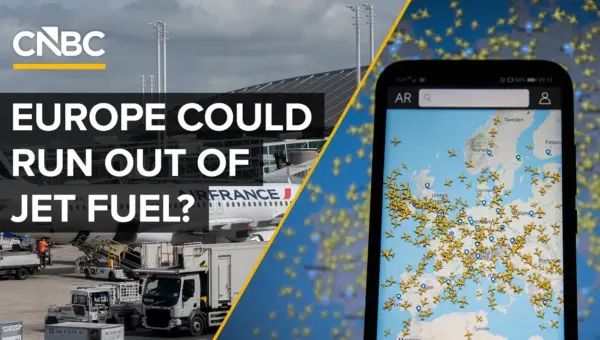
Europe Faces Jet Fuel Crunch, Threatening Summer Travel
Europe faces a critical jet fuel shortage, threatening summer travel. Reliant on Middle Eastern imports, disruptions have led to rising fuel costs, forcing airlines to increase ticket prices and adjust schedules. Travelers can expect higher fares and potential flight rationing as the peak season approaches.
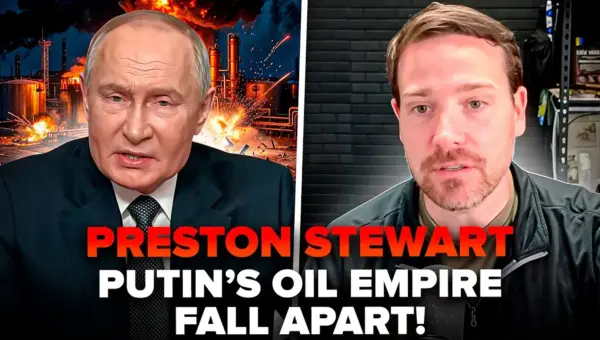
Ukraine’s Drone War Shifts Battlefield Dynamics
Ukraine's strategic shift to drone warfare is reshaping the battlefield as Western aid dwindles. The nation's innovation in this area forces Russian adaptation and challenges Moscow's objectives. Observers note Russia's resilience despite high casualties, while Ukraine's drone advancements offer potential for future technology transfer.

Trump’s Chaotic Diplomacy Fuels Iran Tensions
Conflicting reports and last-minute changes surrounding JD Vance's role in Iran negotiations highlight the Trump administration's chaotic foreign policy. This pattern of escalating threats followed by claims of progress raises questions about U.S. credibility and the path toward stability.