Lebanon’s Ceasefire: A Fragile Truce Amidst Deep Divisions
A fragile ceasefire between Lebanon and Israel has brought a temporary halt to hostilities, but deep divisions within Lebanon and lingering international concerns cast doubt on its durability. Analysts warn that the Lebanese state's limited power and the enduring influence of Hezbollah mean a lasting peace remains elusive, with underlying issues threatening future conflict.

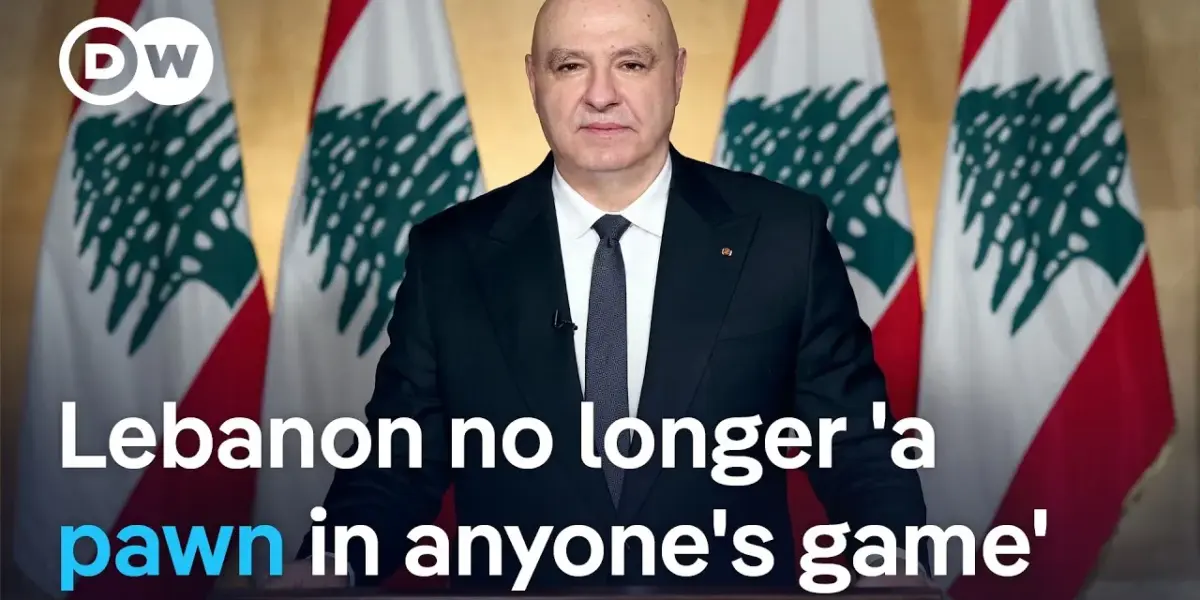
Ceasefire Takes Hold, But Doubts Linger
A fragile ceasefire between Lebanon and Israel has taken effect, bringing a temporary pause to the recent hostilities. The agreement follows weeks of conflict that saw significant military action and disrupted vital international trade routes, including the Strait of Hormuz.
While the immediate cessation of violence offers a welcome relief, analysts express deep skepticism about its long-term durability. The complex web of domestic Lebanese politics and external influences makes a lasting peace a distant prospect.
Iran’s announcement that the Strait of Hormuz is now open to commercial shipping came shortly after the ceasefire was established. This waterway is critical for the global trade of oil, gas, and fertilizers, having been blocked by Iran for nearly seven weeks.
The reopening, however, has been met with caution, as the United States has reminded the world that its own blockades remain in place. True confirmation of the strait’s accessibility will only come with the resumption of actual shipping traffic.
Hezbollah’s Role: A Key Player Outside the Negotiations
A significant factor in the ongoing situation is the role of Hezbollah. The militant group was not a direct participant in the ceasefire negotiations between the Lebanese government and Israel.
Despite this, Hezbollah has, for now, not actively obstructed the truce. This mirrors a pattern seen in past agreements, where the Lebanese government negotiated while Hezbollah, though critical, ultimately respected the terms.
Thanos Kanis, a senior fellow at the Century Foundation and an expert on Hezbollah, noted the historical context. “This is a bit similar to the process that led to a ceasefire in 2024,” he explained.
“The Lebanese government negotiated a ceasefire with Israel. Hezbollah criticized those negotiations, but then did honor them.” However, he cautioned that the current situation holds unique challenges, including the potential for ongoing Israeli attacks and the deep divisions within Lebanon itself.
Deep-Seated Divisions Fuel Future Conflict
The ceasefire agreement highlights fundamental, irreconcilable differences that threaten any hope for enduring stability. Kanis pointed to two major concerns: Israel’s past practice of continuing attacks even after ceasefires were announced and the significant power struggle within Lebanon between the state and Hezbollah. These issues, he argues, must be resolved before any genuine peace can be achieved.
“My view is that until we resolve those two things… Have Israel genuinely willing to have some kind of ceasefire where it doesn’t occupy land in Lebanon and cease attacks and also on the Lebanese side, an accommodation in which the state becomes strong enough to control Lebanon, which we’re nowhere close to, we simply can’t have an enduring ceasefire, much less some kind of genuine peace agreement,” Kanis stated. This internal conflict for control means the Lebanese state lacks the true authority to enforce agreements.
Lebanese Public: Relief Mixed with Uncertainty
News of the ceasefire was met with celebrations in Beirut, reflecting a deep desire for an end to the violence. People expressed relief at the prospect of returning to normal life and safety. However, this relief is tempered by a profound lack of hope for lasting peace, according to those familiar with the situation on the ground.
The Lebanese community is experiencing distressing divisions. While many celebrate the end of attacks, some have even applauded the military actions, hoping they will weaken internal rivals.
This has created a simmering conflict between pro-Hezbollah and anti-Hezbollah factions, bringing the country perilously close to further violence. The question of who to thank for this moment of calm is complex, with some crediting Israel, while others see it merely as a pause in a generational struggle.
Lebanon’s Sovereignty Questioned
The ability of the Lebanese state to enforce the ceasefire is severely limited, raising serious questions about its sovereignty. Kanis described the agreement as “magical thinking,” where the West expects the Lebanese state to disarm Hezbollah, a task it simply cannot accomplish due to a lack of power and resources.
Neither Israel nor the United States appears eager to strengthen the Lebanese armed forces to a point where they could disarm Hezbollah. This is because a stronger Lebanese military would also possess the power to defend Lebanon against Israel, a prospect that undermines Israel’s desire to maintain a military advantage in the region. This dynamic creates a frozen equilibrium, where Hezbollah retains the power to disrupt peace but not to fully control the state, leaving Lebanon trapped in a cycle of instability.
Military Pressure on Hezbollah Can Backfire
Attempts to weaken Hezbollah through military pressure can prove counterproductive. The group has a deeply committed base of support, fueled by religious ideology and a long history of resistance against Israel. While Hezbollah has engaged in overreach in the past, leading to setbacks, its core strength remains its ability to mobilize and resist on its own territory.
Even after facing severe military assaults, including the assassination of senior leadership, Hezbollah has demonstrated a remarkable capacity to rearm and wage effective resistance. This resilience stems from its integral role within Lebanese society. As Kanis explained, “Hezbollah is part of Lebanon.
It’s part of the fabric of Lebanese society. It’s never going to disappear.” Its supporters view it as a legitimate representative, ensuring its continued strength regardless of external pressures.
Looking Ahead: The Path to Enduring Stability
The current ceasefire represents a temporary pause rather than a definitive resolution. The underlying issues of Israeli military actions, internal Lebanese power struggles, and the unresolved status of Hezbollah’s armed wing continue to pose significant challenges to long-term peace. The international community’s role in strengthening the Lebanese state’s authority without upsetting regional military balances will be crucial.
The next few weeks will be critical in observing whether this ceasefire can hold and if any genuine dialogue can emerge to address the core issues. The focus will be on whether Israel refrains from further attacks and whether internal factions within Lebanon can find a path towards a more unified and stable governance structure. The world watches to see if this fragile truce can evolve into something more substantial.
Source: Why Lebanon's gov't is walking a thin line between domestic pressure and external threats | DW News (YouTube)

Related Articles
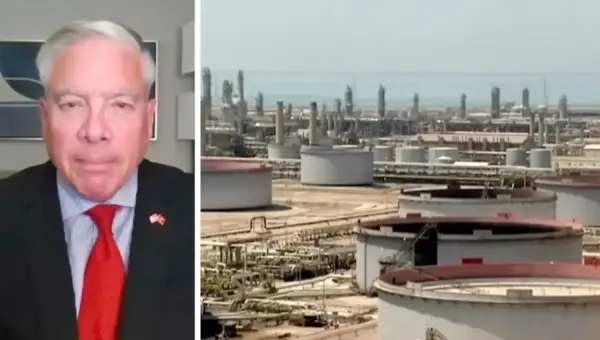
Iran’s Uranium Deal: A Risky Game of Trust
Iran has agreed to hand over enriched uranium, a move that could block its path to nuclear weapons. However, internal divisions in Iran and the complexities of removing radioactive material mean the deal is far from certain. Economic pressure and potential regional stability are also key factors.

Markets Surge as Iran Reopens Strait of Hormuz
Markets surged as Iran announced the reopening of the Strait of Hormuz, leading to a significant drop in oil prices. While President Trump hailed the move as a step towards peace, conflicting reports emerge regarding Iran's commitment to suspending its nuclear program. Shipping companies remain cautious about transiting the Strait, citing unresolved safety and insurance concerns.
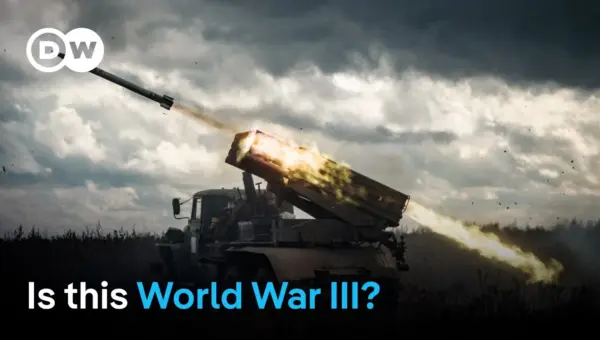
Experts Weigh In: Are Current Global Conflicts a World War?
International affairs experts largely agree that current global conflicts, including those in Ukraine and the Middle East, do not constitute a World War II. Instead, they liken the situation more to a Cold War scenario or a return to 19th-century great power politics. The analysis also highlights the importance of public opinion and democratic aspirations within nations.