Media Ignores Iran Win, Favors Fear Over Facts
Recent reports highlight media's tendency to downplay significant diplomatic wins, like Iran's uranium deal, while focusing on market impacts. This selective coverage, coupled with ongoing debates about surveillance laws like FISA and the rise of progressive politics, raises questions about how crucial information is presented and perceived by the public.

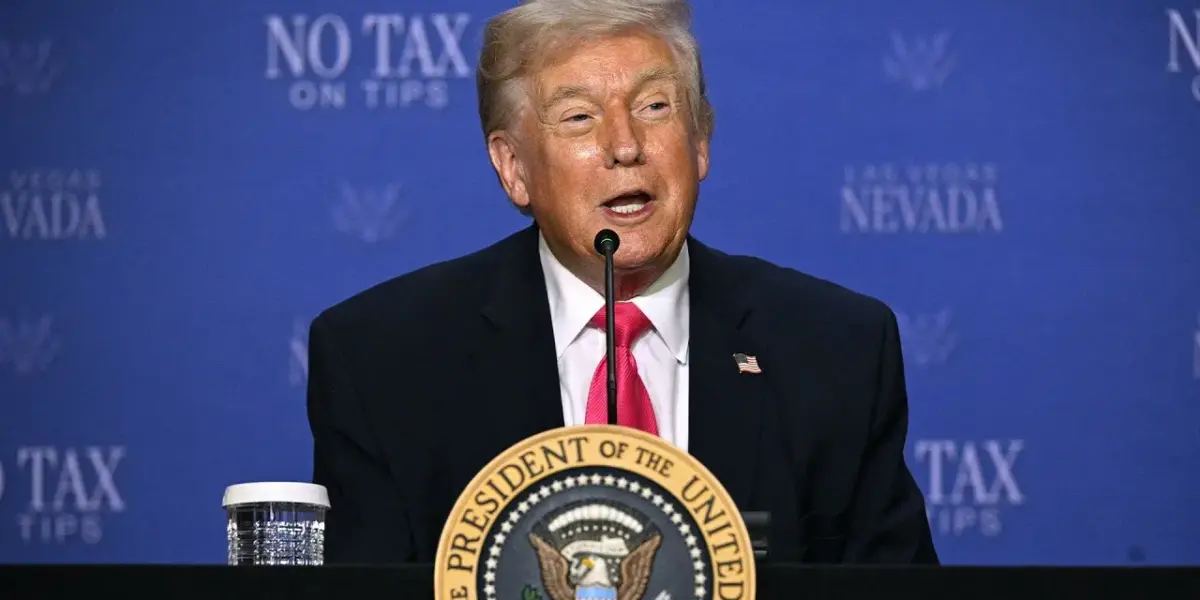
Media Ignores Iran Win, Favors Fear Over Facts
Major news broke recently: Iran agreed to hand over enriched uranium to the United States and promised to keep the Strait of Hormuz open. These are significant developments in a region that has dominated news cycles.
However, the discussion quickly shifted to the short-term effects on oil prices and markets. This suggests a media focus on immediate financial gains rather than recognizing a major diplomatic and strategic success for the U.S.
Some argue that the media has a tendency to look away when positive news happens under a particular administration. This viewpoint suggests that instead of outright lying, certain outlets simply don’t give credit where it’s due. This selective coverage can lead to a skewed public perception, especially when the focus remains on potential negative outcomes or the general belief that war is a failure.
From this perspective, the liberal media’s focus on the war effort in general comes from a deeply held belief that war is the greatest failure of humankind. If the goal is to prevent war entirely, then any president needs a very strong reason to engage in conflict.
While some might look at stock market gains, the American people are often worried about their own families. They fear their children being sent into a war, especially if it was promised that such a conflict would be avoided.
This leads to a legitimate focus on the humanitarian aspect and the human cost of any military action. It is important to look at the human side of things and consider the promises made at the beginning of any engagement. Therefore, the argument is not that the media is untruthful, but that their focus is different and comes from a place of genuine concern about the consequences of war.
Disingenuous Coverage?
Others strongly disagree with the idea that the media’s coverage is simply a matter of different focus. From this viewpoint, the current reporting on the war in Iran is disingenuous. For decades, many news outlets have spoken out against Iran’s threats, such as “Death to America,” and its pursuit of nuclear weapons.
Yet, when the U.S. successfully put Iran in check, stopped its nuclear program, and kept the Strait of Hormuz open, it was hailed as a massive win. Crucially, this was achieved without the U.S. entering into a full-scale war.
This perspective sees the situation not as a failed mission, but as one that was executed perfectly by the military. However, some reports claim that the execution was not perfect.
These reports suggest that unintended targets were hit, raising questions about the accuracy and oversight of military actions. Specifically, concerns were raised about AI being used to identify missile targets without adequate human review.
When the CEO of the company in charge of the AI warned that human evaluation of each target was necessary, and this advice was reportedly refused, it led to a situation where a missile was sent to a girls’ school. This raises serious questions about transparency and the actual success of military operations. It suggests that the public might not be getting the full, truthful story about what is happening on the ground.
FISA and Privacy Concerns
Shifting focus, Congress recently passed a two-week extension for FISA authorization, which allows for digital surveillance abroad. This law raises significant privacy concerns for Americans, particularly regarding warrant requirements. While the President has urged a long-term extension, acknowledging past FISA abuse, he also recognizes its importance for national security.
The debate centers on whether FISA is a useful tool for intelligence agencies to gather information on foreigners, or if it lacks sufficient safeguards to protect Americans. Communications of U.S. persons can inadvertently be collected during this surveillance. Supporters of reform point to drastic reductions in searches of U.S. persons’ data, from millions in 2021 to thousands recently, as evidence of improvements.
However, critics remain skeptical. They argue that the government cannot be fully trusted to implement safeguards as promised.
There are concerns that data gathered from various government agencies and even public cameras is being used to create surveillance databases on Americans under the guise of national security. This broad interpretation of national security is seen as a threat to fundamental privacy rights.
Both Democrats and Republicans express concerns about the trustworthiness of the government in handling such sensitive data. While acknowledging the need for surveillance in certain situations, there is a strong call for a complete overhaul of FISA. The fear is that widespread surveillance puts everyone’s safety and security at risk, especially with the increasing capabilities of technologies like 5G and AI.
The Rise of Progressive Politics
In New Jersey, a progressive representative was elected to Congress in a special election. Her platform included policies like Medicare for All, a $25 minimum wage, a wealth tax, and abolishing ICE. This victory has led some to draw parallels with other progressive figures, suggesting a potential trend within the Democratic party.
This trend, however, might be more complex than it appears. While progressive ideals are gaining traction, their success often depends on the authenticity of the messenger.
A candidate whose personal history and lifelong beliefs align with their platform is more likely to resonate with voters. Messages about affordability, for instance, are most effective when delivered by someone who genuinely understands and has lived those financial struggles.
The election results suggest that when a candidate delivers a message that is deeply felt and authentic, it can connect with voters who are experiencing real-world problems. Affordability and concerns about rights are significant issues for many Americans. Therefore, a genuine message delivered in a way that resonates can be a powerful force in politics.
For Republicans looking ahead to the midterms, effective messaging is key. The focus should not be on whether people want universal healthcare, but rather on who will pay for it.
Grandstanding with ambitious promises without clear financial plans can alienate voters. Instead, the focus should be on practical solutions that put more money in people’s pockets and address daily concerns like the cost of groceries and affording a home.
Ultimately, while ambitious policies might sound appealing, voters are motivated by realistic changes and clear answers to their immediate financial worries. The path forward for any political party involves connecting with voters on issues that directly impact their lives and offering credible solutions.
Source: Media Turned The Camera Away When Trump Did Something Good; War in Iran Coverage is Disengenious (YouTube)

Related Articles

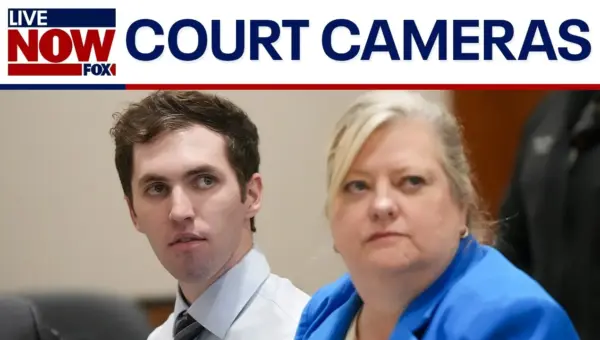
Court Cameras Spark Fair Trial Debate in Robinson Case
The defense for Tyler Robinson, accused in a high-profile killing, argued in court that courtroom cameras violate his right to a fair trial. They contend that extensive media coverage has already created public bias, potentially influencing a jury. A social psychologist testified on how public statements and media can shape perceptions, adding weight to the defense's concerns about jury impartiality.
Trump’s Iran Deal Hypocrisy Fuels Political Firestorm
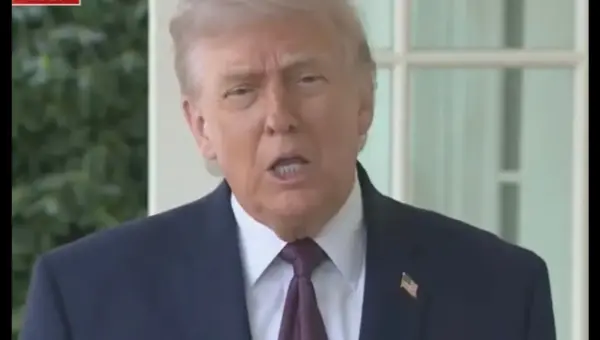
Reports suggest a potential $20 billion asset release to Iran, drawing accusations of hypocrisy against Donald Trump due to his past strong criticisms of similar deals. This controversy highlights ongoing debates about his negotiating tactics and foreign policy consistency. The situation also brings attention to broader themes of political accountability and the scrutiny of business dealings by political figures and their families.
Trump’s Iran Deal Reversal Sparks Global Concern
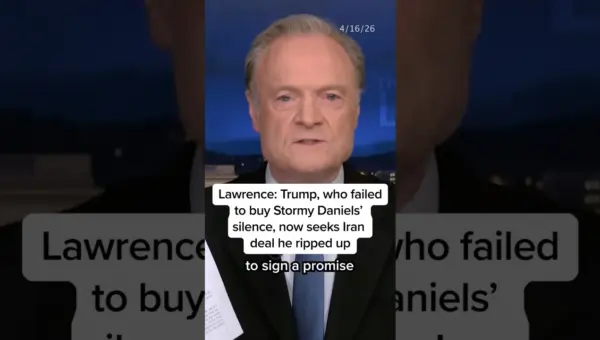
A recent papal warning against manipulating religion for personal gain has led many to interpret it as a critique of Donald Trump. This commentary draws parallels between Trump's past attempts to control narratives, like the Stormy Daniels case, and his current, seemingly reversed stance on the Iran nuclear deal he once ripped up.