Iran’s Uranium Deal: A Risky Game of Trust
Iran has agreed to hand over enriched uranium, a move that could block its path to nuclear weapons. However, internal divisions in Iran and the complexities of removing radioactive material mean the deal is far from certain. Economic pressure and potential regional stability are also key factors.

Iran’s Uranium Deal: A Risky Game of Trust
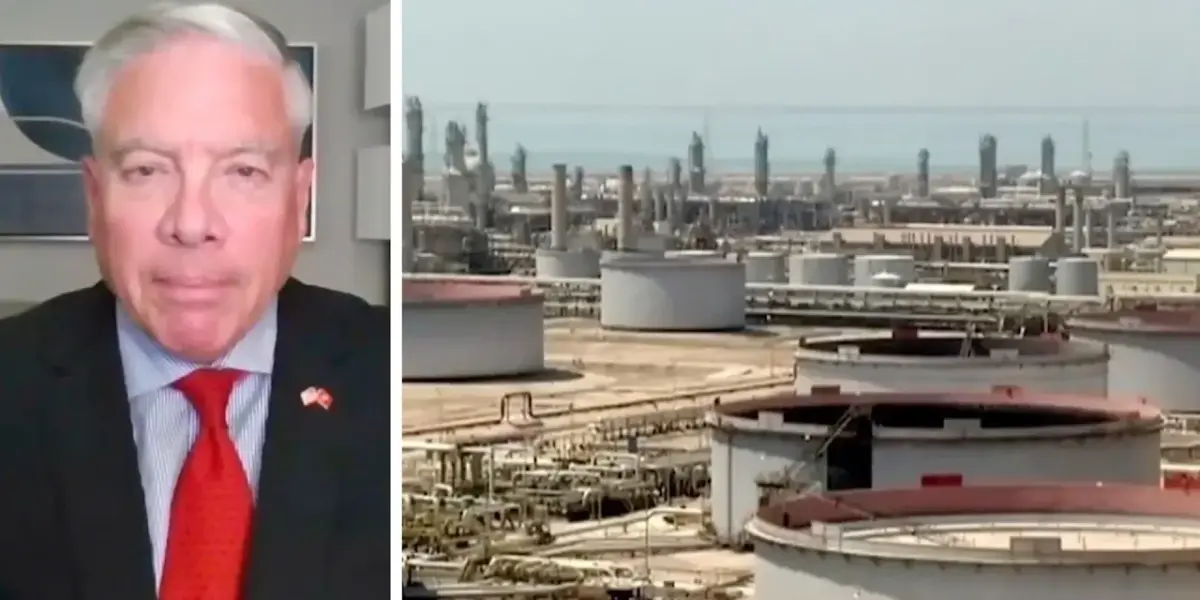
Iran has reportedly agreed to hand over its enriched uranium to the United States. This development comes after significant damage to Iran’s military infrastructure, making it harder for them to quickly resume nuclear weapon development. The agreement, if fully realized, could be a major step in preventing Iran from obtaining a nuclear weapon.
However, the situation is complicated. Iran has a history of enriching uranium to 20% and even 60%, which can be further processed to the 90% needed for a weapon.
The current deal focuses on retrieving what is called “uranium dust,” a term referring to radioactive material possibly buried underground. This material is a byproduct of past enrichment activities.
Iran’s government appears divided on the issue. Reports indicate a back-and-forth between more moderate and hardline factions regarding the uranium agreement.
One moment, there’s talk of a deal; the next, officials state there’s no clear agreement on how to proceed with transferring the material. This suggests much more negotiation and consensus-building are needed before the uranium can be removed.
The process of extracting this radioactive material is expected to be lengthy and complex. Experts suggest it could take months, or even longer, not weeks.
It would require a significant presence at specific sites within Iran where the material is stored. This involves handling dangerous radioactivity, necessitating extensive protective gear and safety protocols for workers.
Economic Pressure as a Key Factor
A major reason for Iran’s apparent willingness to negotiate is severe economic pressure. Experts believe Iran is weeks away from economic collapse, with massive inflation and a rapidly devaluing currency. Their inability to export oil, their main source of income, combined with blocked imports of essential goods, is crippling the economy.
This economic strain is seen as a direct driver for the protests seen in Iran. The government recognizes that continued economic decline will lead to even greater public frustration. The current blockade, enforced by the U.S. Navy, is effectively forcing Iran into making concessions it would otherwise avoid.
Strait of Hormuz: A Strategic Waterway
The agreement also includes Iran’s promise not to obstruct shipping in the Strait of Hormuz. This vital waterway is crucial for global oil transport. While Iran says ships can pass freely, its actual intent is less important than the ability of international forces to keep it open.
European and other countries are considering establishing a defensive presence to ensure the strait remains accessible. The true measure of safety for shipping will be determined by insurance companies like Lloyd’s of London. If they deem the risk acceptable and lower insurance costs, more ships will likely transit the strait.
A Vision for a Different Iran
Beyond nuclear concerns, the U.S. has offered Iran a path to economic prosperity. The proposition is clear: commit to not having a nuclear weapon, and Iran can thrive. This includes reintegrating into the global economy, a prospect not seen in decades.
Such a future likely depends on significant changes within Iran itself. If the current theocratic regime were to be replaced by a pro-Western government, many countries, including the U.S., Europe, and Asia, would likely help Iran recover. This could mean lifting sanctions and allowing Iran to reclaim its pre-1979 status as a major global player.
Unlocking the entrepreneurial spirit of the Iranian people, who are described as sophisticated and capable, could lead to a prosperous nation. However, this potential is currently suppressed by the existing regime. A change in leadership could unleash this suppressed capability, allowing Iran to become a significant force on the world stage.
Broader Regional Stability
The situation in Iran has ripple effects across the region. There are also hopeful developments concerning Lebanon and Israel. President Trump has suggested a potential deal and meeting between Lebanon and Israel, something not seen in 44 years.
The weakening of the Iranian regime could also impact groups it supports, like Hezbollah. While the U.S. and Israel do not officially link the Lebanese ceasefire to an Iranian ceasefire, Iran has previously used the Lebanese situation to justify its actions, like closing the Strait of Hormuz. This suggests a connection in their minds.
Interestingly, both the Lebanese government and Israel share a common goal: to disarm Hezbollah and end its threat to the region. This alignment is a significant shift. However, disputes remain, such as Israel’s presence in Lebanese territory and Hezbollah’s demands for withdrawal, creating potential points of failure for the ceasefire.
The Lebanese government’s military power is limited, and it has struggled to control Hezbollah. A partnership with Israel could potentially shift this dynamic. The success of these diplomatic efforts will be crucial for regional peace.
Why This Matters
This complex web of negotiations, economic pressures, and regional dynamics highlights the delicate balance of international relations. Iran’s potential nuclear capabilities have long been a global concern. The current agreement, while offering a path to de-escalation, is fraught with uncertainty due to Iran’s internal divisions and past actions.
The role of economic sanctions in forcing concessions is a significant trend. It demonstrates how financial pressure can be a powerful tool in diplomacy, potentially avoiding military conflict. However, it also raises questions about the long-term impact on civilian populations.
The future outlook for Iran hinges on its internal political stability and its willingness to engage constructively with the international community. A shift towards a more open and pro-Western government could unlock immense potential for Iran and its people, benefiting the entire region.
Historically, Iran’s relationship with Western powers has been fraught with tension, particularly after the 1979 revolution. The current situation presents a potential turning point, offering a chance to rebuild trust and cooperation, but it requires sustained effort and genuine commitment from all sides.
The coming weeks and months will be critical. All eyes will be on the progress of the uranium removal, the stability of the Strait of Hormuz, and the potential for a lasting ceasefire between Lebanon and Israel. The next steps will determine whether this period marks a genuine move towards peace and prosperity or another chapter in a long-standing geopolitical struggle.
Source: Iran Going Back And Forth, Depiction of Its Gov't; More Steps Needed to Remove Uranium: Kempfer (YouTube)

Related Articles
US Blockade Tightens Grip on Iran’s Ports
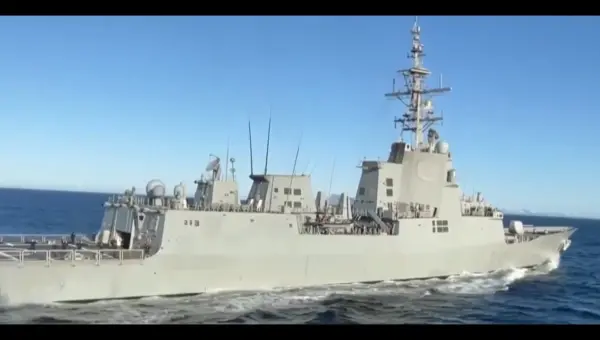
The US military is maintaining a naval blockade on Iranian ports, even as Iran lifts its own blockade in the Strait of Hormuz. This operation restricts ships heading to or from Iranian ports, impacting the country's trade. Meanwhile, increased traffic is seen in the Strait of Hormuz following a US-brokered ceasefire between Israel and Lebanon.
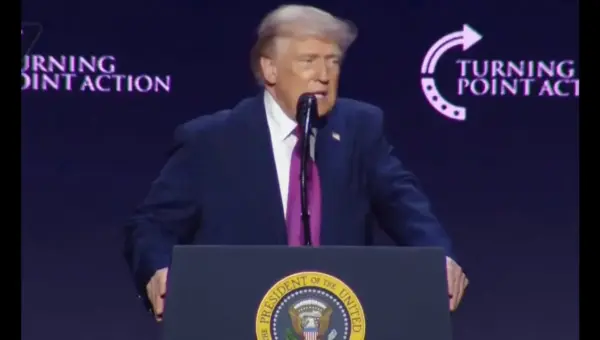
Trump Claims Strait Open, But Was It Ever Closed?
Donald Trump declared the Strait of Hormuz open, but critics question the actual gains given the conflict's cost. Reports from Iran contradict key claims, suggesting the strait may not have been fully closed. This situation raises concerns about accountability and the true impact of foreign policy decisions.


Trump’s War Blunder Rocks Pentagon, Iran Strait Reopens
The Strait of Hormuz has reopened, offering a glimmer of hope for global economic stability, yet conflicting statements from the Trump administration sow confusion. Meanwhile, everyday Americans continue to grapple with the economic fallout of the war, including soaring gas prices and rising inflation, creating a stark divide between Wall Street's gains and Main Street's struggles.