Experts Weigh In: Are Current Global Conflicts a World War?
International affairs experts largely agree that current global conflicts, including those in Ukraine and the Middle East, do not constitute a World War II. Instead, they liken the situation more to a Cold War scenario or a return to 19th-century great power politics. The analysis also highlights the importance of public opinion and democratic aspirations within nations.

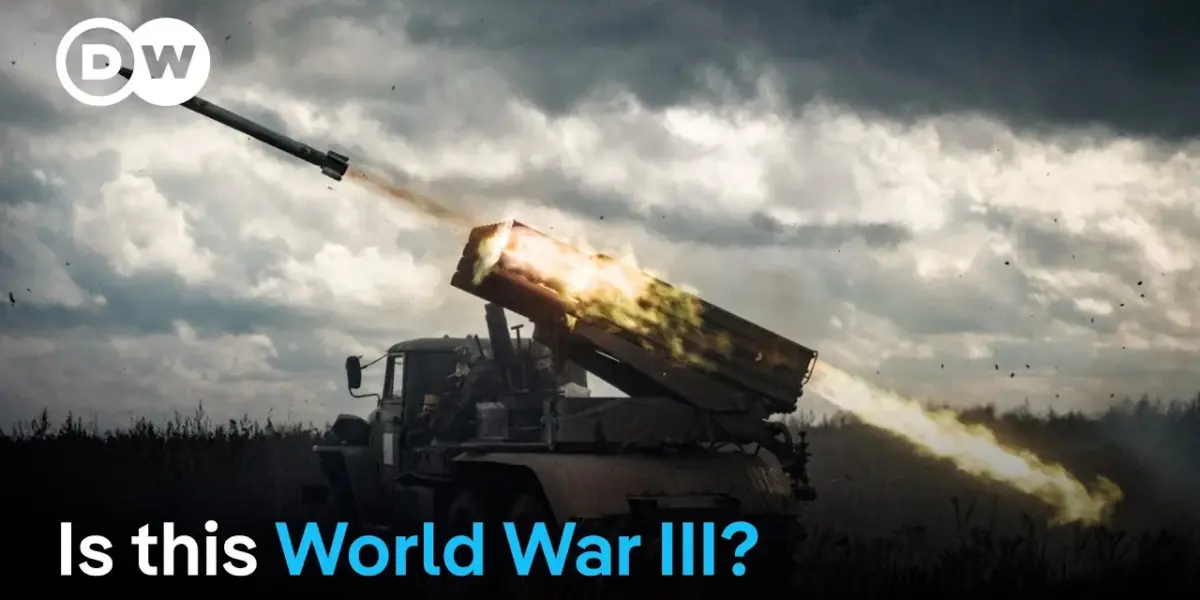
Global Tensions Rise: Experts Debate World War Scenario
The world is currently experiencing a complex web of international conflicts, leading many to question if these events signal a new world war. From the ongoing war in Ukraine to the conflict in the Middle East and rising cyber warfare, the global stage feels increasingly unstable. This has prompted discussions about whether current events mirror past global conflicts, prompting analysis from international affairs experts.
Expert Views: No, Not World War II
Despite the widespread feeling of unease, international affairs experts largely agree that the current global situation does not constitute a World War II. Corey Shaki, a senior fellow at the American Enterprise Institute, explains that a world war requires the United States to form broad global coalitions and integrated strategies, which she believes is not currently happening. She also noted that the nature of U.S. military engagement under the Trump administration was often focused on quick, decisive actions, lacking the sustained grit needed for a global conflict.
David Arostto, a space industry analyst and former international journalist, also stated that the current events do not fit the definition of a world war. He clarified that world wars typically involve direct combat between major powers, large-scale military engagement, and full economic and social mobilization. Instead, Arostto suggests that the current climate is more akin to the Cold War, which saw numerous proxy conflicts and global tensions without direct superpower confrontation.
Cold War Parallels and Great Power Competition
Ken Moryasu, a senior fellow at the Hudson Institute, believes the world is not in a third world war but emphasizes the importance of understanding the current dynamics to prevent one. He points to a growing alliance between Russia, China, and Iran in the Eurasian heartland, which he sees as an effort to challenge U.S. influence. Moryasu views weakening Iran as strategically beneficial for Japan, as it challenges the narrative promoted by China that the East is rising and the West is in decline.
Yasmi Muyanovich, a political scientist specializing in European affairs, agrees with the Cold War comparison. He sees the current alignments as a continuation of Cold War tensions rather than a repeat of World War II.
Muyanovich also suggests that the situation could be viewed as a return to 19th-century great power politics, where nations like Russia seek to reassert influence in their historical spheres. He highlights the dynamic of leaders in Moscow and Beijing signaling spheres of influence and domination over neighboring states.
The Role of Public Opinion and Democratic Aspirations
Muyanovich adds a crucial layer to the analysis by focusing on the alignment of global publics. He argues that the true measure of the future lies not just in how great powers align, but in the desires and aspirations of individual citizens worldwide. He uses Hungary as an example, where he sees a clash between the public’s democratic wishes and the government’s illiberal policies.
This internal public sentiment, Muyanovich believes, is the ultimate reserve for hope in a return to global liberal democratic norms. He stresses that this capacity rests with citizens themselves, independent of their leaders’ actions. Therefore, even amidst great power competition and conflict, the internal democratic spirit of publics remains a critical factor for the future.
Conclusion: A Complex Global Landscape
While the experts unanimously reject the notion of a current World War II, they acknowledge the high-risk geopolitical environment. The conflicts in Ukraine, the Middle East, and the rise of cyber warfare create a sense of global instability. However, the prevailing view among analysts is that the situation more closely resembles a prolonged Cold War or a resurgence of 19th-century power dynamics.
The focus remains on understanding these complex alliances and tensions, with a particular emphasis on the internal dynamics within nations and the aspirations of their citizens. The question of whether these conflicts will escalate further or lead to a new global confrontation remains a key concern for international observers.
Source: From Ukraine to the Middle East: Are we living through a world war? | DW News (YouTube)

Related Articles
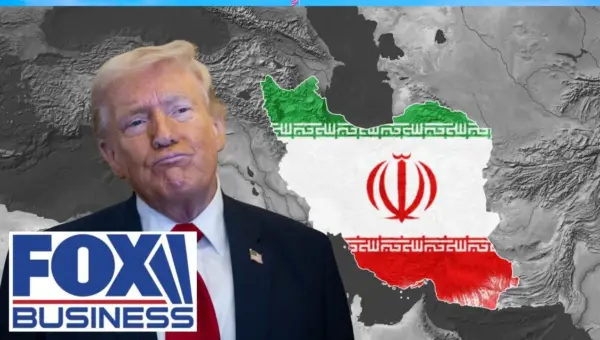
Iran Opens Straits, Signaling Major Geopolitical Shift
Iran has announced its straits are now open to commercial operations, a move seen as a significant geopolitical victory. This decision, resulting from sustained diplomatic efforts, signals a potential easing of regional tensions and a shift toward global economic stability. The administration's approach aims to disrupt hostile actors and ensure energy availability worldwide.


Trump Hands Iran Strait Control, Reports Show
Reports indicate Donald Trump has granted Iran full control over the Strait of Hormuz, sparking concerns about global trade and regional stability. This follows a fragile ceasefire and questions surrounding proposed financial deals with Iran. Investigations into potential conflicts of interest and law enforcement conduct are also underway.
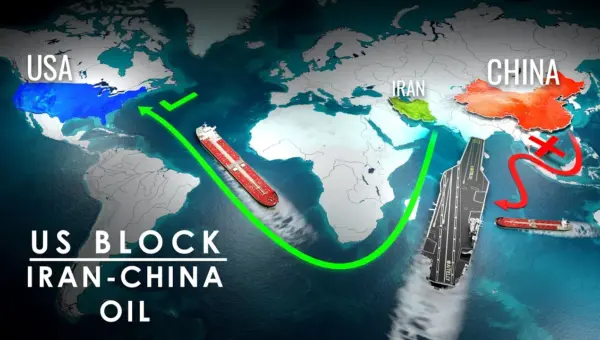
AI Tracks Oil Tankers, Aiding US Strategy Against China
The US is employing advanced AI to track oil tankers, aiming to counter China's reliance on foreign oil. This strategy uses AI to monitor ships, identify sanctioned cargo, and influence global energy markets by disrupting supply chains. The goal is to assert energy dominance and shape international economic outcomes.