Markets Surge as Iran Reopens Strait of Hormuz
Markets surged as Iran announced the reopening of the Strait of Hormuz, leading to a significant drop in oil prices. While President Trump hailed the move as a step towards peace, conflicting reports emerge regarding Iran's commitment to suspending its nuclear program. Shipping companies remain cautious about transiting the Strait, citing unresolved safety and insurance concerns.


Markets Rally on Iran’s Announcement
Wall Street closed with significant gains Tuesday, driven by Iran’s declaration that the Strait of Hormuz is now open to all commercial vessels. This announcement follows a new ceasefire deal between Israel and Lebanon, leading to a more than 10% drop in oil prices compared to the previous day. The hopeful sign suggests the energy crisis caused by the conflict may be nearing an end.
President Trump celebrated the news on social media. However, he stressed that the U.S. naval blockade of Iran’s ports will continue until a final peace deal is reached.
A senior Iranian official told state TV that naval vessels remain prohibited from passing through the Strait of Hormuz. They insisted that only nonmilitary vessels could use routes designated by Iran.
Mixed Signals on Peace Deal Progress
Even before the latest announcement, President Trump had expressed optimism about the war ending soon. He referred to rising oil and gas prices as “fake inflation.” “The war in Iran is going along swimmingly,” Trump stated. “We can do whatever we want, and it should be ending pretty soon.
It was perfect. We had to do a little journey down to Iran, and I didn’t want to do that, but we had to because we can’t let them have a nuclear weapon.”
The ceasefire agreement between the U.S. and Iran is set to expire in just four days. Major questions remain about whether a final deal can be reached, especially concerning Iran’s enriched uranium stockpile. According to Axios, citing officials briefed on the talks, one idea being considered is releasing $20 billion in frozen Iranian assets in exchange for Iran giving up its stockpile.
President Trump dismissed this idea in a call with Bloomberg. He claimed Iran has agreed to indefinitely suspend its nuclear program and will not receive any frozen funds from the U.S. The President also stated that the main points of a deal to end the war are finalized. However, Iran has not commented on any potential final deal and has not publicly committed to suspending its nuclear program.
Ceasefire Holds Amidst Reconstruction
The fragile ceasefire between Israel and Lebanon appears to be holding for now. Displaced residents in Lebanon have begun returning to their homes. Many are finding their towns and villages reduced to rubble following the conflict.
Market Reaction and Consumer Impact
Brian Cheung, NBC News Business and Data Correspondent, reported on the market’s positive reaction. “Markets surged after Iran declared the Strait of Hormuz is now open to all commercial vessels,” Cheung said.
The S&P 500 and NASDAQ reached new record highs. This marks a significant turnaround, as the stock market was down about 7-8% year-to-date just a few weeks ago.
Cheung also addressed the impact on consumers. “The question all boils down to will I be paying less at the pump as a result of this?” he asked.
The current national average gas price is $4.08, down from a high of $4.17 eight days ago. Projections suggest prices could fall to as low as $3.35 per gallon nationally by Labor Day.
However, the drop in gas prices may not be immediate. Cheung explained, “It’s just slower for these oil producers to readjust that pricing.” structural damage to energy facilities in the region will take time to repair, delaying a full return to normal prices.
Lingering Concerns Over Strait Safety
Despite the positive headlines, major shipping companies are expressing caution. Hapag-Lloyd, a large shipping company, stated that they would prefer to pass the Strait as soon as possible, but only if “all open issues are cleared, like insurance coverage, like clear orders of Iranian government, military about the exact corridor to be used.” This suggests that ships are not yet freely transiting the Strait at pre-war volumes.
Before the conflict, 110-120 ships passed through the Strait daily. During the war, this number dropped to only 5-10 per day. The return to normal transit levels is expected to take considerable time.
White House Perspective on Negotiations
Monica Alba, NBC News White House Correspondent, reported on the White House’s view. “The U.S. is at least pleased that that is one of the points that Iran is talking about publicly,” Alba said regarding the Strait of Hormuz being open.
However, she noted a key disagreement: “Iran is coming out and saying, wait a second. That’s actually not what we have agreed to.”
Alba highlighted the conflicting public statements about Iran’s nuclear program. President Trump claims Iran has agreed to indefinitely suspend its nuclear program and give up its enriched uranium. Iran, however, has not publicly confirmed these agreements and insists that transferring its nuclear material is not on the table.
Outlook on Future Talks and Conflict Resolution
Richard Engel, NBC News Chief Foreign Affairs Correspondent, provided context from Tel Aviv. He confirmed that the ceasefire between Israel and Hezbollah is holding, with no fighting reported today. Displaced Lebanese civilians are returning to their homes, many finding devastation.
Engel noted President Trump’s strong claims that Iran has agreed to all U.S. terms regarding its nuclear program. He also mentioned a significant claim: that Iran is working with the U.S. to clear mines from the Strait of Hormuz.
“And if that’s true, it strongly suggests that this conflict could be coming to a rapid close,” Engel stated. However, he cautioned that Iran has not fully confirmed these details, and negotiations remain complex.
The resumption of in-person talks, potentially through Pakistani intermediaries this weekend, is still uncertain. The core issues, including Iran’s nuclear material and the exact terms of any suspension, remain points of contention. The coming days will be crucial in determining if a lasting peace deal can be finalized.
Source: Meet the Press NOW — April 17 (YouTube)

Related Articles
Iran’s Uranium Deal: A Risky Game of Trust
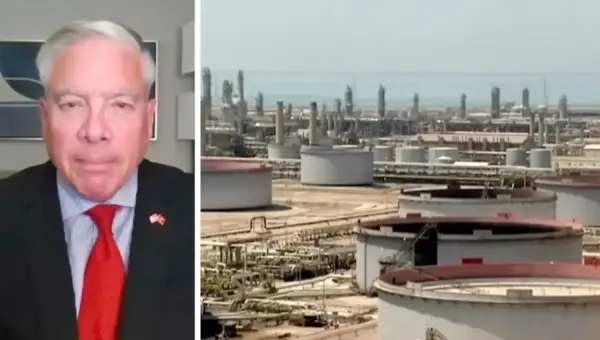
Iran has agreed to hand over enriched uranium, a move that could block its path to nuclear weapons. However, internal divisions in Iran and the complexities of removing radioactive material mean the deal is far from certain. Economic pressure and potential regional stability are also key factors.
US Blockade Tightens Grip on Iran’s Ports
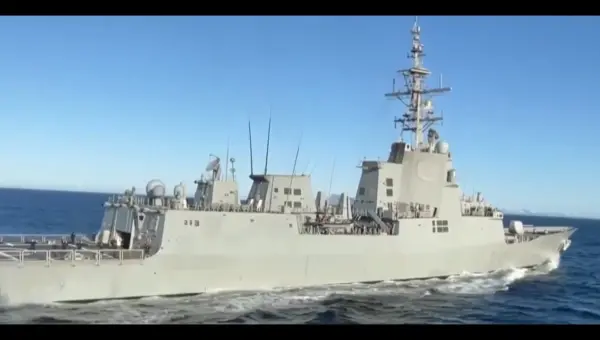
The US military is maintaining a naval blockade on Iranian ports, even as Iran lifts its own blockade in the Strait of Hormuz. This operation restricts ships heading to or from Iranian ports, impacting the country's trade. Meanwhile, increased traffic is seen in the Strait of Hormuz following a US-brokered ceasefire between Israel and Lebanon.
Trump Claims Strait Open, But Was It Ever Closed?
Donald Trump declared the Strait of Hormuz open, but critics question the actual gains given the conflict's cost. Reports from Iran contradict key claims, suggesting the strait may not have been fully closed. This situation raises concerns about accountability and the true impact of foreign policy decisions.