Hungary’s Election Shift Unlocks EU Aid for Ukraine
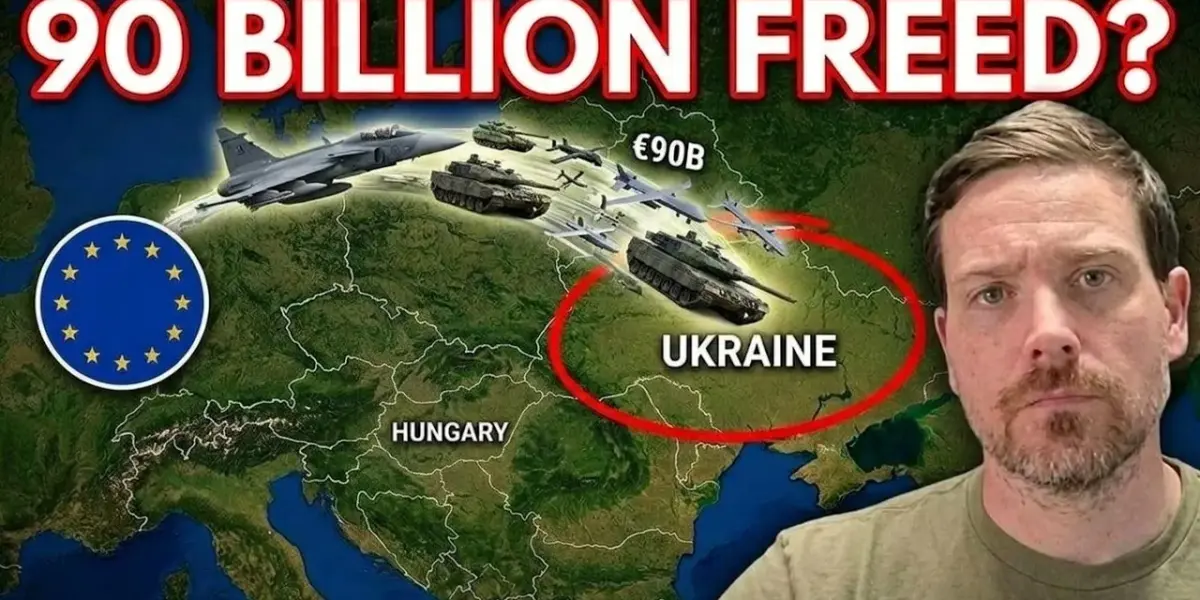
Hungary's recent election has removed a key obstacle, allowing the EU to release a crucial 90 billion euro loan to Ukraine. This shift is expected to accelerate aid and potentially speed up Ukraine's EU membership process, while also strengthening European security.

Hungary’s Election Shift Unlocks EU Aid for Ukraine
A recent election in Hungary has dramatically changed the landscape for European Union policy, especially concerning aid to Ukraine. With Victor Orban no longer holding sway, the EU is poised to move forward on crucial financial support that was previously blocked. This shift is expected to unlock a significant 90 billion euro loan for Ukraine, a move that could greatly aid the country’s defense efforts.
Marta, the EU Commissioner for Enlargement, recently discussed the implications of this election. She emphasized that the outcome was a victory for democracy, not just a shift between political parties.
This democratic win is seen as crucial for enabling the EU to fulfill its promises to Ukraine. The removal of Hungary’s previous objections means that processes previously stalled can now move forward.
The 90 Billion Euro Loan for Ukraine
The 90 billion euro loan for Ukraine has been a major point of contention, with Hungary previously blocking its release. Commissioner Marta stated that with the new political climate in Hungary, this obstacle has been removed. The decision to provide this loan was made at the highest level by EU leaders, meaning the operational processes can now begin.
Disbursement of the first part of the loan is expected as early as mid-June, a remarkably fast turnaround. This swift action highlights the EU’s renewed commitment to supporting Ukraine. The loan is part of a larger effort to provide substantial financial assistance to the war-torn nation.
Ukraine’s EU Membership Process
The path to Ukraine joining the European Union is a complex one, especially given the ongoing war. Commissioner Marta noted that this is the first time the EU has negotiated membership with a country actively at war. This situation presents unique challenges, as Ukraine must align its entire legal system with EU standards, a task made incredibly difficult under constant attack.
Ukraine is undertaking significant reforms in areas like economy, healthcare, food security, banking, and anti-corruption, all while facing Russian aggression. The commissioner praised Ukraine’s extraordinary efforts during wartime. She compared the process to Sweden’s accession, which took three years even under peaceful and stable conditions.
Democracy, Security, and EU Solidarity
Commissioner Marta stressed that the EU’s decision-making process often requires unanimity among its 27 member states. This system, while designed to consider all interests, can lead to delays when one country objects. The situation in Hungary demonstrated how a single member could halt progress for the entire bloc.
Beyond financial aid, the EU sees Ukraine’s potential membership as vital for European security. The commissioner referenced the situation in the Baltic states, suggesting that their membership in the EU has deterred further Russian aggression. Helping Ukraine is thus seen as a way to strengthen Europe’s own defenses and security capabilities.
“When we speak about helping Ukraine today is also helping ourselves to do more for our security,” the Commissioner stated, highlighting the interconnectedness of regional stability.
Why This Matters
The recent election in Hungary marks a significant turning point for the European Union’s ability to act decisively, particularly in supporting Ukraine. The removal of a key veto allows for the swift release of much-needed financial aid, which is critical for Ukraine’s ongoing defense and eventual recovery. This also signals a potential acceleration in Ukraine’s EU accession process, offering a beacon of hope and a clear path toward integration.
The situation highlights the importance of unified action within the EU. When member states can agree, the bloc can deploy resources and influence effectively.
It also reinforces the idea that supporting Ukraine is not just an act of solidarity but a strategic investment in European security and stability. The resilience and reforms undertaken by Ukraine, even amidst war, are seen as extraordinary and proof of their commitment to joining the European community.
Implications and Future Outlook
The shift in Hungary’s stance is expected to have ripple effects across the EU. It could encourage other member states to accelerate aid packages and deepen cooperation with Ukraine.
The EU’s approach to Ukraine’s membership is evolving, with a focus on integrating Ukraine into specific EU markets and systems even before full accession. This pragmatic approach acknowledges the unique circumstances and the urgent need for support.
Ukraine’s own advancements in areas like military innovation and economic resilience are noteworthy. Despite the war, its banking system and economy are functioning, and its military has shown remarkable innovation, even advising other nations on drone defense.
This capacity building is crucial for its future role within the EU and on the global stage. The EU’s commitment to helping Ukraine rebuild, with the support of international financial institutions and private investors, points toward a future focused on recovery and integration.
Historical Context
The European Union, formed after World War II, has always prioritized peace and economic cooperation among its members. Its expansion eastward has been a long-standing goal, aiming to integrate former Soviet bloc countries into its democratic and economic framework. Ukraine’s pursuit of EU membership is part of this broader historical trend of post-Cold War European integration.
However, the process has often been slow and complex, requiring extensive reforms and consensus among existing members. The current war has added a new layer of urgency and complexity.
The EU’s decision-making structure, based on unanimity, has historically been a point of friction, as seen with Hungary’s previous obstruction. The current developments suggest a potential adaptation of these processes to meet new geopolitical realities.
The EU’s cohesion funds, which provide financial assistance to less developed member states, illustrate the principle of solidarity at the heart of the Union. Slovenia, for example, still benefits from these funds years after joining, demonstrating the EU’s long-term commitment to supporting member development. This model of mutual support is central to the EU’s identity and its approach to candidate countries like Ukraine.
The commissioner’s visit to the US for IMF and World Bank spring sessions highlights the international dimension of supporting Ukraine. Collaboration with global financial institutions is deemed essential for Ukraine’s reconstruction. The EU sees potential benefits for US companies in investing in Ukraine’s rebuilding efforts, suggesting a shared interest in the country’s future prosperity.
The conversation concluded with a shared optimism about Ukraine’s future within the Western sphere. The commissioner and the interviewer agreed that Ukraine’s commitment to democratic values and its innovative spirit make it a valuable potential member. The prospect of future collaboration, perhaps even a joint trip to Ukraine, highlights the ongoing engagement and commitment to the country’s integration and recovery.
The next concrete step mentioned is the potential disbursement of the first part of the 90 billion euro loan by mid-June, signaling immediate action following the Hungarian election results.
Source: Europe Just Changed Overnight (YouTube)

Related Articles


Markets Brace for Uncertainty Amid Geopolitical Tensions, AI Boom
Geopolitical tensions surrounding Iran are creating market uncertainty, but a booming artificial intelligence sector and a stable labor market are providing significant economic support. Investors are watching closely as AI investment continues to drive growth and buffer against potential downturns.

Dem Lawmaker Slams Trump’s Iran Claims as ‘Otherworldly BS’
Rep. Adam Smith, top Democrat on the House Armed Services Committee, disputes President Trump's claims of Iran agreeing to concessions on its nuclear program and more. Smith stated there is 'no truth whatsoever' to the President's assertions, noting that the Strait of Hormuz is not truly open and Iran has not halted support for terrorism. He called Trump's ability to convince people of his claims 'otherworldly BS'.
Markets Surge Amid Iran Tensions, Widening Wealth Gap
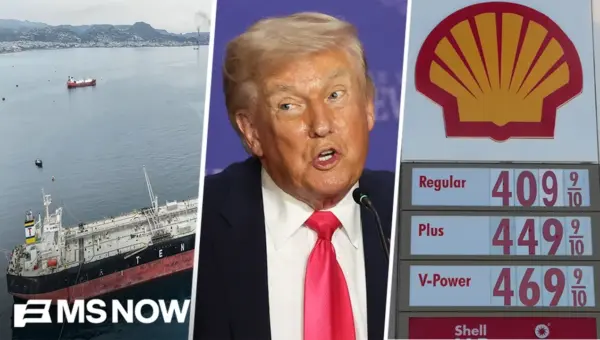
Stock markets are soaring to new heights despite global tensions and low consumer confidence, creating a widening gap between Wall Street and Main Street. Experts warn that the slow-moving effects of shipping disruptions could lead to long-term economic consequences for households worldwide, even as geopolitical strategies appear to falter.