AI Tracks Oil Tankers, Aiding US Strategy Against China
The US is employing advanced AI to track oil tankers, aiming to counter China's reliance on foreign oil. This strategy uses AI to monitor ships, identify sanctioned cargo, and influence global energy markets by disrupting supply chains. The goal is to assert energy dominance and shape international economic outcomes.

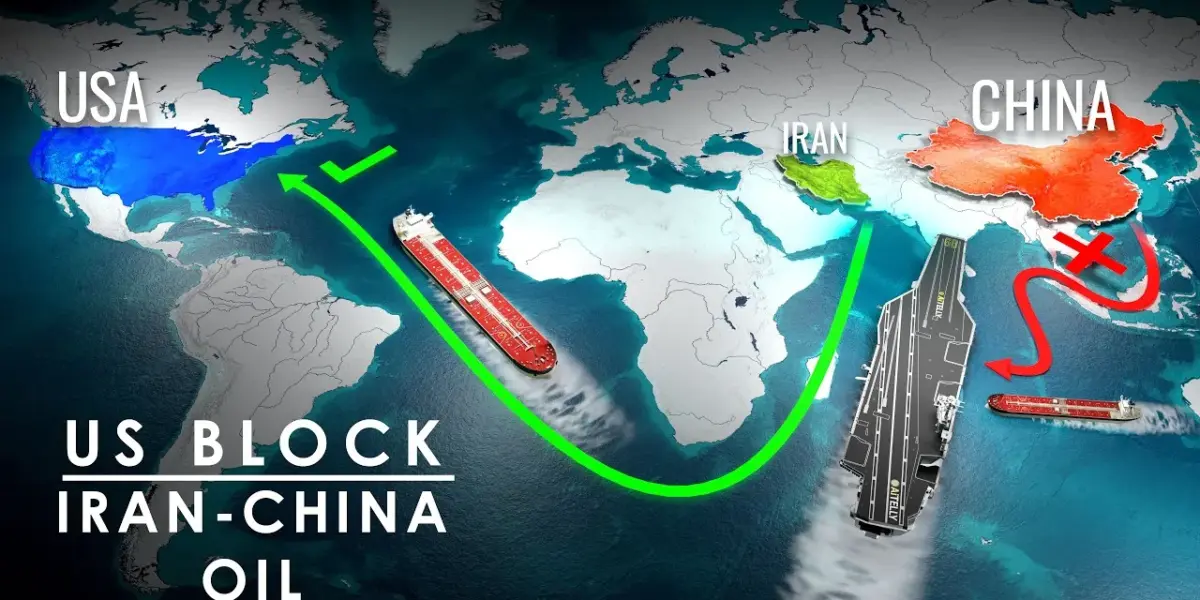
AI Powers US Strategy to Control Global Oil Flow
The United States is using advanced artificial intelligence to track oil tankers and influence global energy markets, a strategy that appears designed to counter China’s reliance on oil imports. This sophisticated approach uses AI to monitor ships, identify their cargo, and assess their risk in real-time. It’s a complex geopolitical move with significant implications for international trade and power dynamics.
During periods of tension between the US and Iran, a striking 97% of Iranian oil tankers were found to be heading directly to China. This data point highlights China’s deep dependence on oil from nations facing sanctions. The US strategy seems to aim at cutting off these vital energy supplies, effectively starving industrial giants like China without direct military conflict.
How the Strategy Unfolds
The plan involves targeting nations that supply oil to China, with Iran being a key focus. When Iran attempted to blockade the Strait of Hormuz, a crucial shipping lane, the US responded by effectively blocking Iran’s blockade. This action forced hundreds of oil tankers to seek alternative sources, often turning to the United States indirectly.
This redirection of oil flow benefits the US by increasing its oil profits and revenue. The US has strategically positioned itself as an energy superpower over the past decade, possessing vast reserves, advanced extraction technology, and export terminals. When major oil routes like the Strait of Hormuz are threatened, American crude becomes highly sought after, driving up prices and channeling billions into the US economy.
The Role of AI in Enforcement
Enforcing these blockades and identifying specific ships relies heavily on maritime artificial intelligence software. These platforms use satellite radar and other technologies to track every vessel, even if they turn off their GPS trackers. The AI doesn’t just count ships; it analyzes their behavior and gathers data from various sources.
This data includes satellite imagery, transponder signals, historical voyage patterns, port records, flag registrations, cargo details, and ownership networks. By cross-referencing all this information, the AI assigns each vessel a real-time risk profile. This allows for precise identification of ships carrying sanctioned crude, effectively turning the AI into a tool for monitoring a specific, floating oil pipeline to China.
Impact on China’s Energy Supply
The US strategy targets China’s access to discounted oil, which is essential for its massive economy. By cutting off supplies from Venezuela and restricting flow from Iran, the US has cornered Beijing. China is now forced to buy energy on the open market at significantly inflated prices, often referred to as wartime prices.
This leaves China with limited options, primarily relying on Russia for its remaining discounted oil. This dependence gives Moscow considerable leverage over Beijing, creating a new dynamic in their relationship. The US actions aim to disrupt China’s energy security and economic stability.
Enforcing Blockades and Interdictions
In scenarios where a blockade escalates, the US Navy is prepared to interdict foreign-flagged oil tankers. This could involve pursuing vessels identified by intelligence as part of a clandestine network used to bypass sanctions. The AI plays a critical role in identifying these targets for interception.
If a tanker refuses to stop or attempts to evade capture, the US may dispatch forces for a pursuit. The crew might try to change the ship’s identity by repainting its hull or changing its name and flag to appear as if it belongs to another nation. Chinese warships operating nearby could complicate these operations, creating a defensive screen that requires extreme caution from US commanders to avoid escalating into a naval conflict.
Advanced Military Tactics Employed
When a vessel is targeted, the US employs advanced military assets to secure the area and intercept the ship. This can involve overwhelming air superiority to neutralize potential threats, such as submarines. Surveillance aircraft and electronic warfare assets are used to track enemy movements and disrupt communications.
Special operations teams can then conduct precision assaults, rappelling from helicopters onto the tanker’s deck to secure it. This tactical approach allows the US to seize control of the vessel and enforce its blockade, demonstrating a comprehensive strategy that combines AI-driven intelligence with military might.
Why This Matters
This strategy highlights how AI is becoming a critical tool in geopolitical maneuvering, moving beyond traditional warfare. By enabling precise tracking and analysis of global trade routes, AI allows nations to exert influence and control without necessarily engaging in direct combat. The ability to disrupt an adversary’s supply chain, especially for vital resources like oil, offers a powerful non-military option.
For China, this means a more costly and precarious energy future, potentially forcing difficult political choices. For the US, it represents a significant assertion of energy dominance and a way to shape global economic outcomes. The Strait of Hormuz, once a point of vulnerability, is being transformed into an instrument of American leverage.
The Future of Energy Dominance
The ongoing developments suggest that AI will continue to play a larger role in international relations and economic strategies. Nations are increasingly looking to technology to gain an edge in critical sectors like energy. The ability to monitor, predict, and influence global commodity flows through AI could redefine the balance of power.
This approach highlights the US’s commitment to maintaining its position as an energy superpower. The complex interplay of technology, economics, and military strategy is shaping the future of global energy security. The next steps will likely involve further refinements in AI capabilities and strategic deployments to maintain this advantage.
Source: Is US Using Iran to Cut Off China’s Oil Supply? (YouTube)

Related Articles
China’s Economy Faces Strain as Trump Prepares for Beijing Visit
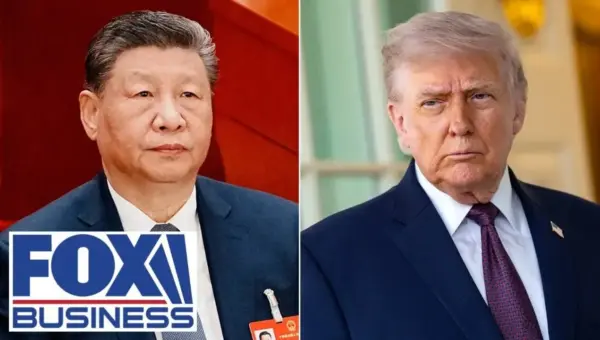
China's economy shows signs of strain with weak retail sales and exports, despite strong industrial output figures. Experts question the official growth numbers, pointing to a growing inventory glut and thin factory margins that limit price cuts. Geopolitical factors, including President Trump's upcoming potential visit to Beijing, add another layer of uncertainty.
Markets Surge on Iran Deal Hopes, Netflix Falls
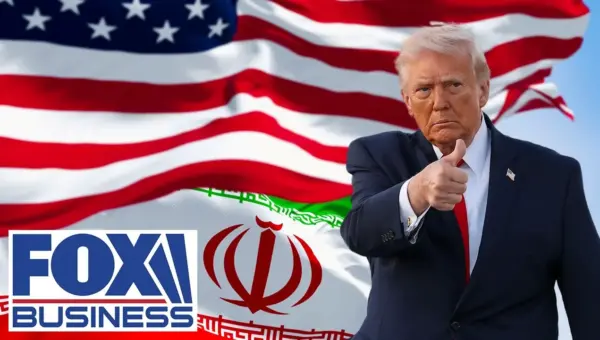
Stock markets surged on hopes of a de-escalation in Iran following President Trump's claims of a breakthrough deal. Meanwhile, Netflix shares dropped amid uncertainty over leadership changes and content concerns. Investors are closely watching economic indicators for signs of sustained growth.


Crypto Soars as Clarity Bill Nears Passage, Iran Deal Eases Tensions
The cryptocurrency market is experiencing a significant rally, with Bitcoin hitting $78,000, driven by progress on a U.S. crypto Clarity Bill and easing geopolitical tensions. Analysts predict further gains, especially for Ethereum, as institutional interest grows.