Trump’s Mideast Declarations Spark Hope and Doubt
President Trump's recent statements on the Strait of Hormuz, Iran's nuclear program, and the Israel-Hezbollah conflict have sparked both hope and skepticism. While Iran claims the Strait is open, conditions remain, and the true scope of any nuclear deal is unclear. The fragile Hezbollah ceasefire adds another layer of complexity to the region's volatile situation.

Trump’s Mideast Declarations Spark Hope and Doubt
President Trump recently made several significant statements regarding the Middle East, touching on the Strait of Hormuz, Iran’s nuclear program, and the conflict between Israel and Hezbollah. These declarations have generated a mix of optimism and skepticism, leaving many to question the true implications of these pronouncements.
Strait of Hormuz: Open for Business, With Caveats
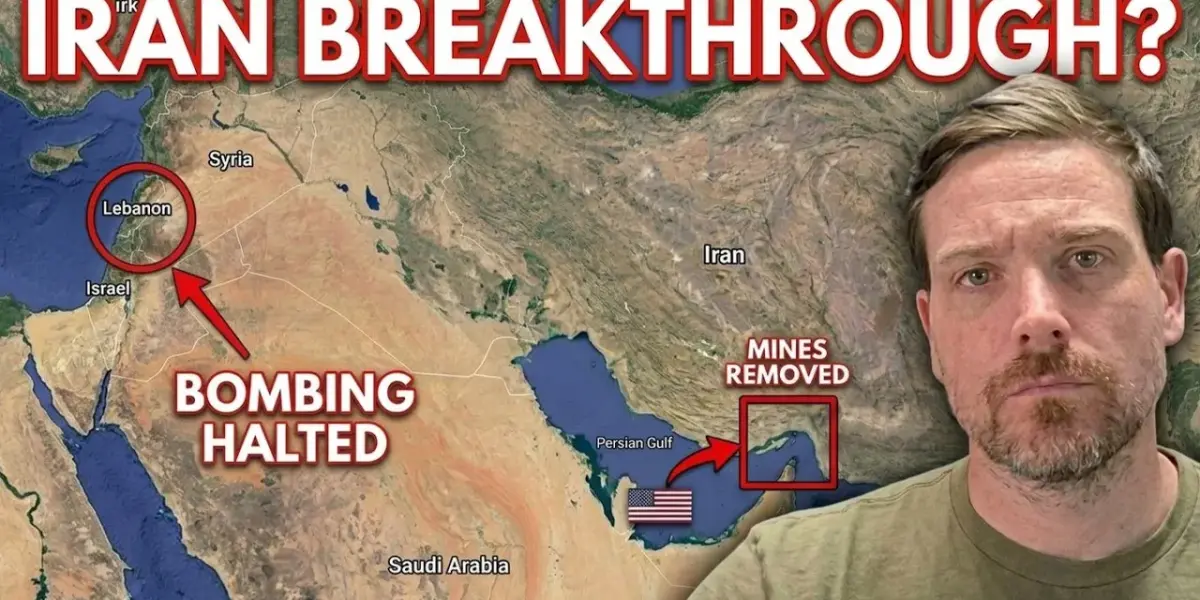
One of the most striking claims was that the situation at the Strait of Hormuz is now resolved. Trump stated that Iran has agreed to never close the vital waterway again, effectively removing it as a weapon against global trade. He also mentioned that Iran, with US help, is removing sea mines from the area.
However, the details paint a more complex picture. Iran’s foreign minister announced the Strait is open for commercial vessels during a ceasefire in Lebanon.
Yet, he also noted that the passage is still overseen by Iran’s Islamic Revolutionary Guard Corps (IRGC). Ships must register and get approval to pass through, and there’s a significant condition: ships and their cargo cannot be related to “hostile countries.”
This broad definition of “hostile countries” raises questions. Does it include nations that host US military assets or allow US aircraft overflights? The US blockade remains in effect, and Iran’s security council has warned that the Strait could be closed again if the US doesn’t lift its naval blockade, viewing it as a violation of a truce.
The true test will be whether ships actually begin moving through the Strait. This opening is reportedly tied to a ceasefire deal struck with the US.
The success of this aspect hinges on actions, not just words. It’s a situation that requires careful observation to see if the Strait truly becomes a free passage for all.
Nuclear Deal: A Hazy Accord
Reports emerged suggesting a potential three-page plan to end Iran’s nuclear program. Axios reported that the US and Iran were negotiating, with one element involving the US releasing $20 billion in frozen Iranian funds in exchange for Iran giving up its enriched uranium stockpile. This deal, if it exists, would reportedly not involve cash changing hands directly.
President Trump himself confirmed that Iran agreed to stop enriching uranium and “everything.” However, he strongly denied any money would exchange hands. Administration officials have dismissed the reports as mere hearsay and rumors, urging people to rely only on official US government statements.
There’s a nuance to consider: releasing frozen funds might be presented as distinct from the US directly giving money to Iran. Still, if Iran is truly giving up enrichment forever, it’s reasonable to assume they expect something in return.
The extent of Iran’s concessions, beyond just nuclear material, remains unclear. Their missile and drone programs, and support for regional proxies, are significant factors not yet addressed in these reports.
It’s important not to assume Iran has completely capitulated. While they may be in a weaker position, they still possess significant military capabilities. The exact terms of any nuclear agreement are still unknown, and it’s too early to make definitive judgments about its success or failure.
Hezbollah Ceasefire: A Complex Truce
A ceasefire between Israel and Lebanon went into effect, but its nature is unusual. The conflict is primarily between Israel and Hezbollah, a powerful non-state actor operating within Lebanon. The ceasefire, technically between the two states, doesn’t directly address the core conflict with Hezbollah.
Under the agreement, Lebanon is expected to take steps to prevent Hezbollah and other groups from attacking Israeli targets. However, many doubt Lebanon’s ability or willingness to control Hezbollah, a task that has largely fallen to Israel’s military in the past. This aspect of the deal has been celebrated by Iran, Hezbollah, the Houthis, and Hamas as a victory for the “axis of resistance,” boosting their morale.
The ceasefire has been met with anger in parts of northern Israel. Officials there feel it has compromised the momentum of operations aimed at disarming Hezbollah. Many Israelis reportedly supported continuing the war, regardless of developments in Iran.
Some analysts suggest Iran may have linked Hezbollah’s survival to its willingness to negotiate with the US. This implies that Iran used the ceasefire as a condition for broader diplomatic progress. The way the ceasefire was achieved, and the subsequent return of Lebanese civilians to their homes, is seen by some as undermining the military achievements on the ground and playing into Iran’s narrative.
Why This Matters
These developments, if fully realized, could significantly alter the geopolitical dynamics in the Middle East. A stable Strait of Hormuz is crucial for global energy markets and international shipping. A verifiable end to Iran’s nuclear ambitions would be a major diplomatic achievement, reducing regional tensions.
However, the devil is in the details. The conditions and enforcement mechanisms for the Strait’s opening, the specifics of any nuclear deal, and the long-term implications for groups like Hezbollah will determine the true impact. The narrative surrounding these events also plays a critical role in regional morale and political stability.
Implications and Future Outlook
The coming days and weeks will be critical. The actual movement of commercial vessels through the Strait of Hormuz will be a key indicator of success. Insurers and shipping companies will be watching closely to assess the risks and viability of passage.
Any nuclear agreement needs to be comprehensive, addressing not just uranium enrichment but also Iran’s ballistic missile program and regional activities. The current reports are vague on these crucial points.
The situation with Hezbollah remains a volatile element. If Lebanon cannot or will not effectively curb Hezbollah’s activities, the underlying conflict could easily reignite, undermining broader peace efforts. The differing perspectives from Israel, Iran, and the US highlight the deep divisions and mistrust that persist.
Ultimately, these pronouncements represent a potential turning point, but the path forward is fraught with uncertainty. The long-term consequences depend heavily on the concrete actions and verifiable commitments that follow these initial statements.
Historical Context
The Strait of Hormuz has long been a focal point of tension, given its strategic importance as a chokepoint for global oil supplies. Iran has previously threatened to close it during periods of heightened conflict with the West and its regional rivals.
Concerns over Iran’s nuclear program have been a central issue for decades, leading to international sanctions and multiple rounds of negotiations. The 2015 Joint Comprehensive Plan of Action (JCPOA) aimed to curb Iran’s nuclear activities, but its future has been uncertain, especially after the US withdrawal in 2018.
The relationship between Israel and Hezbollah is deeply rooted in regional conflicts, with numerous clashes and a long history of animosity. Ceasefires have often been fragile, with underlying issues remaining unresolved.
The Next Steps
The immediate focus will be on observing the actual traffic flow through the Strait of Hormuz. Any concrete steps towards verifying Iran’s nuclear commitments and clarifying the terms of the Hezbollah ceasefire will also be closely watched.
Source: Trump Just Dropped Stunning Middle East Statements (YouTube)

Related Articles
Middle East Peace Deal, FISA Extension Shake Up Politics
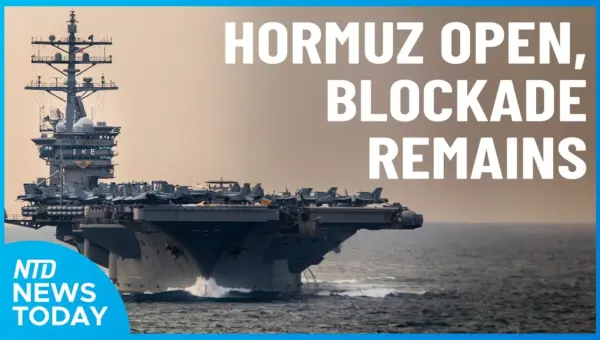
President Trump announced Iran's agreement to open the Strait of Hormuz, coinciding with an Israel-Lebanon ceasefire, impacting oil prices and markets. Meanwhile, the Senate extended FISA surveillance powers for 10 days amidst privacy concerns. Health Secretary Robert F. Kennedy Jr. testified on combating fraud and chronic disease.
Trump Rallies Arizona Republicans, Hails “Open” Strait of Hormuz
Former President Donald Trump addressed a "Build the Red Wall" rally in Phoenix, Arizona, aiming to energize Republican voters for the midterms. The event highlighted "America First" policies and celebrated the reported opening of the Strait of Hormuz, which positively impacted financial markets and lowered oil prices.
Iran Deal Boosts Markets, Oil Prices Drop
President Trump's announcement of progress in Iran has spurred a global market rally, with oil prices falling significantly. Initial earnings reports show strong corporate growth, and analysts believe there is further upside potential for the market. The U.S. is also focusing on energy independence, which could boost national revenue.