Government Targets Online Critics, Draining Their Wallets
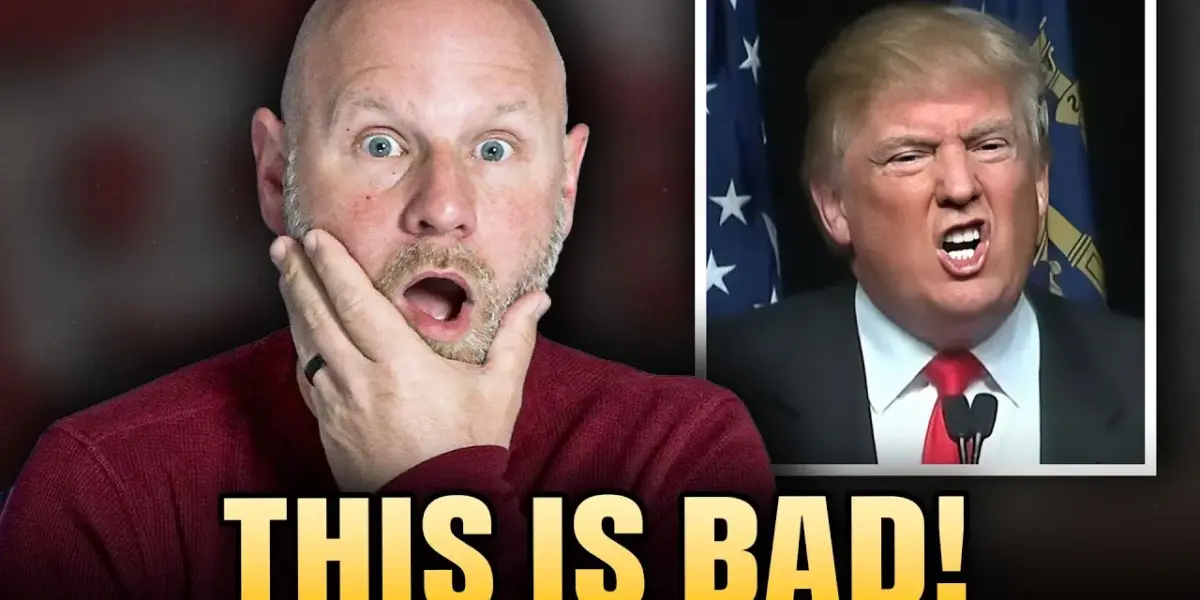
The government is increasingly targeting online critics by using legal processes to drain their financial and emotional resources. Even when individuals share publicly available information, they may face costly investigations and potential legal battles. This strategy aims to silence dissent through exhaustion rather than conviction.

Government Targets Online Critics, Draining Their Wallets
The government is now taking action against people who criticize its actions online. This includes targeting individuals who share publicly available information about government officials.
One recent case involved a subpoena for Reddit user data. The goal isn’t necessarily to win convictions, but to financially and emotionally exhaust critics.
The US Attorney’s Office in Washington D.C. Issued a subpoena to Reddit. They demanded identifying information for a user known only as John Doe.
This user had previously posted publicly available details about an ICE agent involved in a fatal shooting. The information itself was not secret; it had already been released to the public.
The subpoena gave Reddit a deadline of April 14th to comply. This action raises serious questions about the government’s intent. Why pursue an individual who shared existing public information on an open platform?
The High Cost of Dissent
The core issue is the potential cost to the individual. If identified, this person could face a criminal investigation.
Even if they committed no crime, they might need to hire an expensive lawyer. This is especially true given current economic conditions, where many people have limited financial resources.
Legal defense can be incredibly costly, particularly when dealing with the federal government. A good criminal defense attorney can be one of the most expensive professionals to hire. The government’s aim appears to be to drain the financial and emotional resources of its critics.
The process itself can be devastating. Individuals might have to travel for interrogations, face arrest, and undergo booking procedures. The threat of criminal charges, even if unlikely to lead to conviction, is a powerful tool.
A Strategy of Exhaustion
The strategy is not about securing guilty verdicts. This approach was made clear during the last presidential campaign.
Allies of the administration stated their goal was not to imprison people they disliked. They knew many cases wouldn’t hold up in court.
Instead, the aim is to ruin lives publicly, politically, and financially. The government seeks to drain resources through lengthy investigations. Even if these investigations lead nowhere, the legal costs remain a significant burden.
This tactic was also seen when targeting figures like Liz Cheney. The intention was to make life difficult for those who opposed them. Unmasking online critics and subjecting them to legal battles is a key part of this strategy.
Historical Context and Similar Tactics
This approach echoes tactics used in the past to silence opposition. Throughout history, powerful entities have sought ways to suppress dissent. The digital age has provided new methods, but the underlying goal remains the same: to intimidate and neutralize critics.
The use of subpoenas and investigations against individuals for online speech is a concerning trend. It suggests a willingness to use legal processes as a weapon against perceived enemies. This can create a chilling effect, discouraging others from speaking out.
The actions taken against online critics highlight a broader struggle over free speech and accountability. It raises questions about the balance between protecting public officials and allowing open criticism.
Why This Matters
This matters because it directly impacts free speech today. When individuals fear severe financial and legal repercussions for sharing publicly available information, it can lead to self-censorship. The ability to criticize government actions is fundamental to a healthy democracy.
The government’s strategy of draining resources through legal means is a serious concern. It suggests that the power of the state can be used to punish dissent, even without securing convictions. This can silence voices and weaken public discourse.
The trend indicates that online criticism, even when based on factual, public information, can attract unwanted government attention. This can have a significant impact on individuals’ lives, careers, and financial stability.
Implications and Future Outlook
The implications are far-reaching. If this strategy continues, more people may hesitate to voice their opinions online.
This could lead to a less informed public and a decrease in government accountability. The internet, often seen as a space for open dialogue, could become more constrained.
The future outlook suggests a continued tension between online expression and government scrutiny. As technology evolves, so too will the methods used to monitor and potentially target individuals. It is crucial for citizens to be aware of these dynamics.
The challenge lies in finding a balance that protects individuals from harassment while allowing for legitimate criticism of government. Legal frameworks and public awareness will play key roles in shaping this future.
A Word of Caution
As this administration continues, the pressure on online critics may increase. It is wise to be mindful of how you express yourselves online. This does not mean censoring your thoughts or refraining from speaking out.
Instead, consider being strategic and clear in your communication. Understand that actions, even those involving public information, can attract attention. Being clever about how you present information might offer some protection.
The government has shown a willingness to pursue those who criticize them. Remaining vigilant and informed is essential for anyone engaging in public discourse. The next deadline for such a subpoena is April 14th.
Source: Trump Is Coming After People Who Mock Him Online (YouTube)

Related Articles

ICE Deaths Surge: Are We Ignoring a Crisis?
Dozens of people have died in ICE custody, raising concerns about systemic failures and inadequate care. While ICE claims high standards, critics point to denied medical attention and rights violations. This trend demands urgent attention and accountability.

Fraud Scheme Unravels: Is Government Hiding the Truth?
A massive Medicaid fraud scheme in Minnesota is under scrutiny, with allegations of government officials blocking investigations. Candidate Michelle Tafoya discusses the need for accountability and supports legislation to deport fraudsters. The role of journalists in exposing such fraud is also highlighted.

Congress Faces Scandal: Is it Broken or Just Corrupt?
Recent scandals involving Congressmen Eric Swalwell and Tony Gonzales have ignited a debate about accountability in Washington D.C. Congresswoman Lauren Boebert argues the system protects the powerful, while others question partisan hypocrisy in handling misconduct. The push for transparency may lead to significant reforms.