Trump’s Religious Rhetoric Draws Scrutiny Amidst Policy Cuts
The Trump administration's use of religious rhetoric and its recent funding cuts to Catholic charities are facing increased scrutiny. Commentators question the sincerity of the administration's faith-based messaging, especially amid public disagreements with the Pope and a perceived decline in political civility.

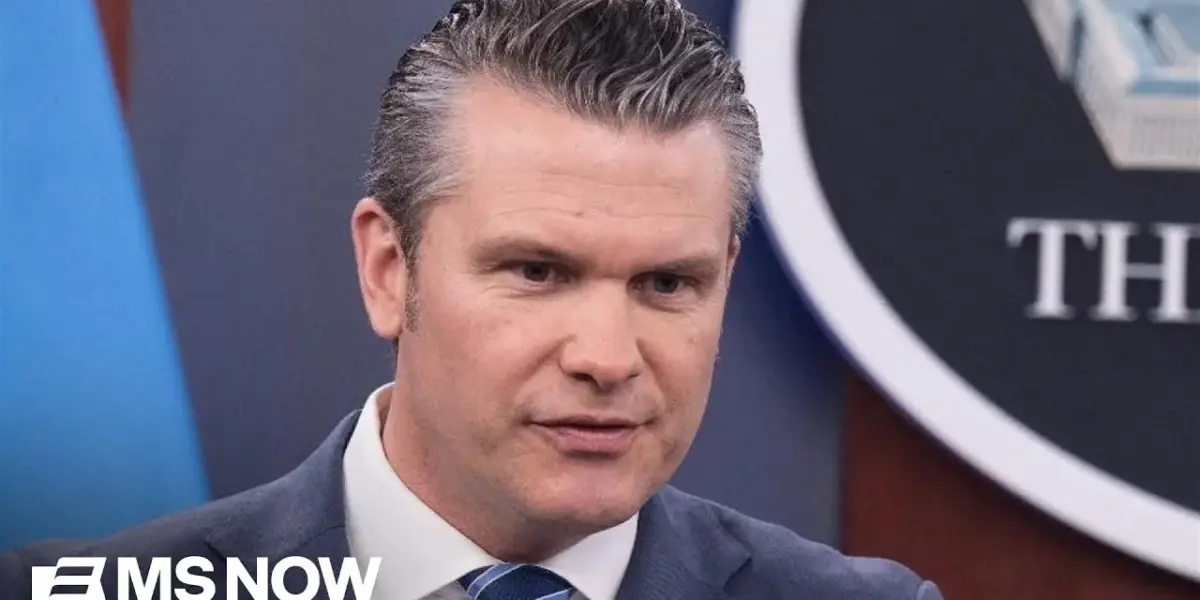
Trump’s Religious Messaging Faces Questions
The Trump administration’s use of religious language and its approach to faith-based policies are drawing increased attention and criticism. Recent events, including former President Donald Trump’s public disagreements with the Pope and significant funding cuts to Catholic charities, have fueled debate about the administration’s sincerity and its impact on religious communities.
Shifting Religious Appeal
Political commentators note a change in how Donald Trump has approached religion during his presidency. When first elected in 2016, many religious Americans saw Trump as an agent of change for their movement.
They believed he would help enact policies they supported, even if he wasn’t seen as a particularly religious figure himself. This approach helped shift Republican and conservative religious voters towards him.
However, during his second term, the rhetoric shifted. Trump and his cabinet began to more overtly use religious iconography and language. This more public display of faith, while intended to connect with his base, appears to be creating new challenges and drawing criticism.
Clash with the Pope
A notable point of contention arose when former President Trump publicly disagreed with Pope Francis on issues concerning Iran’s nuclear capabilities and the deaths of protesters. Trump made statements questioning the Pope’s understanding of the situation, suggesting the Pope was unaware of the violence. This public feud, even if one-sided according to some observers, has been called an “unforced error” by critics.
“It is such a classic unforced era. So what if you got in a fight with the Pope? I mean, you know, Catholics in this country are key.”
The strategy of engaging in public disputes with religious leaders like the Pope is seen by some as counterproductive, particularly given the significant number of Catholic voters in the United States. This approach is not being widely adopted by other prominent Republicans, suggesting it may not be a winning strategy.
Faith and Policy: Funding Cuts
Amidst these public statements, the Trump administration also made significant policy decisions impacting religious organizations. The administration decided to cut funding for Catholic Charities of the Archdiocese of Miami. This organization had used the funds for nearly 70 years to run a foster care system for undocumented minors.
When questioned about the timing of these cuts, especially in light of the public feud with the Pope, officials stated the funding decision was separate from the dispute. However, critics suggest that such actions could complicate efforts to reinstate the funding and strain relationships with religious communities.
Broader Implications for National Ethos
Commentators have expressed concern over what they see as a decline in virtues like humility and kindness in political discourse. They point to instances like J.D.
Vance campaigning for someone who argued against mixed-race families, despite Vance himself having a mixed-race family. This is seen as a departure from a time when such behavior would have been considered outside the norm.
The contrast is drawn with past political figures, such as George W. Bush, whose acceptance speech in 2000 emphasized humility and service.
The current political climate, marked by frequent public disputes and a perceived loss of common decency, is viewed as detrimental to the national spirit. There is a hope that a return to these foundational virtues is possible.
Public Perception of Trump’s Faith
Recent polling data indicates that a majority of Americans do not view Donald Trump as particularly religious. This perception extends to his own party, with only about half of Republicans considering him religious. This disconnect between the administration’s use of religious rhetoric and public perception of Trump’s personal faith is seen as a key factor contributing to the current controversies.
The administration and its allies are increasingly engaging in debates about religion and faith. However, experts suggest they may be ill-prepared for these discussions, leading to missteps and alienating both their base and the broader public. This lack of preparedness is noticeable and impacts how their message is received.
What’s Next?
The ongoing tension between the administration’s public messaging on faith, its policy decisions affecting religious organizations, and the public’s perception of its religiosity will likely continue to be a focal point. Future actions regarding funding for social services and the tone of political discourse surrounding religious issues will be closely watched.
Source: Pentagon defends Hegseth's use of 'Pulp Fiction prayer' (YouTube)

Related Articles
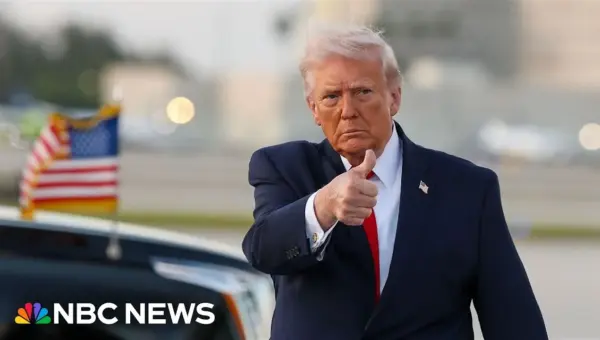
Trump Vows ‘America First’ at Phoenix Rally
Former President Donald Trump addressed supporters in Phoenix, vowing to prioritize border security, economic growth, and American strength. The rally, held in memory of Charlie Kirk, focused on Trump's vision for a revitalized nation, contrasting it sharply with current policies and calling for a strong turnout in upcoming elections.
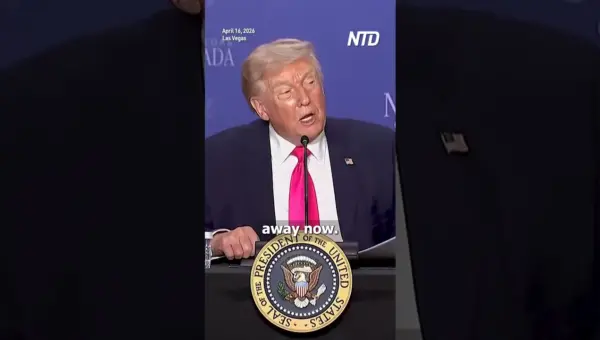
Trump Claims Iran War Is Ending, Cites Military Might
Former President Donald Trump stated that the conflict in Iran is progressing well and should end soon. He attributed this to the strength of the U.S. military and his past economic policies. Trump believes his actions have created successful deterrence in the region.
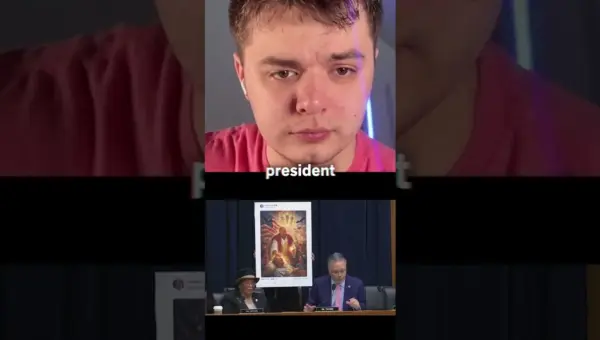
RFK Jr. Dodges 25th Amendment Question, Sparks Controversy
Robert F. Kennedy Jr. avoided answering a direct question about invoking the 25th Amendment if a president fails a mental fitness test. This response has sparked controversy, with critics questioning his commitment to constitutional safeguards. The incident highlights ongoing debates about presidential fitness and accountability.