Israel-Lebanon Ceasefire: A Fragile Peace or a Turning Point?
A 10-day ceasefire between Israel and Lebanon marks a significant diplomatic achievement, fueled by U.S. intervention and potential shifts in Iran's nuclear stance. Analysts weigh the fragility of this peace against the backdrop of ongoing naval blockades and regional power dynamics.

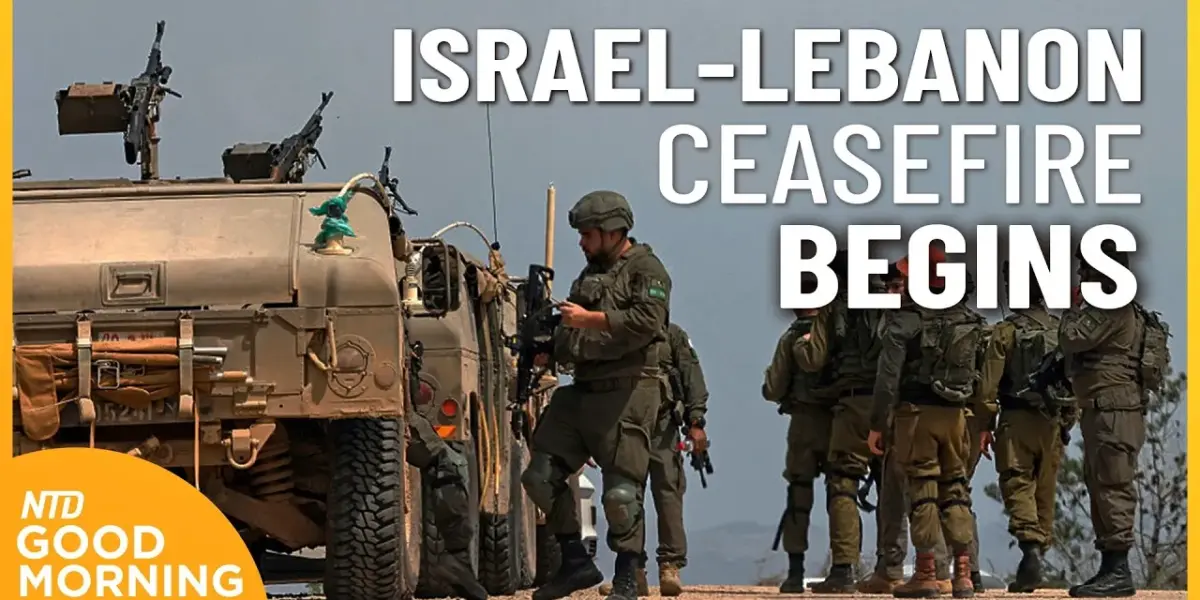
Israel-Lebanon Ceasefire: A Fragile Peace or a Turning Point?
A 10-day ceasefire between Israel and Lebanon has been agreed upon, marking a significant moment in the long-standing conflict. This pause in violence began after direct conversations between President Trump, the Lebanese president, and the Israeli prime minister. The agreement, facilitated by U.S. diplomacy, aims to create a period of calm and open the door for further peace talks.
Diplomatic Efforts Bear Fruit
The ceasefire announcement follows rare high-level talks in Washington D.C., led by Secretary of State Marco Rubio. This was the first time leaders from these neighboring countries met in the U.S. capital in 34 years. President Trump has expressed optimism, calling it a potential “historic day for Lebanon” and suggesting good things are happening.
The U.S. State Department expects Lebanon, with international backing, to take steps against Hezbollah and other armed groups. These groups have been launching attacks into Israel. President Trump has urged Hezbollah to act peacefully during this crucial period, emphasizing the potential for peace over continued violence.
Netanyahu Sees Opportunity for Broader Agreement
Israeli Prime Minister Benjamin Netanyahu views the ceasefire as an opening for a more comprehensive peace agreement. However, he stressed that Israel’s core demands, including the disarmament of Hezbollah and securing long-term peace, remain critical. Netanyahu stated that President Trump intends to invite him and the Lebanese president to advance these discussions further.
Iran Nuclear Talks Signal Progress
In parallel, President Trump indicated progress in separate peace talks with Iran concerning its nuclear program. He suggested that Iran is showing a willingness to negotiate on nuclear material that they were not open to discussing before. This includes an agreement to return “nuclear dust” currently stored underground.
These potential talks with Iran come just before the expiration of a separate two-e ceasefire. President Trump expressed confidence in reaching a positive outcome, stating, “We’re going to have victory very shortly.” He acknowledged Iran as a tough and smart country but believes a favorable resolution is possible.
Analyzing the Ceasefire’s Effectiveness
Rebecca Grant, Vice President at the Lexington Institute and a national security analyst, discussed the complexities of the ceasefire. A key question is how Hezbollah, an Iran-backed group not directly party to the agreement, will abide by the truce. Grant highlighted that Lebanon’s president has taken a stance against certain Hezbollah factions to engage in these talks.
Grant explained that Iran’s reduced capacity to fund Hezbollah is a critical factor. This financial pressure, combined with Israeli air strikes targeting Hezbollah leadership and weapons caches, makes the disarmament process more feasible. She noted that while hundreds of thousands of rockets remain, there’s a better chance for progress now than in a long time.
The situation is complicated by figures like Nabih Berri, the speaker of the Lebanese parliament, who has ties to Hezbollah. However, the Lebanese president’s decision to pursue talks despite this is seen as significant. The disarmament efforts by the Lebanese armed forces are now underway, a difficult but potentially achievable task.
Shifting Incentives for Hezbollah
Grant suggested that turning off the flow of Iranian aid and money to Hezbollah could change the incentive structure for its rank-and-file members. While ideology plays a role, financial incentives are also important. This shift is seen as crucial for President Trump’s broader vision of peace in the Middle East.
Operationally, the ceasefire requires a pullback of forces from the southern Lebanon-northern Israeli border. The goal is to ensure quiet and prevent rocket fire, creating a foundation for further negotiations. Grant believes this situation offers the best sign of progress in decades, potentially comparable to historical peace agreements with Egypt or Jordan.
Naval Blockade and Global Maritime Interdiction
The discussion also touched upon the U.S. naval blockade targeting Iran. Captain James Fenel, former director of intelligence with the U.S. Navy’s Pacific Fleet, explained that this blockade is now global, extending beyond the Strait of Hormuz. It aims to prevent vessels from bringing illegal contraband into Iran or extracting oil.
This global approach involves various combatant commands, including U.S. Indo-Pacific Command. The objective is to ensure Iran does not violate the terms of the blockade and is unable to fund its military capabilities. Captain Fenel noted that while the scale might be unprecedented in recent times, the U.S. Navy is well-trained for such operations, including maritime interdiction and visit, board, search, and seizure.
The focus is on isolating Iran while maintaining freedom of navigation for legitimate trade. Vessels leaving Iranian waters with oil or attempting to enter Iran are being stopped and turned around. The U.S. is also tracking “dark fleet” activities, where ships turn off their Automatic Identification System (AIS) to evade sanctions.
Enforcing Maritime Regulations
Captain Fenel clarified that the U.S. has previously conducted similar operations, such as in Venezuela. However, the current posture regarding Iran is more assertive. The U.S. is now directly enforcing these regulations, rather than relying solely on other nations’ participation.
He added that while some ships may occasionally get through, the larger pattern shows the blockade is having an impact. Reports from Europe about jet fuel shortages and statements from China suggest the blockade is affecting global supply chains. The U.S. Navy is using all available assets to identify and address non-compliant vessels.
Air Power and Blockade Support
The capabilities of naval aviation in supporting the blockade were also discussed. The U.S. Navy operates from aircraft carriers and amphibious assault ships, deploying fighter jets, helicopters, and intelligence, surveillance, and reconnaissance (ISR) aircraft. These assets provide crucial support for spotting, tracking, and communicating with vessels.
Helicopters are particularly useful for covering larger areas and engaging ships verbally. Combined with Air Force assets, this integrated air power provides a comprehensive picture and allows for directed action against high-risk vessels. The U.S. Navy’s presence aims to reassure the international shipping community.
War Secretary’s Strong Stance
Cheyen Sami, a national security and Middle East analyst, commented on Secretary of War Pete Hegseth’s remarks about the U.S. being “locked and loaded.” Sami noted that Hegseth’s strong military language, while potentially intended to create doubt among Iranian leadership, contrasts with President Trump’s diplomatic overtures. This can cause confusion, but it reflects the Trump administration’s strategy to exert pressure.
Sami observed that Iran’s official reaction to Hegseth’s comments has been muted. The regime appears to be waiting for clarity from the White House.
Internal divisions within Iran, particularly between the parliament speaker and the IRGC, further complicate decision-making. The people of Iran, Sami believes, view the current regime as beholden to China and Russia, lacking genuine concern for their welfare.
Future Outlook and Regional Stability
The ultimate success of the Israel-Lebanon ceasefire and the broader peace efforts in the Middle East remains to be seen. However, the current diplomatic engagement and the pressure applied through measures like the naval blockade represent a significant shift in regional dynamics. The coming days and weeks will be critical in determining whether this fragile peace can hold and lead to lasting stability.
Why This Matters
The agreement between Israel and Lebanon, alongside potential progress with Iran, signals a new phase in Middle East diplomacy. It highlights the impact of U.S. foreign policy under President Trump and the intricate interplay between military pressure and negotiation. The situation highlights the ongoing challenges of regional security, particularly concerning non-state actors like Hezbollah and the influence of global powers.
Looking Ahead
As the 10-day ceasefire unfolds, the world will be watching to see if it leads to sustained de-escalation and a more permanent peace between Israel and Lebanon. Simultaneously, developments in U.S.-Iran talks will shape the future of nuclear non-proliferation and regional stability.
Source: Israel, Lebanon Enter 10-Day Ceasefire; House Extends Spy Powers | NTD Good Morning (April 17) (YouTube)

Related Articles

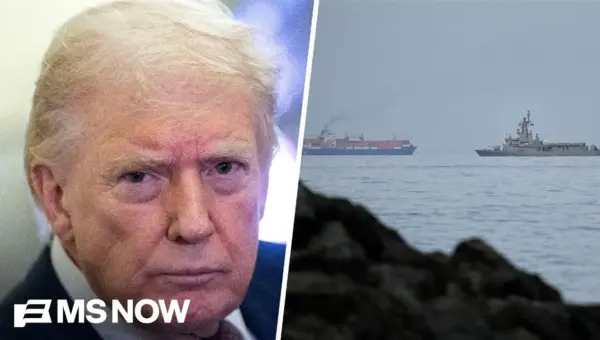
Trump Claims Iran Will Keep Strait of Hormuz Open
President Trump announced that Iran has agreed to keep the Strait of Hormuz open for shipping, linking it to a ceasefire in Lebanon. While presented as a major breakthrough, experts urge caution due to a lack of official confirmation from Iran and potential conditions attached to the agreement.
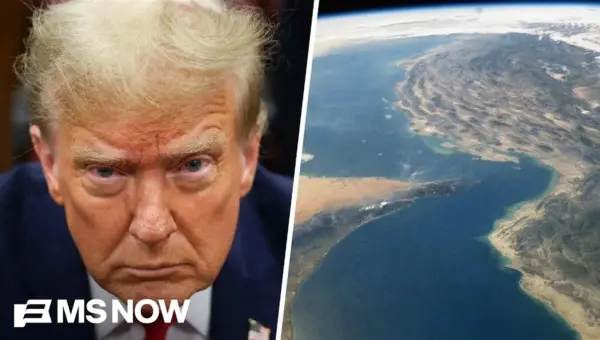
Iran Opens Key Oil Route, Stocks Jump Amid Ceasefire Hopes
Iran has reopened the Strait of Hormuz to commercial shipping, leading to a drop in oil prices and a rally in the stock market. This move comes as part of a fragile ceasefire agreement between Lebanon and Israel, with the U.S. heavily involved in brokering peace talks. The situation remains complex, with ongoing discussions about Iran's nuclear program and Hezbollah's future role.
Trump Claims Iran Will Halt Uranium Enrichment
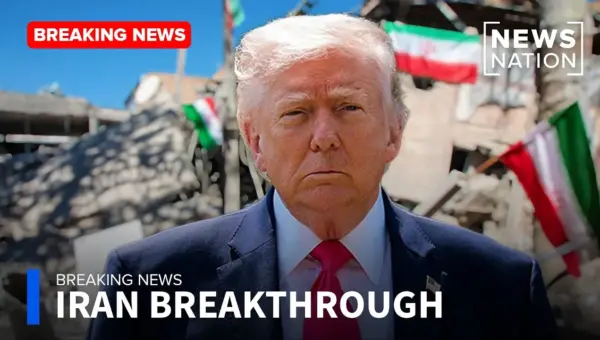
President Trump claims Iran has agreed to stop enriching uranium, a significant development for global security. Reporter Kelli Meyer confirmed the President's statement, which suggests a major shift in Iran's nuclear program. The world awaits further details and verification of this reported agreement.