Trump’s Pope Feud: Faith, Politics, and a Public Relations Blunder
Donald Trump's public feud with Pope Leo, marked by personal attacks and controversial religious imagery, highlights the complex intersection of faith and politics. The conflict raises questions about leadership, public discourse, and the role of religious figures in society.

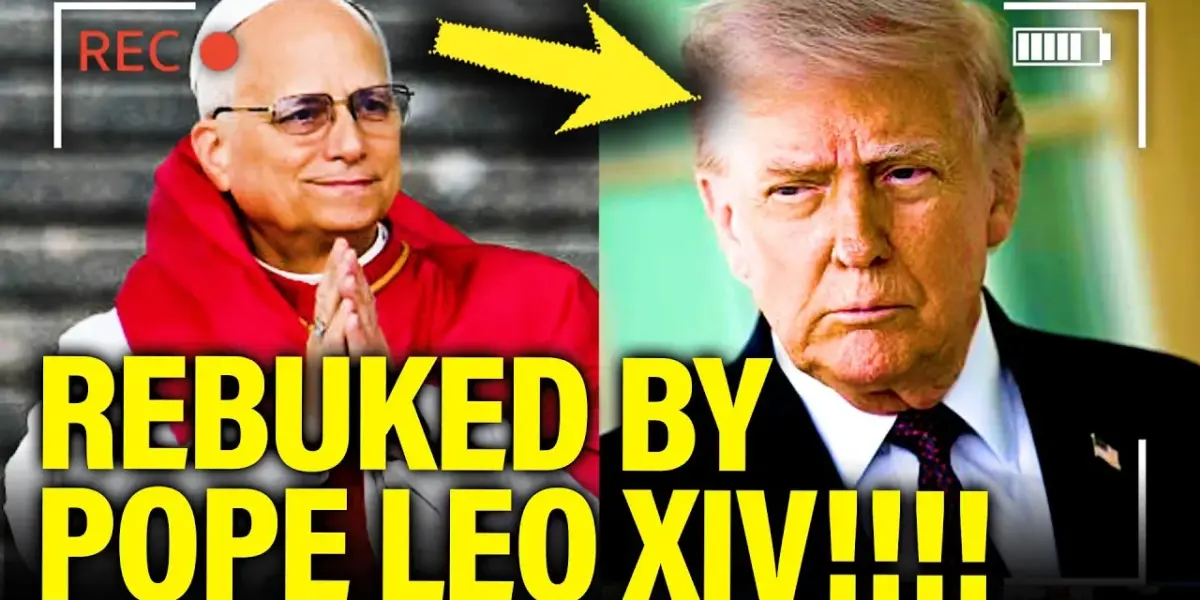
Trump’s Pope Feud: Faith, Politics, and a Public Relations Blunder
A recent public exchange between Donald Trump and Pope Leo has ignited a firestorm, blurring the lines between religious leadership and political discourse. The conflict began when Trump, in response to criticism, launched a strong attack on the Pope. He called Pope Leo “weak on crime” and “terrible for foreign policy.” Trump also stated the Pope was “very liberal” and didn’t believe in stopping crime or preventing countries from seeking nuclear weapons.
This unusual public spat has drawn significant attention. It raises questions about the role of religious figures in political debate and the appropriateness of a political leader attacking a global religious head. The situation is further complicated by Trump’s own past statements about his faith and his use of religious imagery.
Historical Context: When Faith Meets Politics
Throughout history, religious leaders have often spoken out on political matters. Popes, in particular, have historically engaged with world leaders on issues of peace, justice, and human rights. However, a direct, personal attack from a political figure like Trump on a Pope is less common. This kind of public confrontation between a head of state and the head of the Catholic Church is indeed an anomaly.
The current Pope, Pope Leo, has been outspoken on global issues, including war and peace. He has emphasized the message of the gospel, particularly the beatitude “Blessed are the peacemakers.” His focus remains on promoting peace, dialogue, and finding just solutions to global suffering. He has stated he is not a politician and does not seek to make foreign policy in the same way a political leader might.
Trump’s Defense and Imagery
Trump defended his attacks by saying he does not owe the Pope an apology because the Pope “said things that are wrong.” He specifically mentioned the Pope’s stance on Iran and nuclear weapons, suggesting the Pope would not be happy with the potential outcome of a nuclear Iran, which could lead to millions of deaths. Trump believes preventing a nuclear Iran is crucial and that the Pope is too weak on this issue.
Adding another layer to the controversy, Trump later posted an AI-generated image of himself depicted in a Christ-like manner, performing a healing. He claimed he was just trying to portray himself as a doctor helping people. However, many, including some of his own supporters, found this image to be blasphemous and a form of self-idolatry. The imagery, with its divine-looking hands, was seen by many as a direct comparison to Jesus Christ, a move considered highly inappropriate by a significant portion of the public.
Supporter Reactions and Religious Stance
Interestingly, the AI-generated image and the attack on the Pope have caused discomfort even among some of Trump’s staunchest supporters. Many felt the depiction of himself as a Christ-like figure was going too far. This incident highlights a broader discussion about Trump’s relationship with Christianity. Critics point out that despite his claims of faith, he has struggled to cite specific Bible verses or discuss his favorite passages when asked directly, often calling such questions too personal.
This perceived contradiction—professing a strong defense of Christianity while struggling to articulate basic tenets of the faith—is a point of contention for many. Supporters often see him as a defender of Christian values against what they perceive as secular or liberal threats. However, his actions and public statements, like the recent feud with the Pope and the AI-generated image, often create a disconnect for those who view faith through a more traditional lens.
Broader Political Strategy and Public Opinion
The conflict with Pope Leo seems to fit a pattern of Trump’s media strategy. He has a history of engaging in public spats and using strong rhetoric. This approach often aims to energize his base and dominate media cycles. However, it can also alienate other segments of the population.
Polling data released around the time of these events suggests a mixed public reception to Trump’s actions and policies. For instance, approval ratings on handling the war in Iran were low, with a significant majority disapproving of military action and expressing concern about a prolonged conflict. Furthermore, a large percentage opposed sending U.S. ground troops and funding further military action. Attacking the Pope, a globally respected figure, is unlikely to improve these numbers, especially among those who are not part of his core supporters.
Trump’s responses to reporters during interviews have also been noted. When asked about critical issues like gas prices or ongoing conflicts, his answers sometimes deflect or focus on personal achievements, such as renaming the Gulf of Mexico to the “Gulf of America.” This tendency to pivot from direct policy questions to self-aggrandizing anecdotes has been a consistent feature of his public communication.
Why This Matters
This public clash between Donald Trump and Pope Leo is more than just a celebrity feud; it touches on fundamental questions about leadership, faith, and public discourse. It highlights how political figures can use religious language and imagery, sometimes in controversial ways, to connect with voters or advance their agendas. The Pope’s response, emphasizing peace and the gospel message over political debate, offers a stark contrast.
The incident also underscores the challenges of navigating religious and political identities in the modern world. For many, the Pope represents a moral compass, and his engagement on global issues is seen as vital. When a political leader engages in direct personal attacks against such a figure, it can be perceived as disrespectful not only to the individual but also to the millions of followers they represent. It forces the public to consider the boundaries between political power and spiritual authority, and how they should ideally interact, if at all.
Implications and Future Outlook
The long-term implications of this conflict are yet to be fully understood. It could further polarize public opinion, solidifying support among those who appreciate Trump’s combative style while alienating moderates and those who value religious institutions’ independence from political attacks. The Pope’s consistent message of peace and his refusal to be drawn into personal attacks may resonate with a broader audience looking for a more unifying tone.
Moving forward, we may see continued tension between political figures and religious leaders on various issues. The way these interactions are handled will likely influence public perception of both politics and religion. The incident serves as a reminder that in an era of constant media scrutiny, every word and image carries significant weight, especially when faith and power intersect.
Source: Trump LOSES IT after Attack on POPE Leo BACKFIRES! (YouTube)

Related Articles
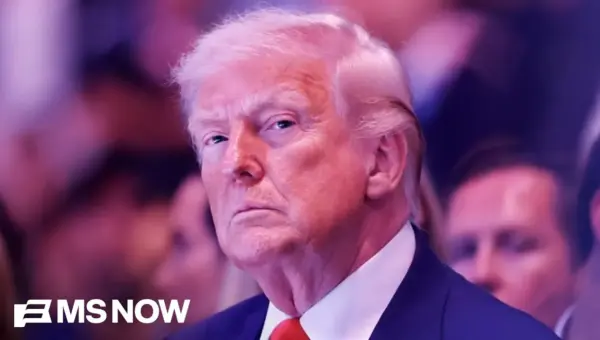
Trump’s AI Jesus Image Sparks Outrage Among Catholics
Donald Trump's recent AI-generated image of himself as Jesus Christ has triggered widespread outrage among Catholics and conservative Christians, with some calling the image "blasphemous." The controversy is compounded by Senator J.D. Vance's critical remarks about Pope Francis, further straining relations between political figures and the Vatican. Experts suggest the incident could unite Catholic leaders against Trump's actions and political rhetoric.
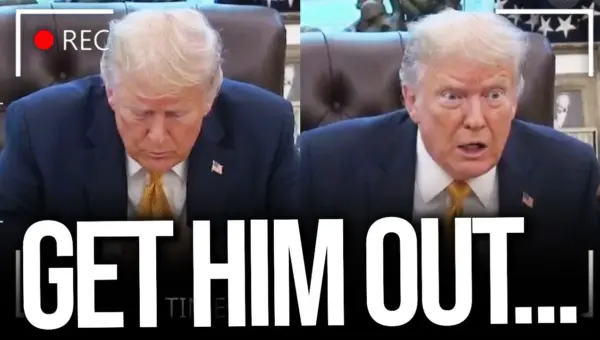
Democrats Push 25th Amendment Amid Trump’s Erratic Behavior Claims
Fifty House Democrats have introduced legislation to create a commission on presidential capacity, citing concerns over Donald Trump's alleged erratic behavior. The move aims to formally assess a president's fitness for office under the 25th Amendment.
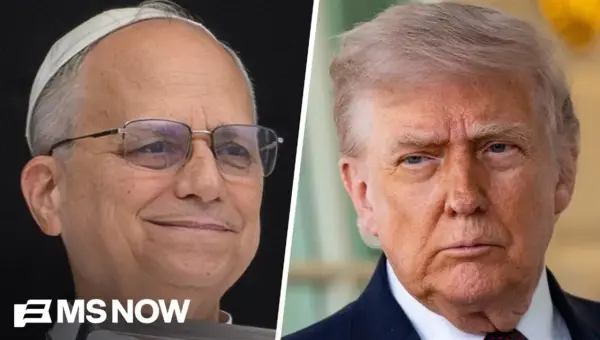
Trump’s Papal Attacks May Alienate Catholic Voters
Analysts suggest Donald Trump's recent attacks on Pope Francis could alienate Catholic voters, a group he previously held majority support from. Despite the Pope's high popularity, Trump continues his criticism, raising questions about his political strategy and its impact on his base.