Orbán’s Loss Proves Voters Can Reject Leaders Like Trump
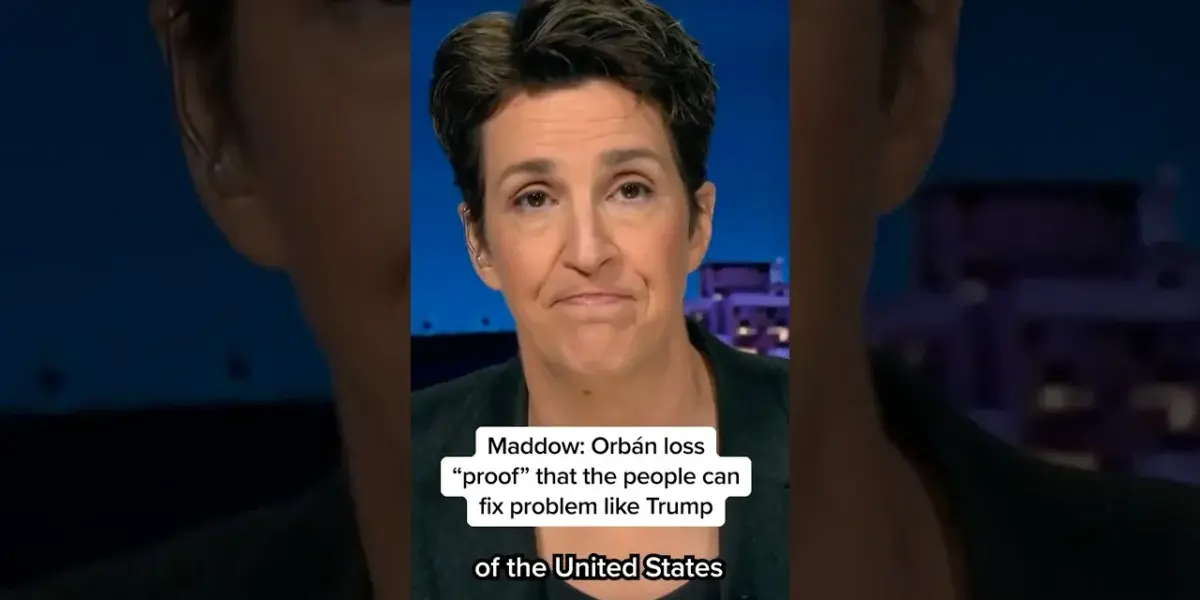
MSNBC's Rachel Maddow highlighted Viktor Orbán's recent election loss in Hungary, calling it proof that voters can reject leaders like Donald Trump. She emphasized the power of the electorate to address authoritarian tendencies through democratic means. The outcome offers a hopeful sign for democratic health globally.

Hungarian Election Signals Hope for Voters Facing Authoritarianism
Rachel Maddow, a prominent MSNBC host, drew a direct parallel between the recent defeat of Hungarian Prime Minister Viktor Orbán and the potential for voters to reject leaders with similar political styles, including former U.S. President Donald Trump. Orbán’s loss in a recent election, Maddow argued, serves as powerful evidence that citizens can effectively address and remove leaders who exhibit authoritarian tendencies.
Orbán’s Long Reign Ends Amidst Growing Discontent
Viktor Orbán, who had led Hungary for over a decade, faced a significant challenge in the latest election. His government has been characterized by policies that critics describe as increasingly anti-democratic and nationalistic. These policies have often involved consolidating power, controlling media narratives, and enacting measures that have strained Hungary’s relationship with other European Union members.
Maddow suggested that the election outcome was a clear message from the Hungarian people. They are seeking a change from Orbán’s leadership, which has been marked by a strongman approach. This sentiment, she believes, is not unique to Hungary and reflects a broader desire among electorates to hold leaders accountable.
Connecting Orbán’s Defeat to the American Political Scene
The core of Maddow’s analysis lies in her assertion that Orbán’s electoral defeat is a model for how voters can counteract leaders who undermine democratic norms. She explicitly linked Orbán’s situation to that of Donald Trump, implying that the mechanisms of democratic elections can serve as the ultimate check on political figures who may overstep their bounds or erode democratic institutions.
“The people can fix problems like this,” Maddow stated, referring to leaders like Orbán. “Like Viktor Orbán and like Donald Trump.” This statement suggests a belief that the power to change the political direction of a country rests with the electorate, even when faced with powerful and entrenched leaders.
The Power of the Vote in Challenging Strongman Politics
Maddow’s commentary highlights the fundamental principle of democracy: the power of the vote. In countries where democratic processes remain intact, elections offer a peaceful and legitimate way for citizens to express their will and to change their government. The Hungarian election, in this view, is a testament to this principle.
The implication is that voters in other nations, including the United States, have a similar capacity to address political leaders they deem problematic through the ballot box. This perspective offers a hopeful outlook for those concerned about the rise of populist and authoritarian-style politics around the globe.
Broader Implications for Democratic Health
The defeat of a long-standing leader like Orbán can have ripple effects beyond the country’s borders. It can embolden opposition movements in other nations and signal to incumbent leaders that their actions are subject to the scrutiny and judgment of the public. For international bodies like the European Union, it may offer an opportunity to reset relationships and reinforce democratic values.
Maddow’s remarks serve as a reminder that democratic systems, while sometimes appearing fragile, possess inherent resilience. The active participation of citizens in the electoral process is key to maintaining the health and integrity of these systems against challenges from within and without.
Looking Ahead: Voter Engagement and Political Accountability
The outcome in Hungary and Maddow’s interpretation of its significance underscore the ongoing importance of voter engagement. As political landscapes continue to evolve, the power of the electorate to hold leaders accountable through peaceful, democratic means remains a critical factor in shaping the future of governance. Observers will be watching closely to see if this trend of voters rejecting leaders perceived as authoritarian continues in other nations.
Source: Maddow: Orbán loss 'proof' that the people can fix problem like Trump (YouTube)

Related Articles


US Foreign Policy Stumbles Amidst Gaffes and Failed Diplomacy
Recent U.S. foreign policy has been marred by public gaffes and stalled negotiations with Iran. Critics question the administration's priorities and strategy, pointing to controversial remarks and inexperienced negotiating teams. Disturbing reports of child recruitment by Iran add to concerns about escalating regional conflict.


Trump Rages as Allies Shun His Iran Conflict
Reports indicate Donald Trump is furious as allies refuse to support his self-declared blockade of the Strait of Hormuz. The analysis suggests his increasingly contradictory statements and claims, like stopping 98.2% of drug imports, point to cognitive decline exacerbated by stress. This isolation and potential erratic decision-making pose significant global risks.


MAGA’s Big Government Gamble Shocks Voters
The Republican party's commitment to small government is being questioned as actions under the Trump administration show an embrace of large government intervention. The debate over healthcare subsidies and government shutdowns highlights a stark contrast in priorities, with potential long-term implications for American policy.