US Faces Naval Warfare Risk in Strait of Hormuz Blockade
The U.S. Navy faces significant risks in the Strait of Hormuz due to its current blockade strategy, according to retired General Barry McCaffrey. Conflicting reports emerge on the blockade's effectiveness, while Iran's strategic position and nuclear program remain central to ongoing international negotiations.

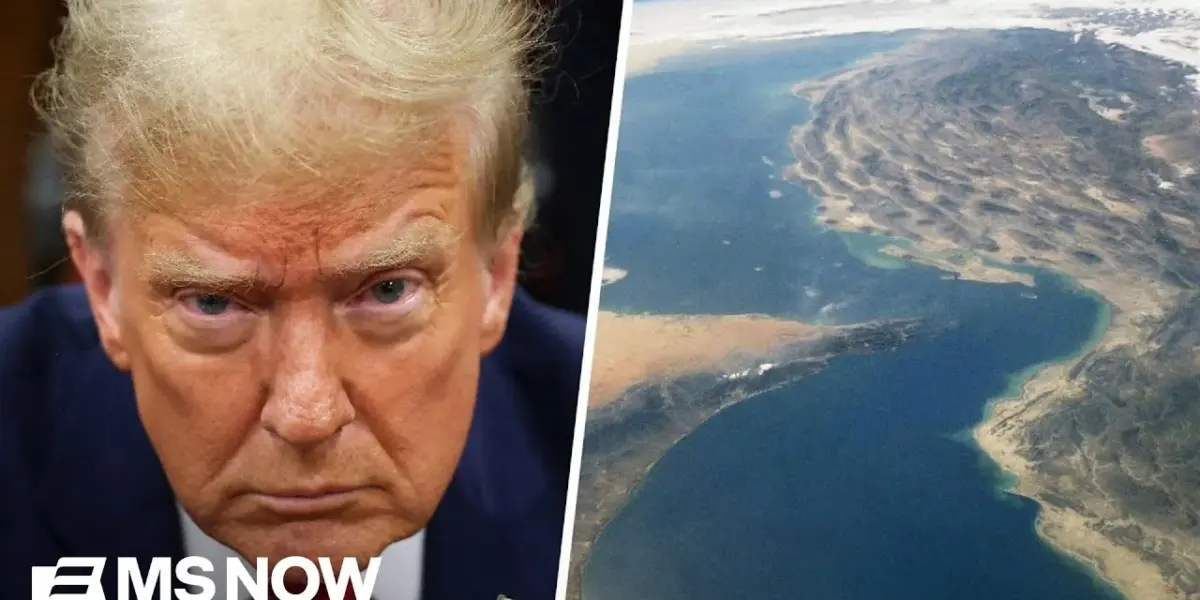
US Naval Strategy in Strait of Hormuz Sparks Concern
A recent U.S. military operation aimed at blockading Iranian ports has raised significant concerns among defense experts, particularly regarding the potential risks to naval warfare in the critical Strait of Hormuz. While the U.S. states its goal is to restrict Iranian maritime activity, retired four-star General Barry McCaffrey argues the current approach places the U.S. Navy in a “bad position for naval warfare.” The situation is complicated by conflicting reports on the blockade’s effectiveness and Iran’s ability to continue passage through the vital waterway.
Conflicting Reports Emerge on Blockade Effectiveness
Following over 24 hours of operation, conflicting information has surfaced regarding the U.S. blockade. U.S. Central Command (CENTCOM) reported that over 10,000 U.S. personnel, supported by warships and aircraft, were enforcing the blockade. They stated that in the first 24 hours, no ships successfully passed the blockade, and six merchant vessels were directed to turn back towards Iranian ports. However, shipping traffic data suggests a different reality, indicating at least four Iranian ships, including two bound for Iranian ports, crossed the Strait of Hormuz. Furthermore, three other vessels, notably a Chinese ship, also passed through the strait without interference from the U.S. Navy.
Iran’s Strategic Position and Nuclear Deal Standoff
The Strait of Hormuz is a crucial global chokepoint, with a significant portion of the world’s oil passing through it. Iran has previously threatened to disrupt shipping in this area, giving it potential leverage over the global economy. This strategic position complicates ongoing negotiations concerning Iran’s nuclear program. The U.S. is reportedly pushing for a 20-year suspension of Iran’s nuclear activities, while Iran counters with a demand for only a three-year pause. Experts question why the U.S. would grant Iran any leeway on its nuclear program, especially when such a program could allow it to restart nuclear activities, potentially crossing red lines set by former President Trump.
Debate Over Nuclear Deal Strategy and ‘Sunset Clauses’
The current U.S. administration’s approach to the Iran nuclear issue has drawn scrutiny. While previously declaring Iran’s nuclear program had been “totally obliterated,” the administration is now reportedly floating a new agreement that would pause Iran’s nuclear activities for 20 years, likely including a “sunset clause” – a date after which restrictions expire. This strategy echoes the approach of the Obama administration’s Joint Comprehensive Plan of Action (JCPOA), which included 12 and 15-year sunset clauses. Some analysts believe this is a gamble that the Iranian regime might weaken or collapse before the sunset dates, a hope that proved unfounded in the past.
“The Iranians are in no mood to give away anything to the United States as long as they have a potential stranglehold over the global economy by at least partial control over the Strait of Hormuz.”
Broader Geopolitical Tensions and Proxy Conflicts
Beyond the nuclear program and the Strait of Hormuz, broader geopolitical tensions persist. The U.S. military’s strategy in the region is seen by some as lacking clear strategic objectives, leading to a “pinballing” approach. This is further complicated by other regional conflicts, such as the ongoing tensions between Israel and Hezbollah in Lebanon. While Israel and Lebanon have engaged in historic, albeit fragile, talks facilitated by the U.S., Israeli strikes into Lebanon, targeting Hezbollah strongholds, continue even during ceasefires. These actions have caused significant civilian casualties and displacement, highlighting the complex and interconnected nature of conflicts in the Middle East.
What’s Next in the Strait of Hormuz?
The coming days will be crucial in determining the effectiveness of the U.S. blockade and its impact on regional stability. Continued conflicting reports on shipping traffic will need clarification, and the U.S. will face pressure to define its strategic objectives more clearly. The ongoing nuclear negotiations, coupled with the volatile situation in the Strait of Hormuz and proxy conflicts, suggest a period of heightened tension and uncertainty in the Middle East.
Source: Blockade in Strait of Hormuz puts U.S. in 'bad position for naval warfare': 4-star General (YouTube)

Related Articles


US Foreign Policy Stumbles Amidst Gaffes and Failed Diplomacy
Recent U.S. foreign policy has been marred by public gaffes and stalled negotiations with Iran. Critics question the administration's priorities and strategy, pointing to controversial remarks and inexperienced negotiating teams. Disturbing reports of child recruitment by Iran add to concerns about escalating regional conflict.

Trump Rages as Allies Shun His Iran Conflict
Reports indicate Donald Trump is furious as allies refuse to support his self-declared blockade of the Strait of Hormuz. The analysis suggests his increasingly contradictory statements and claims, like stopping 98.2% of drug imports, point to cognitive decline exacerbated by stress. This isolation and potential erratic decision-making pose significant global risks.

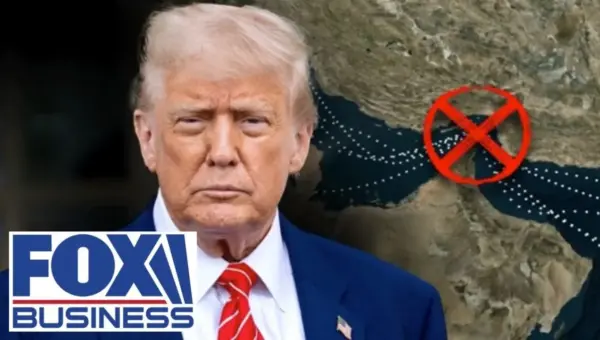
US Holds Military Edge Over Iran, Analyst Says
The U.S. holds a significant military advantage over Iran, with diplomatic pressure and troop deployments aimed at curbing Tehran's nuclear ambitions. Analysts believe this posture is pushing Iran towards capitulation, leading to a drop in oil prices and easing supply concerns.