War Bets Spark Outrage: Insider Trading in the Shadow of Conflict
Revelations of individuals potentially profiting from war through online betting platforms and alleged insider information have sparked outrage. The situation highlights concerns about corruption, governmental competence, and the ethical implications of profiting from conflict, while veterans fight to protect their essential benefits.

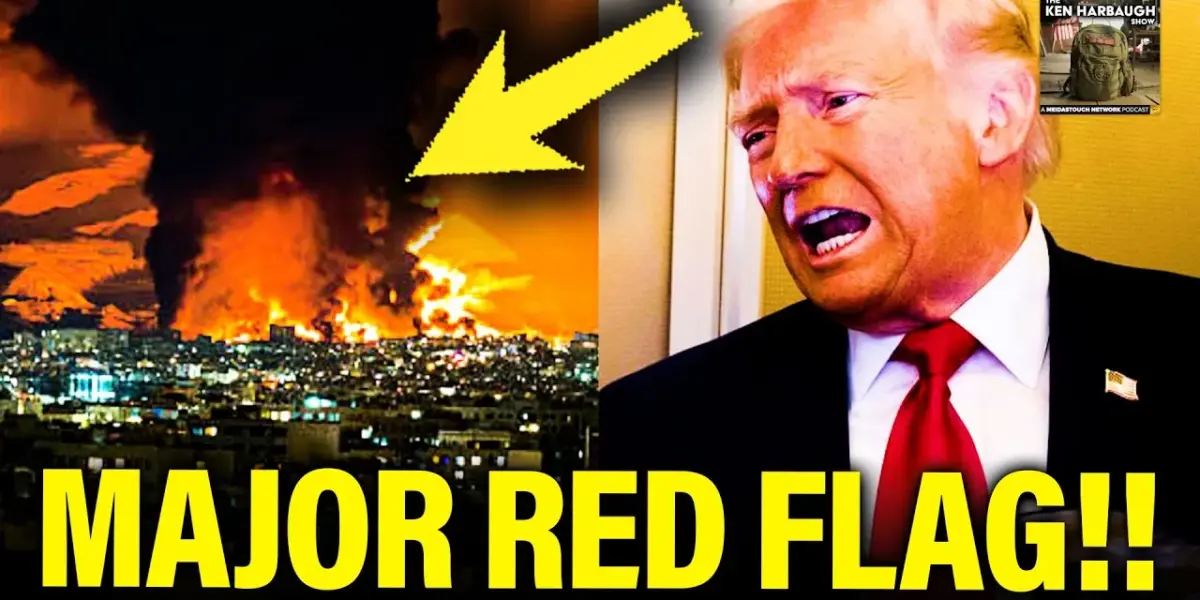
War Bets Spark Outrage: Insider Trading in the Shadow of Conflict
The recent deadly American strikes have ignited a firestorm of controversy, not just for their geopolitical implications, but for the disturbing revelations of individuals potentially profiting from the conflict. Online prediction platforms, like Polymarket, have become the unlikely stage for a new form of insider trading, where hundreds of thousands of dollars were won by a select few bettors who predicted the timing of the strikes with uncanny accuracy.
A Calculated Gamble on Conflict
More than a dozen anonymous accounts placed bets predicting that the United States would strike Iran by Saturday, February 28th. The majority of these wagers were placed in the hours immediately preceding the first bombs, and many of the accounts were created mere days before. This timing has led to serious questions about whether these bettors were merely lucky or possessed prescient information, potentially linked to the decision-making process behind the military action.
“War has always been a way for the few to profit off the misery of the many. But when entire industries depend on the perpetuation of that misery, it becomes a kind of feedback loop.”
As Ken Harbaugh of the Midas Touch Network observes, the concept of profiting from war is as old as conflict itself. President Eisenhower famously warned of the military-industrial complex, a system where profit motives can drive perpetual conflict. However, the emergence of betting markets as a potential avenue for such profit is a new and deeply unsettling development, one that Eisenhower could scarcely have predicted.
The MAGA Connection and Political Ties
Adding another layer of intrigue, one of the most significant winners on Polymarket operated under the account name “MAGA, my man.” This individual reportedly placed $87,000 on a war with Iran just 71 minutes before the first strike, netting a staggering $515,000. This revelation has drawn considerable attention to Polymarket’s political connections. Donald Trump Jr., son of the former president, is a strategic advisor to the company and has also invested in the platform.
Veterans Bear the Burden, Others Reap the Rewards
The stark contrast between those who bear the physical and emotional scars of war and those who stand to gain financially is a central theme in discussions surrounding these events. Chris Goldsmith, an Army combat veteran and founder of Veterans Fighting Fascism, highlights this moral chasm. He points out that beyond the direct financial gains from betting, the defense industry inevitably sees a surge in share prices following military engagements.
Goldsmith expresses profound dismay at the idea that individuals with potential proximity to high-level decision-making could profit from war in real-time. “The idea that people in the minutes before the decision to commit Americans to war would be making money off of it in that moment, that is a new psychic mind f,” he states, emphasizing the demoralizing effect such knowledge could have on service members heading into harm’s way.
Whispers from the White House Adjacent
Further fueling suspicions of insider information, a story emerged about a TMZ podcast host who, according to the report, overheard conversations about the impending strike at a restaurant mere blocks from the White House. The podcast was reportedly recorded and released before the attack was public knowledge, suggesting that information about the war’s launch was circulating among individuals in proximity to the Trump administration before it reached the American public or Congress.
This alleged leak of classified information, if true, is considered a grave offense. The proximity of the restaurant to the White House, coupled with the nature of the overheard conversation, raises questions about how such sensitive planning details could be discussed so casually and potentially leaked. The report suggests that law enforcement, such as the FBI, could investigate such incidents, particularly given the availability of surveillance footage.
The Corrosive Influence of Tech and Corruption
The transcript touches upon the broader implications of emerging technologies like AI and cryptocurrency, suggesting they can exacerbate corruption by making it easier for individuals to bet on and potentially influence future events. The ability to profit from foreknowledge of a military strike is presented as a prime example of this “blatantly corrupt” intersection of technology, insider information, and national security.
The concern is that such practices undermine public trust and create an uneven playing field, where personal gain can be prioritized over national interest and human lives. The hope is expressed that future administrations will be more inclined to investigate and prosecute such instances of potential corruption.
Incompetence and the Erosion of Security
The discussion pivots to concerns about incompetence within governmental bodies, particularly the Department of Homeland Security (DHS) and the FBI, under a potential Trump administration. The argument is made that a focus on loyalty over competence, with individuals in key positions lacking relevant experience, can lead to significant national security vulnerabilities.
Examples cited include the dismissal of FBI agents with specific knowledge of Iran and the appointment of young, ideologically aligned bloggers to critical counterterrorism roles. This alleged incompetence is linked to potential failures in protecting personnel, as suggested by warnings regarding a headquarters in Kuwait that was reportedly hit. The broader concern is that an administration prioritizing political alignment over expertise will inevitably create a less secure environment, both domestically and abroad.
The Fascist Playbook and Domestic Crackdowns
Drawing on historical parallels, the transcript suggests that a “fascist playbook” involves using foreign conflicts to justify domestic crackdowns. The potential for increased American casualties abroad and attempted terrorist attacks within the U.S. is raised, with the assertion that the nation is becoming more defenseless due to a misallocation of law enforcement resources. Instead of focusing on genuine threats, the argument goes, resources are being diverted to surveil and potentially target specific communities, particularly immigrants.
The narrative also touches upon the threat of Iranian-backed “death squads” operating within the U.S., targeting Iranian journalists. While acknowledging that the FBI has intervened in some instances, the underlying concern is that a focus on domestic political agendas distracts from effectively countering foreign threats and protecting citizens.
A Victory for Veterans: Protecting Disability Benefits
On a more positive note, the conversation highlights a significant victory for veterans. The Department of Veterans Affairs (VA) attempted to implement a rule that would have changed how disability benefits are calculated. The proposed rule would have based compensation on a veteran’s condition after medication, effectively penalizing those who are managing their conditions and showing improvement.
This change would have had catastrophic consequences, potentially leading veterans to forgo necessary treatment to maintain their financial stability. The rule was seen as a direct attack on disabled veterans, forcing them to choose between their health and their ability to provide for their families. The transcript details how veterans’ organizations and the broader veteran community mobilized to fight this proposed change, demanding that benefits be based on the severity of their conditions, not their ability to function on a given day.
Despite initial attempts by officials to dismiss the concerns as “fake news” or to suggest the rule would not be enforced, the united outcry from veterans forced the administration to withdraw the rule. However, the fight is not entirely over, as the administration is reportedly appealing a court decision that could have a similar effect, highlighting the ongoing need for vigilance in protecting veterans’ benefits.
Why This Matters
The revelations about war betting and the alleged leaks of classified information before military strikes are deeply concerning. They suggest a potential for insider trading on a scale previously unimagined, where individuals with privileged access to information can profit from geopolitical events. This raises critical questions about the integrity of decision-making processes, the potential for conflicts of interest, and the ethical implications of financial markets being influenced by imminent warfare.
The discussion about incompetence within national security apparatus and the potential for foreign threats to be exacerbated by domestic political priorities is a stark warning. The narrative highlights the critical importance of experienced leadership, sound judgment, and a focus on genuine security threats rather than partisan agendas. The ongoing struggle to protect veterans’ benefits also highlights the vulnerability of those who have served and the need for continued advocacy to ensure they receive the support they deserve.
Implications, Trends, and Future Outlook
The convergence of advanced technology, prediction markets, and geopolitical instability presents a complex challenge. The trend towards online betting on political and military events is likely to continue, requiring robust regulatory frameworks to prevent manipulation and insider trading. The potential for foreign adversaries to exploit these markets also poses a national security risk.
The concerns raised about governmental competence and the politicization of national security agencies are significant. If these trends persist, the U.S. could face increased vulnerability to both foreign threats and domestic instability. The outcome of ongoing legal battles regarding veterans’ benefits will also have far-reaching implications for millions of individuals and families who rely on these crucial support systems.
Historical Context
The concept of profiting from war has a long history, from the arms manufacturers of previous centuries to the modern defense industry. President Eisenhower’s warning about the military-industrial complex in 1961 is a foundational text for understanding the inherent tension between national security and private profit. The current situation, however, introduces a new dimension with the direct involvement of prediction markets and the potential for immediate, individual financial gains tied to the timing of military actions.
The historical context of foreign policy decisions, particularly concerning the Middle East, is also relevant. Decades of complex relations and conflicts have created a volatile environment where events can escalate rapidly. The transcript also draws on the historical understanding of “fascist playbooks,” which often involve leveraging external threats to consolidate power and justify internal repression, a pattern that critics fear could be replicated.
Conclusion
The allegations of insider trading on war bets and the broader concerns about competence and corruption paint a troubling picture. While a victory was achieved in protecting veterans’ benefits, the underlying issues of ethical conduct, national security, and the potential for exploitation in times of conflict remain pressing. The need for transparency, accountability, and robust oversight in both financial markets and governmental decision-making has never been more critical.
Source: WTF: Trump Insider CASHES IN off WAR BET?! (YouTube)

Related Articles
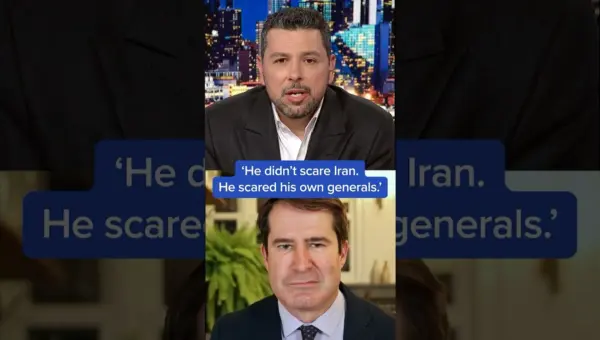
Generals Feared President’s Decisions, Not Iran, Says Ex-Lawmaker
Former Congressman Seth Moulton stated that President Trump's generals were more concerned about the president's reactions than Iran. He described them as trying to "hide the remote" and "clear the room." This suggests military leaders felt they needed to manage the president's decisions.

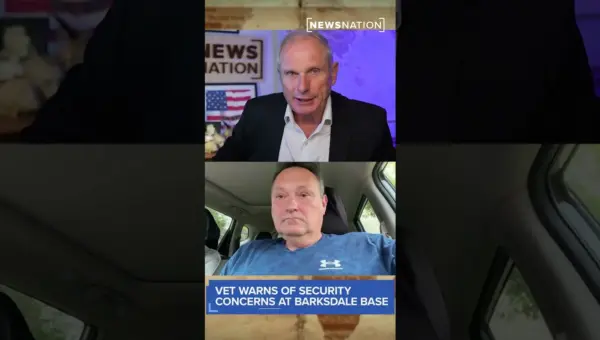
Veteran Sounds Alarm: Barksdale Base Faces Top-Tier Terror Threat
A veteran voices grave concerns over security at Barksdale Air Force Base, a known terrorist target. Recent drone incursions reportedly overwhelmed ineffective counter-drone technology. The base's vulnerability poses a high national security risk.


GOP Demands Answers on Vanishing Scientists, Mysterious Deaths
House Republicans are demanding answers from top U.S. agencies regarding the mysterious deaths and disappearances of nearly a dozen scientists and personnel with access to sensitive nuclear and rocket technology since 2022. Concerns about potential foreign interference are high as lawmakers call for briefings and threaten subpoenas.