War Fuels Oil Surge: Prices Top $100, Economic Pain Looms
Escalating Middle East conflict has sent oil prices soaring above $100 a barrel, disrupting global energy supplies and threatening wider economic fallout. Experts warn of escalating costs for transportation, groceries, and more, directly impacting consumers' pocketbooks.

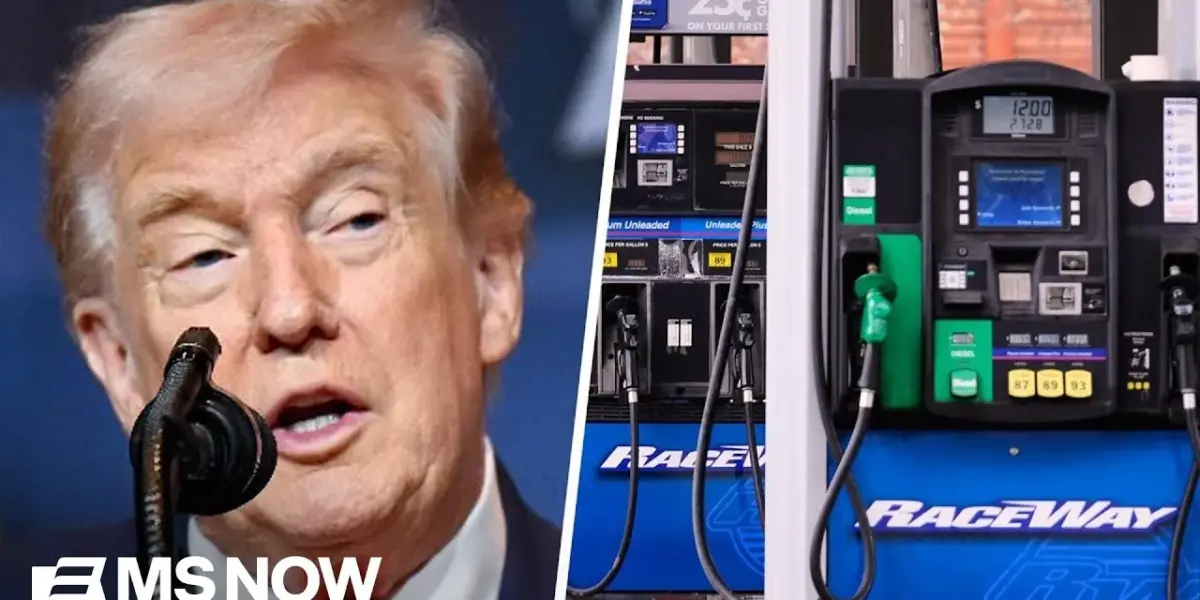
Oil Prices Skyrocket Amidst Middle East Conflict
Global oil prices have surged past $100 a barrel as tensions escalate in the Middle East, with approximately 20% of the world’s energy supply now facing disruption. Shipping through the critical Strait of Hormuz has ground to a near halt, pushing the market into what analysts are calling “uncharted territory.” Some experts warn that oil prices could climb as high as $200 a barrel if the conflict intensifies.
Economist Warns of Escalating Economic Fallout
Jared Bernstein, former Chair of the Council of Economic Advisers, expressed concern over the escalating economic impacts, stating, “It’s bad and it’s likely to get worse.” He directly challenged optimistic assessments from officials like Energy Secretary Chris Wright, who downplayed long-term concerns, suggesting the elevated prices were a temporary, emotional reaction. Bernstein countered, “No, this is real. This is a pocketbook issue.”
“What you’re seeing is emotional reactions and fear that this is a long-term war. This is not a long-term war. It’s a temporary movement.” – Energy Secretary Chris Wright (as quoted in transcript)
Bernstein criticized this view, emphasizing that the current situation is far from temporary and is already affecting consumers directly. He highlighted that the economic fallout extends beyond just gasoline prices at the pump.
“If you think about jet fuel, if you think about transportation costs, the trucks that bring goods to markets, if you think about fertilizer, energy is actually an important component in fertilizer. And that means grocery prices will face pressures as well,” he explained.
Historical Parallels and Strategic Reserves
The current energy shock is being compared to major disruptions in market history, with some publications labeling it the “largest oil disruption in market history” and the “most severe shock to energy markets since the 1970s.” Bernstein provided historical context, noting that oil prices previously peaked around $120 a barrel following Russia’s invasion of Ukraine, leading to gas prices as high as $5 a gallon.
The discussion turned to the Strategic Petroleum Reserve (SPR) as a potential tool to mitigate the crisis. Bernstein expressed surprise that the administration had not yet considered utilizing it.
However, he cautioned that the SPR’s effectiveness might be constrained, as it is currently just over half full. He detailed the complex process of releasing oil from the reserve, which involves government bidding for contracts with private producers and refiners, a process that can take “weeks, if not months.”
Bernstein also pointed to potential resistance from U.S. Oil companies, who are benefiting from higher prices and may view the SPR as unfair competition. “They view that as unfair government competition.
And those folks are allies of the president. So they may be pushing against that as well,” he noted.
Broader Economic Turmoil and Administration’s Role
Beyond the immediate energy crisis, Bernstein addressed broader economic concerns, including a jittery stock market and a recent disappointing jobs report. He argued that the Trump administration’s policies have significantly contributed to the current economic instability.
“The president doesn’t have that much to do with the economy, at least in normal times,” Bernstein stated, “but in this case, what I’m seeing from the Trump administration is just an endless series of own goal kicks.” He cited policies such as tariffs, sweeping deportations, and layoffs of government workers as actions creating “economic havoc and displacement and raising prices when the thing that people are most concerned about is affordability.”
“In every case, this is creating economic havoc and displacement and raising prices when the thing that people are most concerned about is affordability.” – Jared Bernstein
Bernstein concluded that the president has a substantial impact on the economy, and many of his decisions are working against the American consumer, creating a “very troubling situation.”
Looking Ahead
As the conflict in the Middle East continues to unfold, the duration of the oil supply disruption remains the most critical factor determining the extent of the economic impact. The effectiveness of potential government interventions, such as the use of the Strategic Petroleum Reserve, and the administration’s broader economic policy decisions will be closely watched in the coming weeks and months.
Source: Economic effects of war with Iran 'are already here' and expected to escalate: Economist (YouTube)

Related Articles


Karoline Levit Dodges Reality on Iran and Election Woes
Karoline Levit's public statements on Iran's actions and election outcomes appear to diverge from factual reporting, creating confusion. The analysis explores how these narratives clash with reality and the implications for public trust and democratic discourse.
Iran and US in Standoff: No Talks Seen, Escalation Possible
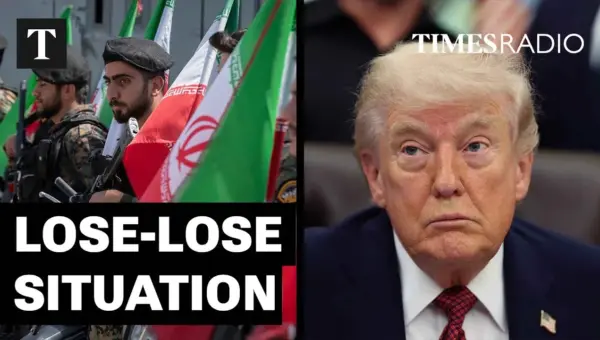
Neither Iran nor the United States is currently ready for serious negotiations, according to diplomatic and political experts. Both nations are focused on gaining leverage, creating a lose-lose situation. While one side believes the US is winning through economic pressure and military strategy, the other views it as a series of losses for both parties, with the urgent need to reopen the Strait of Hormuz.


Iran Attacks Ships, Virginia Redistricting Sparks Political Firestorm
Iran has launched new attacks on ships in the Strait of Hormuz, disrupting peace talks with the U.S. Meanwhile, Virginia voters approved a redistricting plan that could shift the balance of power in Congress. Tense hearings on Capitol Hill saw President Trump's Federal Reserve nominee questioned, and Health Secretary Robert F. Kennedy Jr. faced scrutiny over vaccines.