Egypt’s Darkest Myths Revealed: From Ghouls to Cannibal Gods!
Dive into the chilling depths of ancient Egyptian mythology, where gods battled monsters, souls faced judgment, and creation itself was born from bizarre rituals. This exploration uncovers the darkest and most fascinating tales from Egypt's rich past, from cannibal gods to spectral sirens.

Egypt’s Darkest Myths Revealed: From Ghouls to Cannibal Gods!
Ancient Egypt, a civilization steeped in mystery and grandeur, also harbored a pantheon of gods and creatures whose tales are as terrifying as they are fascinating. Beyond the golden pyramids and hieroglyphic inscriptions lies a world of dark myths, cautionary tales, and primal fears. From the grisly dismemberment of Osiris to the bloodthirsty cannibalism of Khonsu, these stories offer a chilling glimpse into the ancient Egyptian psyche and their understanding of life, death, and the cosmos.
10. The Sacred Cat Mummies: Offerings to the Divine
The reverence for felines in ancient Egypt extended to the afterlife. The practice of mummifying cats, often found in vast numbers alongside their human companions, served multiple purposes.
These mummified creatures were not merely pets preserved for eternity; they were often designated as offerings to the goddess Bastet, the divine protector of cats, or intended to aid the deceased in communicating with the spiritual realm. The discovery of new tombs, potentially holding more feline remains, hints at even deeper secrets waiting to be unearthed.
9. The Dismemberment of Osiris: A Cycle of Betrayal and Rebirth
At the heart of Egyptian mythology lies the tragic yet pivotal myth of Osiris. Murdered and dismembered by his jealous brother Set, Osiris’s body was scattered across Egypt.
His devoted wife, Isis, embarked on a desperate quest to collect his fragmented form, ultimately succeeding in resurrecting him. This act not only symbolized eternal marital love but also established the concept of the underworld and the cyclical nature of death and rebirth, a crucial tenet for those seeking immortality.
8. Sobek’s Punishment: The Origin of the Silent Crocodile
Sobek, the fearsome crocodile-headed god of war and protection, is associated with a particularly gruesome tale. According to legend, Sobek consumed a piece of Osiris’s scattered body.
As punishment, the gods tore out his tongue, explaining the belief that crocodiles possess no such organ. This myth highlights the Egyptians’ deep respect and fear for the powerful creatures of the Nile.
7. El Nadaha: The Siren of the Nile
Echoing the sirens of Greek mythology, El Nadaha is a spectral water spirit whose haunting voice lures unsuspecting men to their doom in the Nile River. This cautionary tale served to instill a healthy respect for the life-giving yet perilous nature of the Nile, a body of water that profoundly shaped ancient Egyptian civilization. Even today, whispers of her calls on quiet nights persist, a chilling reminder of the river’s enduring mystique.
6. Omea El Gula, The Mother of Ghouls: A Parental Threat
Similar to the Slavic Baba Yaga, Omea El Gula, or the Mother of Ghouls, is a terrifying figure in Egyptian folklore, preying on disobedient children who wander too far or trust the wrong strangers. This myth served as an effective tool for parents to ensure their children’s safety and compliance, a timeless method of parental persuasion.
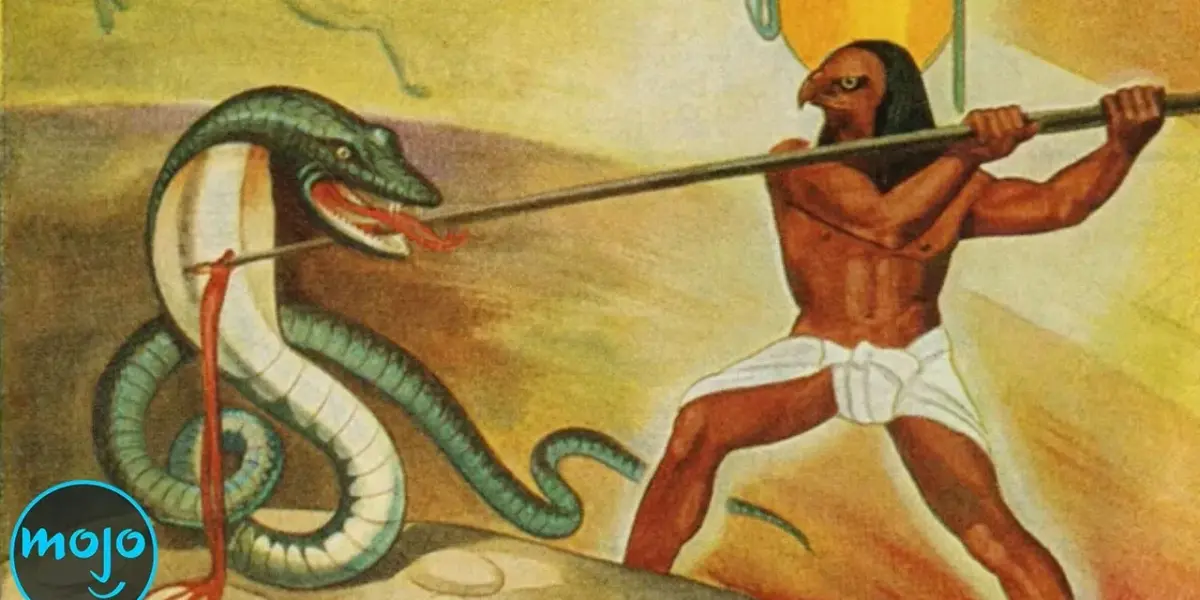
5. Ra vs. Apep: The Eternal Battle for the Sun
The daily rising and setting of the sun were explained through the epic nightly struggle between Ra, the sun god, and Apep, a colossal serpent representing chaos. Apep’s constant attempts to swallow Ra threatened to plunge Egypt into eternal darkness.
When Apep was temporarily successful, celestial defenders like Set and Bastet would intervene, cutting open the serpent to free Ra. These rare occasions are believed to be the origin of solar eclipses.
4. Ammit, Eater of the Dead: The Devourer of Unworthy Hearts
In the Egyptian underworld, the Duat, the fate of the soul was decided in a judgment ceremony presided over by Osiris. Here, Ammit, a monstrous composite creature with the head of a crocodile, the body of a lion, and the hindquarters of a hippopotamus, awaited the unworthy. If a soul’s heart was found to be heavier than the feather of Ma’at (truth), Ammit would devour it, condemning the soul to oblivion.
3. Atum’s Biological Children: Creation Through Gross Acts
The creation myths of ancient Egypt are as bizarre as they are profound. The primordial god Atum, existing in the dark chaos before time, is said to have created the first deities, Shu and Tefnut, through rather unseemly methods.
One account describes Atum conceiving them through masturbation, while another involves spitting them out. These tales, while unsettling, symbolize the universe’s emergence from a solitary, self-sufficient source.
2. Celestial Rebirth: The Divine Family Saga
The myth of Osiris and Isis takes a complex turn with the revelation of their sibling relationship. Their posthumous union resulted in the birth of Horus, who would eventually avenge his father by defeating Set and claiming the throne of Egypt. This story of incest, death, resurrection, and divine lineage highlights the intricate and often taboo-filled relationships within the Egyptian pantheon, culminating in the establishment of pharaonic rule.
1. Khonsu, The Cannibal God: The Dark Side of the Moon
Khonsu, the moon god, is perhaps best known to modern audiences through his portrayal in Marvel’s Moon Knight. However, ancient texts reveal a darker aspect to this deity.
Old Kingdom inscriptions depict Khonsu as a celestial cannibal, a bloodthirsty god who devoured the hearts of other deities to satiate his unquenchable thirst for death. This brutal imagery highlights the complex and often violent nature of ancient Egyptian religious beliefs.
These myths, filled with betrayal, violence, and the supernatural, offer a compelling narrative of ancient Egyptian beliefs about life, death, and the very fabric of existence. They continue to captivate and disturb, reminding us of the enduring power of mythology to explore the darkest corners of the human (and divine) experience.
Source: Top 10 Creepiest Egyptian Myths (YouTube)

Related Articles

Roman Myths That Will Haunt Your Dreams
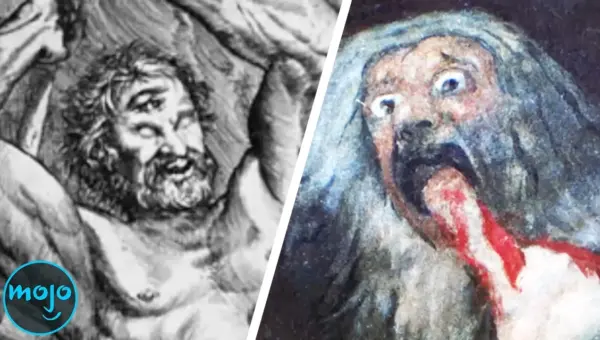
Ancient Roman myths are filled with tales of divine wrath, horrific punishments, and unsettling family drama. From Sisyphus's eternal torment to Saturn's cannibalistic reign, these stories reveal a darker side of Roman culture. Explore ten of the most disturbing myths that continue to haunt our imagination.


Invincible Finale Leaves Mark Facing Grim Future
The Invincible season finale plunges Mark into a battle against himself and the looming Viltromite threat. With devastating twists and grim revelations, the episode leaves humanity's future uncertain.


Clayface Trailer Unleashes Horror and Mystery
The first trailer for DC Studios' "Clayface" has arrived, showcasing a dark, horror-infused take on the iconic Batman villain. The film draws inspiration from "Batman: The Animated Series" and classic horror cinema, blending gritty storytelling with stunning visuals. Its late October release date positions it as a major genre event, sparking excitement and debate about its place in the DC universe.