GOP Senators Urge Illegal Tax Cuts for the Wealthy
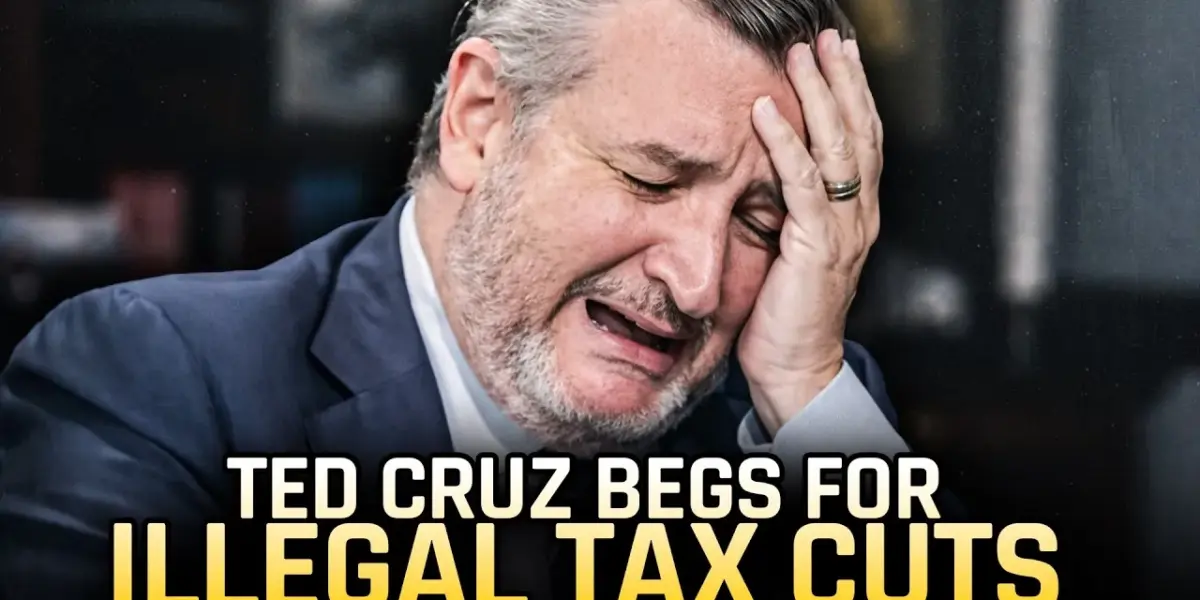
Republican Senators Ted Cruz and Tim Scott are reportedly urging the Treasury Department to illegally cut capital gains taxes, a move that critics say primarily benefits the wealthy and bypasses Congress. This action is framed as a desperate attempt to win back voters ahead of the midterm elections.

GOP Senators Urge Illegal Tax Cuts for the Wealthy
In a move that has sparked significant controversy, Republican Senators Ted Cruz and Tim Scott have reportedly penned a letter to the U.S. Treasury Department, urging them to unilaterally reduce capital gains taxes. This action, which critics argue oversteps the Treasury’s legal authority and primarily benefits the wealthiest Americans, comes at a critical juncture for the Republican party as they face challenging midterm elections. The proposal, if enacted, would represent another attempt to provide substantial financial relief to the affluent, a strategy that has become a hallmark of recent Republican economic policy.
The Core of the Proposal: Capital Gains Tax Reduction
The central tenet of Senator Cruz and Senator Scott’s appeal to the Treasury is a request to lower capital gains taxes. Capital gains taxes are levied on the profit realized from the sale of an asset, such as stocks, bonds, or real estate, that has appreciated in value.
While individuals across the economic spectrum can realize capital gains, the vast majority of these gains are accrued by the top 1% of income earners. The senators’ letter suggests that the Treasury could implement this reduction without congressional approval, a claim that legal experts and political opponents have vehemently challenged.
Allegations of Illegality and Executive Overreach
The most contentious aspect of this initiative is the assertion that it constitutes an illegal act. The U.S. Constitution grants Congress the “power of the purse,” meaning that only the legislative branch has the authority to levy and alter taxes. The Treasury Department, an executive agency, is responsible for implementing tax laws as passed by Congress, not for unilaterally creating or modifying them.
Critics contend that by asking the Treasury to reduce capital gains taxes, Cruz and Scott are advocating for an action that lies outside the executive branch’s constitutional mandate. This alleged executive overreach is being framed by opponents as a blatant disregard for the established separation of powers.
Historical Context: A Pattern of Tax Cuts for the Wealthy
This recent proposal is not an isolated incident but rather appears to be part of a broader, long-standing Republican strategy to prioritize tax reductions for corporations and high-net-worth individuals. The Tax Cuts and Jobs Act of 2017, for example, made significant permanent tax cuts for corporations and also reduced individual income tax rates, with a disproportionate share of the benefits flowing to higher earners. The transcript references a “one big beautiful bill last summer” that made permanent $3 trillion in tax cuts for the wealthy elite, suggesting a continuous effort to legislate or advocate for policies that favor the affluent, even when congressional consensus is difficult to achieve.
Political Ramifications: Midterms and Economic Messaging
The timing of this proposal is particularly noteworthy, given the upcoming midterm elections. With Republicans anticipating significant challenges at the polls, this move is seen by some as an attempt to shore up support among their base and potentially sway undecided voters.
However, opponents argue that this strategy risks alienating a broader electorate that is primarily concerned with economic issues affecting their daily lives, such as inflation, wages, and job security. The argument is that voters, when faced with economic hardship, are more likely to scrutinize policies that appear to benefit the wealthy at the expense of the general public.
The Democratic Response and Campaign Strategy
Democrats have quickly seized on the senators’ letter as potent campaign fodder. The implication is that this action underscores a fundamental difference in economic priorities between the two parties. The strategy proposed by Democrats is to make the Republican party’s focus on tax cuts for the wealthy a central theme in their campaign messaging.
By highlighting what they perceive as an inequitable distribution of economic benefits, Democrats aim to mobilize voters who feel left behind by current economic conditions and who may see Republican policies as exacerbating these disparities. The argument is that voters will ultimately cast their ballots based on their economic well-being and their perception of which party is fighting for their financial interests.
Why This Matters
This situation highlights a critical debate about economic policy, fairness, and the role of government. The alleged attempt by senators to use executive channels to enact tax policy, bypassing Congress, raises serious questions about democratic processes and the balance of power.
It brings to the forefront the ongoing discussion about wealth inequality and whether tax policies should be designed to provide greater benefits to those who are already financially secure. The implications extend beyond immediate political gains or losses; they touch upon the foundational principles of how a society should distribute its economic resources and who should benefit from government action.
Implications, Trends, and Future Outlook
The trend of advocating for tax cuts for the wealthy, particularly through executive means when legislative avenues are blocked, could signal a shift in political strategy. If successful, it might encourage other administrations or congressional factions to explore similar executive actions to circumvent legislative gridlock on economic issues. Conversely, if this approach faces significant legal challenges or public backlash, it could serve as a deterrent.
The future outlook depends heavily on the legal outcomes and the public’s response. It highlights the persistent tension between different economic philosophies – one that prioritizes supply-side incentives through tax reductions for capital owners, and another that focuses on broader income equality and social safety nets. The debate over who truly benefits from tax policy and how it impacts the majority of citizens is likely to remain a central theme in American politics.
The actions of Senators Cruz and Scott, as described, point to a party grappling with its electoral standing and resorting to a familiar, albeit controversial, policy prescription. The core of the issue lies not just in the substance of the proposed tax cuts but in the method by which their proponents suggest they be implemented.
This raises profound questions about the separation of powers and the integrity of democratic institutions. As the midterms approach, the economic well-being of the average American is likely to be the decisive factor at the ballot box, and the perception of who these policies serve will be paramount.
Source: Ted Cruz BEGS Treasury To Illegally Cut Taxes For Millionaires (YouTube)

Related Articles


Democrat Flips NJ Seat, Shrinking GOP House Majority
Democrat Analilia Mejia won a special election in New Jersey, taking Mikie Sherrill's former House seat. Her victory narrows the Republican majority in Congress. Mejia campaigned on progressive policies, while her opponent focused on economic issues.

Trump’s Iran Deal Sparks GOP Division, Fuels Democratic Fire
Donald Trump's Iran strategy is creating significant division, with some Republicans praising his actions while Democrats and others criticize a perceived strengthening of Iran. The debate extends to domestic policies, with Democrats highlighting economic struggles and conditions at immigration detention centers. These contrasting viewpoints are shaping the political discourse leading up to upcoming elections.


Trump’s War on the Pope: A Risky Gamble for Catholics
Donald Trump's recent criticism of Pope Francis risks alienating Catholic voters, a key demographic for Republicans. Meanwhile, experts describe the ongoing Middle East conflict as a "colossal disaster," with Iran consolidating influence and geopolitical alliances shifting. This dual approach appears to be a risky gamble driven by political desperation and a flawed strategy.