Israel-Hezbollah Ceasefire Holds Tensely Amid Regional Uncertainty
A tense ceasefire between Israel and Hezbollah is in effect, but significant questions remain about its long-term viability and the broader regional implications. Developments concerning the Strait of Hormuz and conflicting diplomatic narratives highlight the fragility of the current situation. Upcoming U.S.-Iran talks will be crucial in determining the next steps.


Ceasefire Takes Hold, But Tensions Remain High
A fragile ceasefire between Israel and Hezbollah has taken effect, bringing a temporary halt to intense fighting. The agreement, now in its second day, has led to quiet in Beirut after significant strikes. However, the situation remains highly tense, with Israeli forces still occupying a large part of southern Lebanon and reports of shelling persisting in certain areas.
Hezbollah has stated its commitment to observing the ceasefire, but with a stark warning: they have their “finger on the trigger.” This indicates a readiness to respond to any perceived threat. The ceasefire’s effectiveness is further complicated by Israel’s reservation of the right to act in self-defense against imminent dangers. This clause, along with the timing of the ceasefire amidst fierce ground battles, leaves many questions unanswered about the future.
Uncertainty Surrounds Key Regional Chokepoint
The situation is further complicated by developments concerning the Strait of Hormuz, a vital waterway for global oil shipments. Iran’s parliament speaker has stated the strait will not remain open if the United States continues to blockade Iranian ports. President Trump, however, has linked the end of the blockade to a full peace deal.
Middle East correspondent Karim Chahib, reporting from Beirut, notes that while the Iranian foreign minister announced the strait would reopen shortly after the Lebanon ceasefire, traffic has not yet returned to normal levels. There is a clear link between the war in Lebanon and the broader regional situation involving Iran. Clarity on the Strait of Hormuz’s status is expected in the coming days, following extensive communication between regional leaders, including those from Saudi Arabia.
Conflicting Narratives and Diplomatic Strife
The path to this ceasefire has been marked by conflicting narratives, even within Lebanon. Hezbollah attributes the truce to Iran’s diplomatic influence and their own military actions. Conversely, the Lebanese president points to his direct talks with Israeli officials, mediated by the United States, as the driving force.
This lack of unified messaging extends to international relations, with statements from President Trump sometimes contradicted by Iranian officials, and vice versa. There appears to be no broad consensus on the process, yet it continues to move forward, albeit haltingly. This diplomatic process is seen by all parties involved, including Hezbollah, Israel, the U.S., the Lebanese government, and Iran, not as a final resolution but as a crucial first step.
Sticking Points and Future Negotiations
Looking ahead, significant challenges lie in upcoming talks, particularly between the United States and Iran. President Trump has mentioned potential Iranian commitments to halt uranium enrichment and cease support for regional proxy groups. However, these claims are contested by Iran, and there is currently no evidence to suggest these concessions will be made soon.
The issue of Iran’s support for groups like Hezbollah, which has been backed by Iran since the early 1980s, presents a major hurdle. While the Lebanese government, elected on a reformist platform, has committed to disarming Hezbollah, they face a difficult balancing act.
The United States and Israel reportedly favor a more assertive approach, urging Lebanon to seize the current moment despite potential conflict risks. The situation remains complex, with a degree of political posturing evident ahead of anticipated U.S.-Iran discussions.
Market Reactions and Logistical Hurdles
Despite the ongoing complexities, the markets have shown a positive response, with oil prices falling yesterday. This suggests some optimism regarding the reopening of the Strait of Hormuz and the potential for de-escalation. However, significant logistical hurdles remain for the resumption of normal shipping operations.
Companies operating vessels face questions about insurance, safety certifications, and potential tariffs or tolls. Determining who provides the authoritative safety clearance for transit through the Strait of Hormuz, especially given concerns about potential mining, is a critical issue. The practicalities of getting ships moving safely and efficiently are far from straightforward, and these issues will be closely watched in the coming days.
Source: Hezbollah Will Hold Ceasefire But ‘Have Their Finger On The Trigger’ (YouTube)

Related Articles
Iran’s Uranium Deal: A Risky Game of Trust
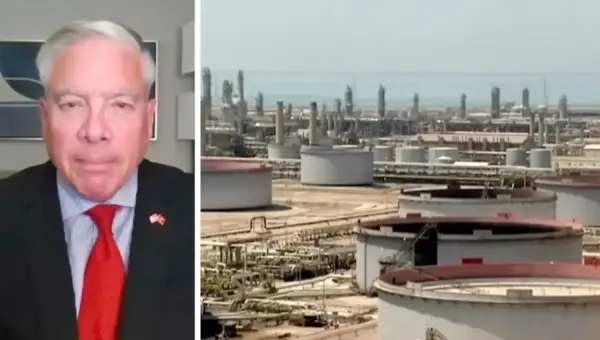
Iran has agreed to hand over enriched uranium, a move that could block its path to nuclear weapons. However, internal divisions in Iran and the complexities of removing radioactive material mean the deal is far from certain. Economic pressure and potential regional stability are also key factors.
US Blockade Tightens Grip on Iran’s Ports
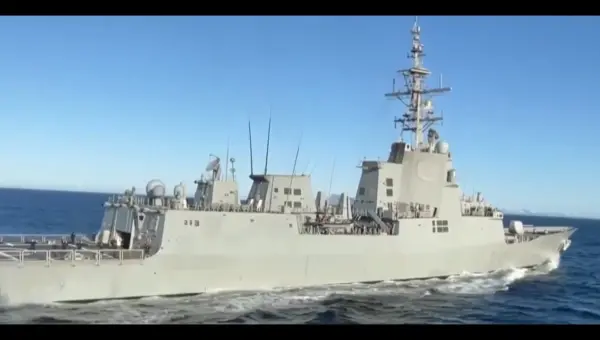
The US military is maintaining a naval blockade on Iranian ports, even as Iran lifts its own blockade in the Strait of Hormuz. This operation restricts ships heading to or from Iranian ports, impacting the country's trade. Meanwhile, increased traffic is seen in the Strait of Hormuz following a US-brokered ceasefire between Israel and Lebanon.
Trump Claims Strait Open, But Was It Ever Closed?
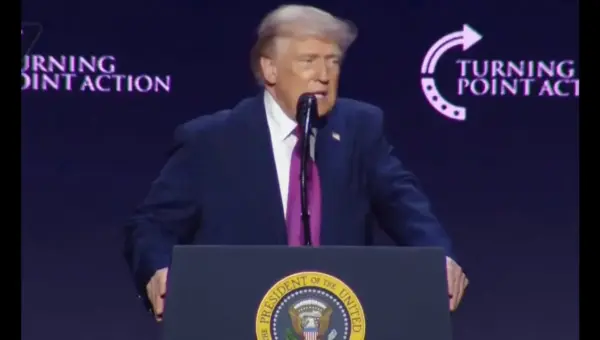
Donald Trump declared the Strait of Hormuz open, but critics question the actual gains given the conflict's cost. Reports from Iran contradict key claims, suggesting the strait may not have been fully closed. This situation raises concerns about accountability and the true impact of foreign policy decisions.