Iran Conflict Escalates: Explosions Reported as War Enters Sixth Day
Explosions are being reported across Iran as the conflict, dubbed "Operation Epic Fury," enters its sixth day. The war has seen regional spillover, with Iran claiming strikes in Iraq and the Persian Gulf, while intensified fighting occurs between Israel and Hezbollah. The human cost is mounting, with civilian casualties and U.S. service member deaths reported.

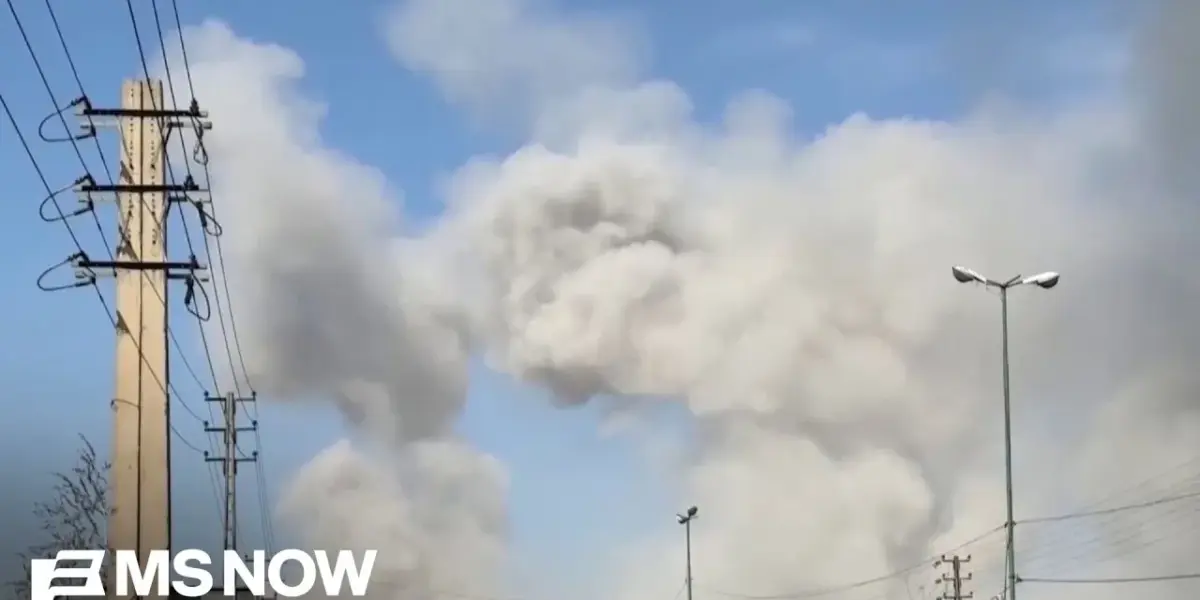
Iran Conflict Intensifies: Explosions Rock Tehran as War Enters Sixth Day
TEHRAN, IRAN – The conflict involving Iran, now in its sixth day and referred to by Tehran as “Operation Epic Fury,” has escalated significantly, with widespread explosions reported across the country, including in the capital. Iran claims to have targeted Kurdish groups in neighboring Iraq and a U.S. Oil tanker in the Persian Gulf, while also launching a new round of missiles and drones into Israel, which the IDF reported as being entirely intercepted. Concurrently, exchanges of fire between Israel and the Iranian-backed Hezbollah in Lebanon have intensified, leading to further civilian evacuations in southern Lebanon.
Regional Spillover and Human Cost
The broadening scope of the conflict is a major concern for international observers. Investigative reporter Nilo Tabrizi highlighted the rapid spread of hostilities across the region, noting that this expansion was anticipated by many analysts who had been tracking the buildup of military assets in the Persian Gulf for weeks. “Iran wants to raise the cost of war,” Tabrizi explained, suggesting that Tehran’s strategy is to retaliate regionally if attacked by Israel and the U.S., thereby increasing the potential consequences for any military engagement.
However, it remains unclear if this strategy is altering the decision-making of other involved parties. “It doesn’t look like it is because the attacks continue,” Tabrizi observed.
She pointed to Israeli officials’ statements indicating that airstrikes on Iran in the initial days of the conflict have been heavier than those during the 12-day war in the summer. The Islamic Republic, described as a regime built on survival, appears to be “digging its heels in,” employing various means to maintain power, including regional provocations and the suppression of its own population.
Fatalities Mount in Escalating Hostilities
The human toll of the conflict is becoming increasingly evident. The U.S. Department of Defense confirmed the deaths of American service members in a drone strike in Kuwait on Sunday.
Major Jeffrey O’Brien, 45, of Iowa, was identified as the fifth service member killed, while Chief Warrant Officer Robert Marzan, 54, of California, is believed to be the sixth casualty from the attack. These losses highlight the dangerous and unpredictable nature of the ongoing engagement.
Devastating Strike on Civilian Infrastructure
Tabrizi’s reporting has clarify specific incidents, including a devastating airstrike on a school in Minab, located in Iran’s southern Hormozgan province. The strike occurred in the early hours of the conflict’s first day.
Graphic images emerged, showing a child’s hand in rubble and bloodstained backpacks, prompting an urgent need for investigation. The school was reportedly adjacent to a Revolutionary Guard Navy base, raising critical questions about the targeting process.
While the U.S. has stated it is investigating the strike, responsibility has not yet been claimed. Tabrizi emphasized the lack of definitive information regarding who carried out the attack, noting possibilities ranging from U.S. or Israeli forces to a misfired Iranian missile. The incident, which may have resulted in an estimated 150 to 175 civilian casualties, predominantly young girls, highlights the catastrophic potential for civilian harm in densely populated or strategically sensitive areas.
“Anytime civilian infrastructure is hit, it’s really important that we look at it carefully and try to understand what happened… This was a mass civilian casualty event.”
Nilo Tabrizi, Author and Investigative Reporter
Uncertainty and Shifting Objectives
The broader strategic objectives of the conflict remain a subject of debate. Tabrizi noted that the initial narrative appeared to focus on regime change, but the goals seem to have shifted.
The unpredictability of the situation is further compounded by the potential for a power vacuum in Iran, especially if individuals or groups that could have been supported by external powers were casualties of the strikes. Analysts have consistently warned that direct conflict with Iran would be costly and unpredictable, a prediction that seems to be unfolding in real-time.
Connectivity issues within Iran, exacerbated by potential blackouts, have made it difficult to ascertain the feelings of the populace. However, those able to communicate have expressed that the current situation is a “last option” for those seeking systemic change, indicating a long history of attempted reforms and mixed signals from international actors, including the previous U.S. Administration’s stance on supporting protesters.
Looking Ahead: What’s Next?
As the conflict enters its second week, the U.S. Administration has indicated that the engagement could last for weeks, leaving the duration open-ended. Tabrizi plans to continue monitoring attacks, particularly those impacting civilian infrastructure, and tracking civilian casualties.
The focus remains on the human cost, as regular civilians invariably bear the brunt of such conflicts. The uncertainty surrounding the ultimate goals and potential outcomes of “Operation Epic Fury” leaves the region in a precarious state, with the international community watching closely for further developments and the potential for wider escalation.
Source: Explosions reported around Iran as war enters sixth day (YouTube)

Related Articles


Trump’s Iran Deal Tweets Spark Mental Fitness Debate
Amidst a flurry of social media posts declaring victory in Iran negotiations, Donald Trump's stability and the actual gains of the deal are under intense scrutiny. Critics question the substance of his claims, pointing to a return to the status quo and potential concessions to Iran.


Pakistan Ports Surge as Middle East Shipping Routes Face Risk
Pakistan's ports are experiencing a significant boom as cargo ships divert from the Middle East due to conflict risks and delays. This surge in activity offers a potential economic boost for Pakistan, though its long-term sustainability is under discussion.


Russia’s Donbas Deadline Seen as Bluff Amid Shifting Alliances
Analysts view Russia's deadline for Donbas withdrawal as a bluff amid global distractions caused by the Iran conflict. Ukraine faces difficult choices over territorial compromise, seeking security guarantees in return. Ukrainian strikes on Russian energy infrastructure aim to raise war costs, while broader escalation risks remain low.