Clinton Faces Scrutiny in Epstein Investigation Deposition
Former President Bill Clinton provided testimony in a deposition related to the Jeffrey Epstein and Ghislaine Maxwell investigation. The session delved into his past interactions with Epstein and Maxwell, the scope of the committee's inquiry, and the procedural rules governing the deposition.

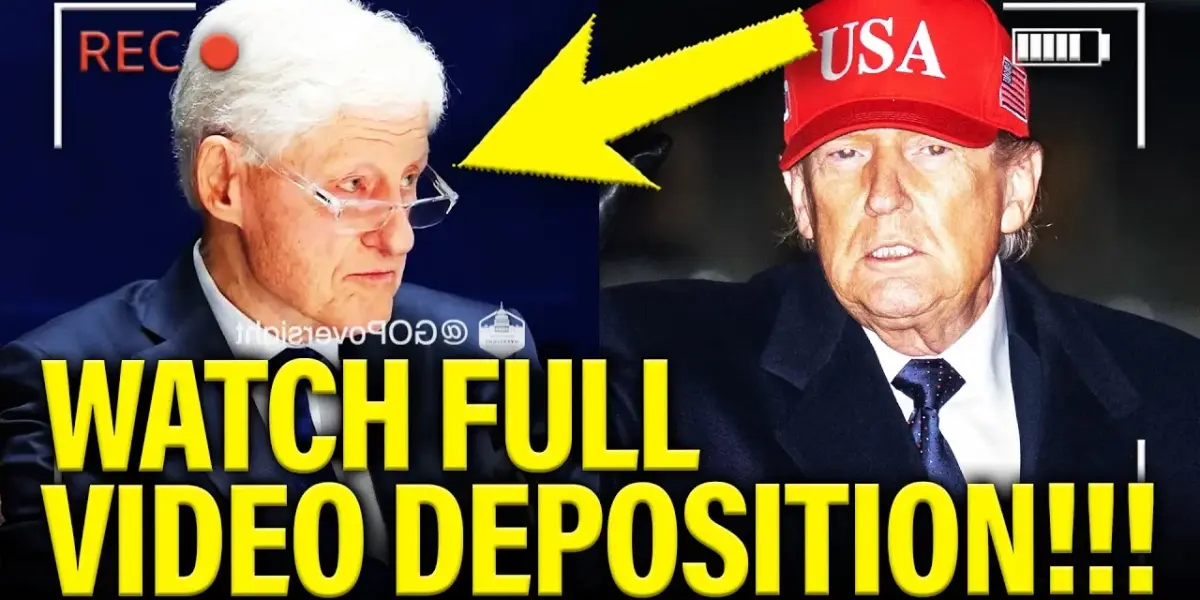
Clinton Faces Scrutiny in Epstein Investigation Deposition
In a development that has captured significant public attention, former President Bill Clinton recently underwent a deposition as part of the House Committee on Oversight and Government Reform’s investigation into the Jeffrey Epstein and Ghislaine Maxwell scandal. The deposition, conducted under the authority granted by House Rule 10, highlights the committee’s broad jurisdiction for conducting investigations. This session marks a critical juncture in the ongoing inquiry, with the committee seeking to understand the extent of Epstein and Maxwell’s influence and any potential ethical violations by public officials.
The Road to the Deposition
The path to this deposition was not straightforward, involving a series of subpoenas and extensive correspondence between the committee, chaired by James Comer, and President Clinton’s legal counsel, David Kendall and Katherine Turner. Initially noticed for December 12, 2025, the deposition faced delays, including a missed appearance on January 13, 2026, which led to the committee considering a contempt report against the former president. After further notices and negotiations, the deposition was finally scheduled for February 19, 2026, with agreed-upon terms including video recording, no predetermined time limit, and a broad scope of inquiry.
Scope of the Investigation
The committee’s investigation aims to dig into several key areas:
- The alleged mismanagement of federal investigations into Jeffrey Epstein and Ghislaine Maxwell.
- The circumstances surrounding Epstein’s death.
- The operation of sex trafficking rings and strategies for the federal government to combat them.
- The methods Epstein and Maxwell employed to curry favor and exert influence to protect their illegal activities.
- Potential violations of ethics rules related to elected officials.
President Clinton’s legal team had initially sought to limit the scope, but the committee insisted on a comprehensive examination, including personal relationships between the Clintons and Epstein/Maxwell, and the broader implications of their activities.
Clinton’s Opening Statement and Testimony
Before the questioning began, President Clinton delivered a brief opening statement. He emphasized his commitment to the principle that no one is above the law, especially presidents, and expressed a desire for the country to move beyond partisan spectacle towards civil disagreement and the pursuit of truth and justice. He also highlighted the need for healing and justice for the victims of Epstein’s crimes, stating his willingness to share what he knows to prevent future occurrences.
Clinton addressed the public release of a photograph showing him and his wife, Hillary Clinton, with Epstein in 1993, clarifying that neither of them recalled the encounter and that it occurred at a non-political event. He acknowledged taking plane trips with Epstein after leaving the White House, which he stated were related to his foundation’s work in providing AIDS medicine to developing countries. He indicated that he no longer had contact with Epstein after 2003, believing he had fulfilled his commitment and that Epstein’s interests might not have aligned with his humanitarian goals.
Regarding Ghislaine Maxwell, Clinton stated he first met her with Epstein and understood her role as Epstein’s chief of staff or administrator. He noted his relationship with Maxwell, through her association with Ted White, was longer and more extensive than with Epstein, but he had not seen her in about a decade. He claimed to have learned of Epstein’s crimes in 2008 when he was prosecuted and denied any awareness of Epstein’s illicit activities during their interactions.
Navigating the Deposition Rules
The deposition commenced with a clear outline of the procedural rules. Chief Counsel for Investigations, Jack Emmer, detailed the process, including the alternating rounds of questioning between the majority and minority, the requirement for audible answers, the handling of exhibits, and the legal obligation to provide truthful testimony, with potential consequences for false statements or half-truths. President Clinton affirmed his understanding of these rules and his ability to provide truthful testimony.
A notable point of discussion before the questioning began was the recent release of a photograph, which led to concerns about deepfakes. Both sides agreed on the importance of maintaining the confidentiality of the deposition proceedings and the timely release of video recordings to prevent misinformation. President Clinton stated he did not recall specific conversations about Epstein or Maxwell with most individuals listed by the committee, including prominent figures like Huma Abedin, Alan Dershowitz, and Doug Band, while acknowledging knowing many of them.
Why This Matters
This deposition is significant for several reasons. Firstly, it represents a formal attempt by Congress to hold accountable individuals, regardless of their past status, who may have been associated with Jeffrey Epstein and Ghislaine Maxwell. The investigation aims to uncover the full extent of Epstein’s network and influence, which allegedly extended into high-profile political and social circles.
Secondly, it highlights the enduring public interest in the Epstein scandal and the demand for transparency and justice for the victims. The testimony of a former president, even if limited in its direct revelations about Epstein’s crimes, provides a crucial piece of the puzzle regarding the social and political landscape in which Epstein operated.
Implications, Trends, and Future Outlook
The deposition of a former president in connection with such a high-profile criminal case sets a precedent for congressional oversight. It signals a willingness by legislative bodies to pursue investigations that reach into the highest echelons of power, irrespective of past positions. The focus on Epstein and Maxwell’s methods of currying favor and exercising influence also brings to the forefront broader concerns about ethics, lobbying, and the potential for wealthy individuals to exploit systems for illicit gain.
The committee’s stated goal of finding ways for the federal government to combat sex trafficking suggests that this investigation could also lead to legislative reform proposals. The future outlook involves further scrutiny of individuals connected to Epstein’s network and potential legislative actions aimed at strengthening anti-trafficking measures and ethical oversight.
Historical Context and Background
The Jeffrey Epstein scandal and the subsequent investigation into Ghislaine Maxwell have cast a long shadow, revealing a complex web of powerful individuals. Epstein, a financier with alleged connections to royalty, politicians, and business leaders, was arrested in July 2019 on charges of sex trafficking of minors.
His death in jail the following month was officially ruled a suicide, but it fueled widespread speculation and demands for a more thorough investigation into his activities and associates. Ghislaine Maxwell, his longtime associate, was convicted in December 2021 on charges of sex trafficking and conspiracy for her role in recruiting and grooming young girls for Epstein to abuse.
The involvement of public figures, including former presidents, in Epstein’s orbit has been a subject of intense media and public scrutiny. The committee’s investigation into potential ethical violations by elected officials taps into a long-standing concern about the influence of wealth and power in politics. The deposition of Bill Clinton, a figure who served two terms as president and whose post-presidency has been marked by significant global health initiatives, is a direct consequence of these ongoing investigations and the public’s demand for answers.
Source: 🚨 FULL Bill Clinton Video Deposition in House EPSTEIN INVESTIGATION (YouTube)

Related Articles

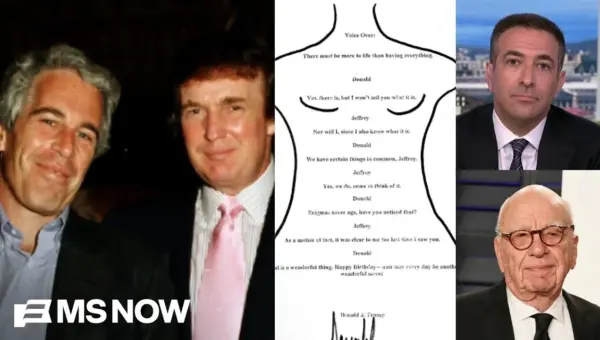
Trump’s Epstein Lawsuit Tossed; Dems Win Big on Ticketmaster Case
A federal judge dismissed Donald Trump's defamation lawsuit against The Wall Street Journal regarding a drawing for Jeffrey Epstein. Meanwhile, Democratic attorneys general secured a major victory as a New York jury found Live Nation Entertainment, parent of Ticketmaster, guilty of running an illegal monopoly. This ruling could lead to the breakup of the company and financial damages for consumers.

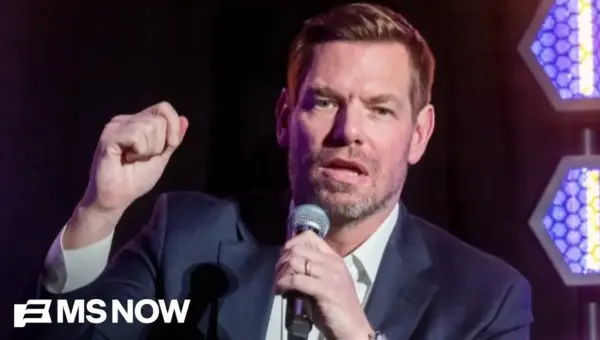
Manhattan DA Investigates Rep. Swalwell Amid Sexual Assault Claims
Manhattan's District Attorney has launched an investigation into sexual assault allegations against Congressman Eric Swalwell, made by a former staffer. Swalwell denies the claims, calling them "flat false." The allegations have led to widespread calls for him to withdraw from the California gubernatorial race and face potential congressional action.

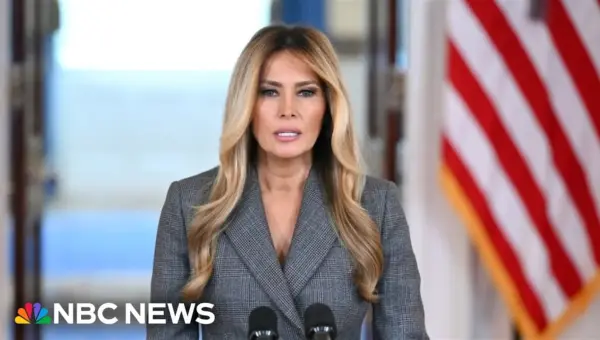
Melania Trump Denies Epstein Ties, Demands Justice for Victims
First Lady Melania Trump has publicly denied any ties to Jeffrey Epstein and called for public hearings for his victims. The White House was reportedly unaware of her statement's content until she delivered it. Her address aims to clarify her position amid renewed scrutiny of the Epstein case.