Army Secretary Faces Scrutiny Amidst Pentagon Power Struggles
Army Secretary Christine Driscoll testified amidst growing concerns over Defense Secretary Mark Hegseth's leadership. The hearing focused on Hegseth's alleged pattern of blocking promotions for minority and female officers and the controversial dismissal of General George. Lawmakers expressed alarm over the internal conflicts, questioning their impact on military readiness and morale.

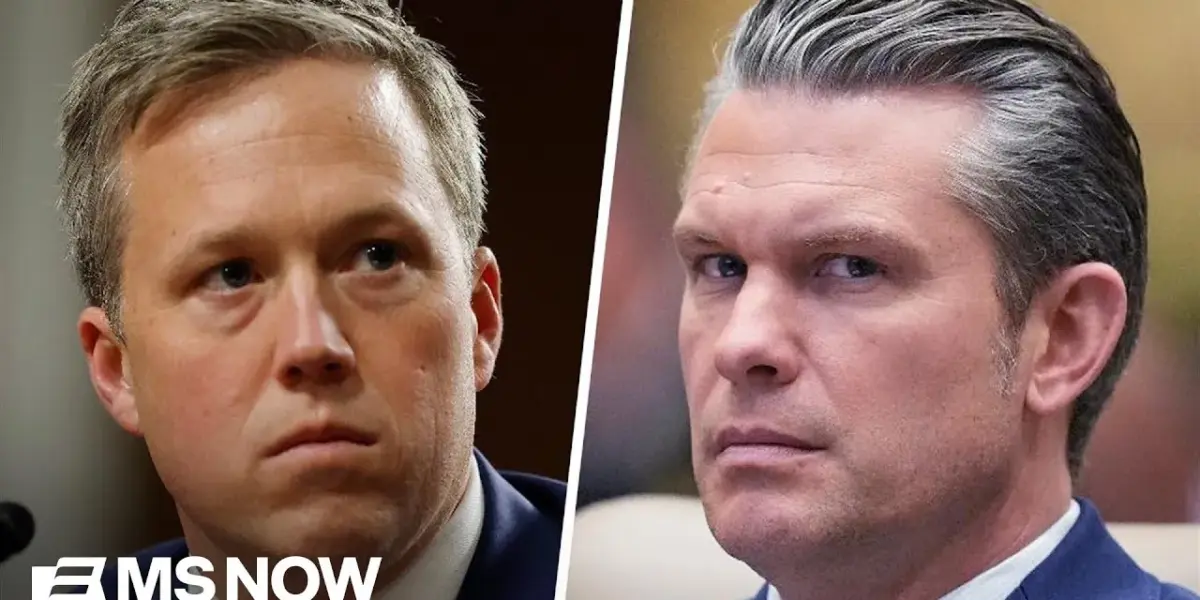
Army Secretary Testifies Amidst Pentagon Turmoil
Capitol Hill buzzed with tension this week as Army Secretary Christine Driscoll testified before a subcommittee, a hearing initially set to focus on the 2027 budget but quickly dominated by internal Pentagon conflicts and leadership questions. The proceedings revealed deep divisions and widespread concern over Defense Secretary Mark Hegseth’s actions, particularly the forced resignation of General George and a pattern of promotion blocks impacting minority and female officers.
Members of both parties expressed regret over General George’s departure, with one senator stating, “He’s a real loss to us in my opinion.” Another lamented the circumstances, calling the dismissal “handled very, very poorly.” These sentiments highlight a growing unease on Capitol Hill regarding Hegseth’s leadership style and its impact on military readiness and morale.
Questions Swirl Around Top Military Appointments
The hearing clarify a series of controversial decisions made by Secretary Hegseth. Beyond the case of General George, accusations have surfaced that Hegseth has deliberately blocked promotions for African American and female officers. This pattern has led to significant disquiet among lawmakers, especially given the ongoing conflict with Iran, raising questions about the timing and rationale behind such high-level personnel changes.
“Nobody knows what morning they wake up and may not have a job because Hegseth says you’re fired,” reported Ali Vitale, an MSNOW correspondent covering the events. She noted that several senior officers have been summarily dismissed without any accusations of wrongdoing, fueling a climate of uncertainty within the Pentagon. The statistics, she added, show a “fair number of women and black, uh, African-American senior officers,” suggesting these dismissals may not be performance-related.
Hegseth vs. Driscoll: A Public Power Play
A central tension in the testimony was the openly adversarial relationship between Secretary Driscoll and Secretary Hegseth. Speculation has been rife that Driscoll is being considered as a successor to Hegseth, a prospect that reportedly angers the Defense Secretary.
However, Driscoll appears to have powerful backing, particularly from Vice President J.D. Vance, with whom he attended law school.
Retired U.S. Army Colonel Jack Jacobs, a Medal of Honor recipient and military analyst, described the situation as a “long-running soap opera.” He explained that Hegseth had long wanted to remove General George, who was not favored by the current administration. “Secretary Driskell had done a very good job of insulating General George,” Jacobs stated, highlighting George’s contributions in areas like ammunition supply and drone defense.
Concerns Over Diversity and Military Readiness
The discussion extended to the broader implications of Hegseth’s actions on military diversity and effectiveness. “The fact that this has become an issue is the big problem in and of itself, because the military is supposed to be blind,” commented one analyst, emphasizing that rank and performance, not race or gender, should be the determining factors for advancement.
This concern is particularly relevant given Pentagon demographics, where racial minorities constitute 32% of active-duty personnel and women make up nearly 18% of senior ranks. The perception, and potentially the reality, that promotions and dismissals are influenced by sex and race is seen as detrimental to the institution’s core principles of equality and meritocracy.
“The military exists so everyone is essentially on that equal footing short of their rank of course, because everyone everyone can be called into battle, everyone can be called to do their job under extreme duress and no one is supposed to be favored.”
Defense Secretary Attacks Media Coverage
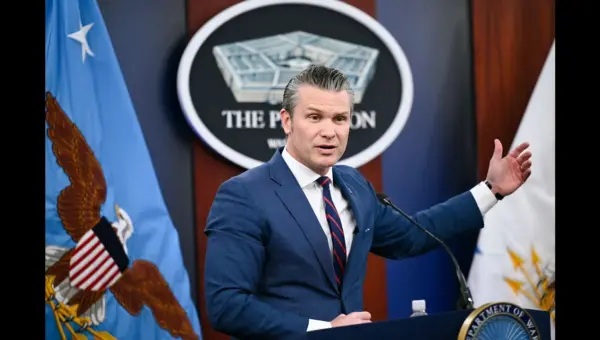
Secretary Hegseth also used the press conference to criticize news media coverage of the war in Iran. He decribed the reporting as an “endless stream of garbage” and “relentlessly negative,” questioning the patriotism of journalists. He suggested that “politically motivated animus for President Trump” was blinding reporters to the successes of American troops.
Barbara Starr, a former Pentagon correspondent, responded sharply to Hegseth’s remarks. “The Secretary of Defense may wish to reacquaint himself with the words in the First Amendment and reacquaint himself with his own oath of office,” she stated. Starr predicted that the press corps would continue its job of reporting the news, regardless of such attacks.
Looking Ahead: Stability at the Pentagon?
The internal conflicts and leadership challenges within the Pentagon raise serious questions about the military’s operational effectiveness and national security. Colonel Jacobs noted that such fragmentation at the leadership level is “not very good for national security” and “not particularly good for morale.” The situation remains fluid, with attention now turning to whether Secretary Driscoll can maintain his position amidst the ongoing power struggles.
The next budget hearings and any further personnel announcements from the Pentagon will be closely watched for signs of stability or continued upheaval. The coming weeks may offer clarity on the future leadership dynamics and their impact on military policy.
Source: Army Secy testifies after clashes with Defense Secy Hegseth (YouTube)

Related Articles
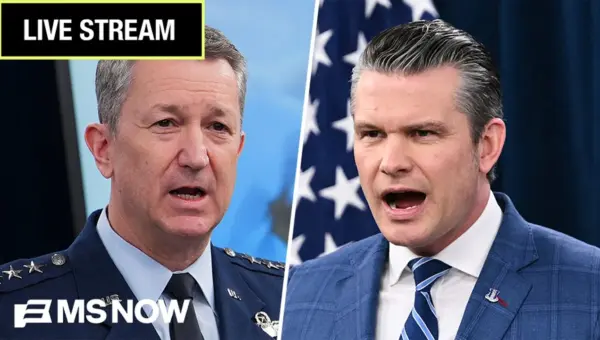
Pentagon Briefs on Iran Port Blockade Amid Ceasefire Deal
The Pentagon briefed reporters on Operation Epic Fury, a U.S. naval blockade of Iranian ports, following a two-week ceasefire agreement. Defense Secretary Pete Hegseth and Gen. Dan Caine detailed the operation's goals, which include preventing the transfer of materials that destabilize the region. The military action aims to support diplomatic efforts and counter Iranian influence.

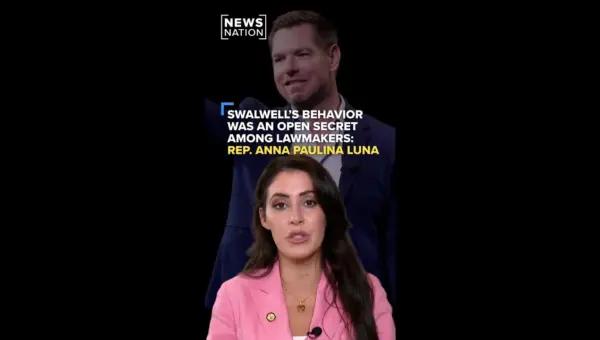
Swalwell’s Capitol Hill Conduct: An Open Secret No More
Congressman Eric Swalwell's resignation followed years of 'open secret' allegations about his conduct. His staff's distrust and a formal expulsion motion finally brought the issue to light, raising questions about accountability in Washington.
Pentagon Warns Iran: ‘We Are Watching You’ With Iron Fist
The Pentagon issued a stern warning to Iran, highlighting U.S. surveillance and readiness while maintaining an "ironclad blockade." Officials emphasized Iran's limited military capacity against superior American strength and intelligence. The briefing also criticized media coverage and celebrated military recruitment successes.