US Navy Tackles Iran’s Strait of Hormuz Mine Threat
The U.S. military is launching a major operation to detect and remove Iranian sea mines in the Strait of Hormuz. Iran's tactics of unrecorded mine deployment and forcing ships closer to its coast pose significant risks to global shipping. The U.S. response utilizes advanced technology to ensure the vital waterway remains open for international trade.

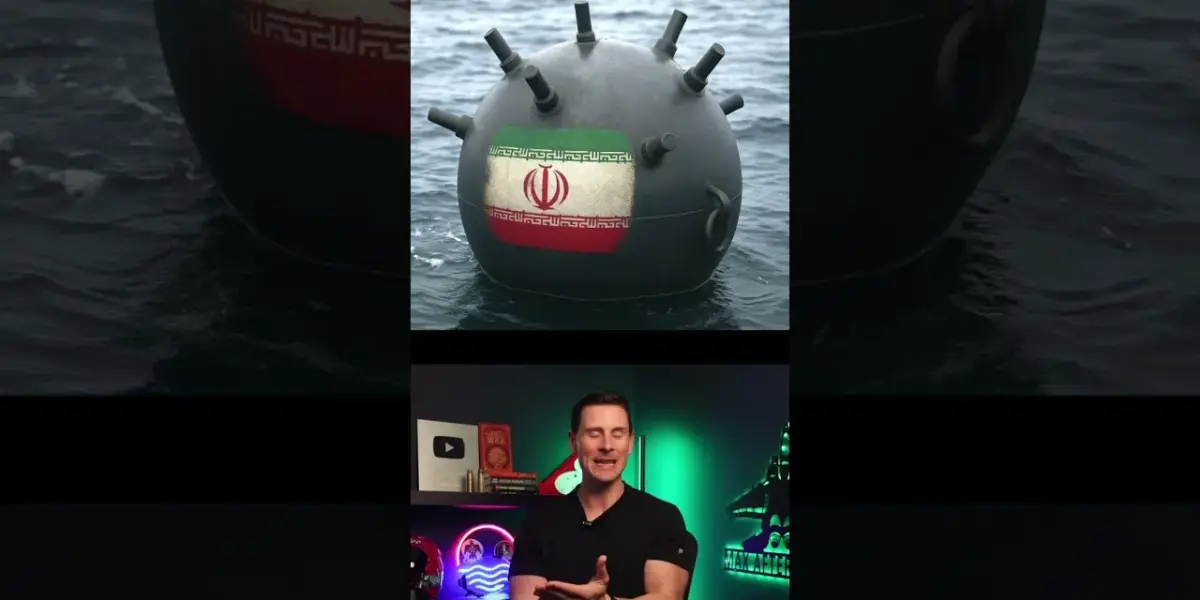
US Navy Tackles Iran’s Strait of Hormuz Mine Threat
The United States military is launching a significant operation to counter Iran’s use of sea mines in the vital Strait of Hormuz. This move aims to secure one of the world’s most critical shipping lanes.
The operation will systematically detect and remove these explosive devices. Iran has previously used small, fast boats to deploy mines without accurately recording their locations.
These unrecorded mines pose a serious danger to international shipping. Some mines are designed to float with ocean currents, making them even harder to track.
Iran’s strategy has also involved forcing ships closer to its coastline near Lorac Island. This tactic acts like a floating toll booth, potentially allowing Iran to target vessels more easily.
Strategic Mine Placement
Iran’s tactic of deploying mines in the Strait of Hormuz represents a significant challenge to maritime security. By dropping mines from small, fast attack boats, Iran has made it difficult to map their exact positions. Many of these mines were not properly charted, leaving naval forces to search vast areas of water.
The mines are designed to be a constant threat. Some are rigged to drift with currents, meaning their location can change unpredictably.
This makes traditional mine-clearing operations more complex. It requires advanced technology and persistent effort to locate and neutralize these hidden dangers.
Iran’s Coastal Targeting Strategy
Iran’s placement of these mines has a strategic purpose beyond just creating a hazard. The current mining pattern forces commercial vessels and warships to sail closer to the Iranian coast, particularly near Lorac Island. This maneuver essentially corrals traffic into a more controlled zone.
By concentrating shipping traffic near its shores, Iran enhances its ability to target vessels. This proximity makes it easier for Iranian forces to deploy their own unmanned vehicles (UVs) and drones.
These assets can then be used to threaten or attack ships that come within range. It’s a calculated move to leverage geography and technology for military advantage.
US Response and Technological Resolve
In response to this threat, the U.S. military is deploying advanced technology and demonstrating its commitment to maintaining freedom of navigation. The operation involves sophisticated detection systems to find the mines. Specialized equipment will then be used for their safe removal or destruction.
The U.S. Navy has extensive experience in mine countermeasures. This operation draws upon that expertise, combining naval assets with cutting-edge technology.
The goal is to clear the waterways effectively and deter future mining attempts. This shows a clear resolve to keep the Strait of Hormuz open for global trade and security.
Strategic Implications
The Strait of Hormuz is a crucial chokepoint, through which about 20% of global oil supply passes. Any disruption here can have immediate and severe impacts on the world economy. Iran’s mining activities directly threaten this flow of commerce and energy.
The U.S. operation to clear these mines is vital for several reasons. It ensures the continued movement of goods and energy resources.
It also signals to Iran and other potential adversaries that such tactics will not be tolerated. Maintaining open sea lanes is a key objective for global stability and economic prosperity.
Historical Parallels
The use of naval mines as a weapon is not new. Throughout history, nations have used mines to deny enemy access to ports or sea lanes.
During World War II, both Allied and Axis powers deployed vast numbers of mines. This created dangerous, uncleared zones that persisted for years.
More recently, mine warfare has been a feature in conflicts like the Persian Gulf War. In 1991, coalition forces faced Iraqi mines.
The U.S. Navy employed specialized mine-hunting ships and helicopters to clear these threats. The current situation in the Strait of Hormuz echoes these past challenges, requiring similar technological and tactical responses.
What This Means on the Ground
For commercial shipping companies, this U.S. operation brings a much-needed sense of security. Knowing that the U.S. Navy is actively clearing mines reduces the risk of accidental damage or loss of vessels. This allows for more predictable and safer passage through the strait.
For naval forces operating in the region, it means a more secure operating environment. Mine threats can complicate naval movements and operations.
By neutralizing these hazards, the U.S. enhances its own freedom of maneuver and that of its allies. It also demonstrates a capability to respond to asymmetric threats effectively.
The U.S. military’s commitment to this operation highlights its strategic priorities. Protecting international trade routes and deterring aggression are paramount.
This effort shows that the U.S. is prepared to invest resources and employ technology to maintain global maritime security. The operation is expected to continue until the threat is fully mitigated.
Source: The U.S. Military Just Did Something HUGE To Open Strait Of Hormuz (YouTube)

Related Articles


Iran War Fuels Global Economic Fears: Experts Warn of Lasting Impact
The conflict involving Iran is creating significant global economic concerns, with experts warning of lasting impacts. Disruptions near the Strait of Hormuz, a crucial oil shipping route, are raising fears of price spikes and supply chain instability. This situation adds considerable uncertainty to the international economic outlook.
Fuel Prices Spike, Driving Inflation Amid Iran War
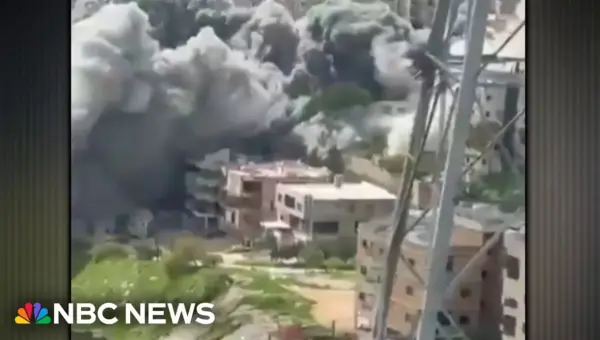
Soaring fuel prices, driven by the conflict in Iran and disruptions in the Strait of Hormuz, have caused a record 21% jump in gas costs and pushed inflation to 3.3%. As peace talks begin in Pakistan, the White House signals a readiness for dialogue while vowing action to ensure open shipping lanes.

Trump: Iran’s Military Defeated, Strait Will Reopen
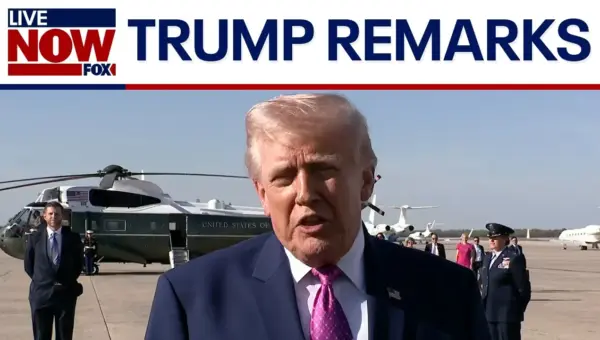
President Trump declared Iran's military defeated and the Strait of Hormuz will reopen, a key shipping lane. He stressed Iran must not acquire nuclear weapons as the primary goal of any deal. The U.S. is prepared to ensure the strait remains open for international trade.