Fuel Prices Spike, Driving Inflation Amid Iran War
Soaring fuel prices, driven by the conflict in Iran and disruptions in the Strait of Hormuz, have caused a record 21% jump in gas costs and pushed inflation to 3.3%. As peace talks begin in Pakistan, the White House signals a readiness for dialogue while vowing action to ensure open shipping lanes.

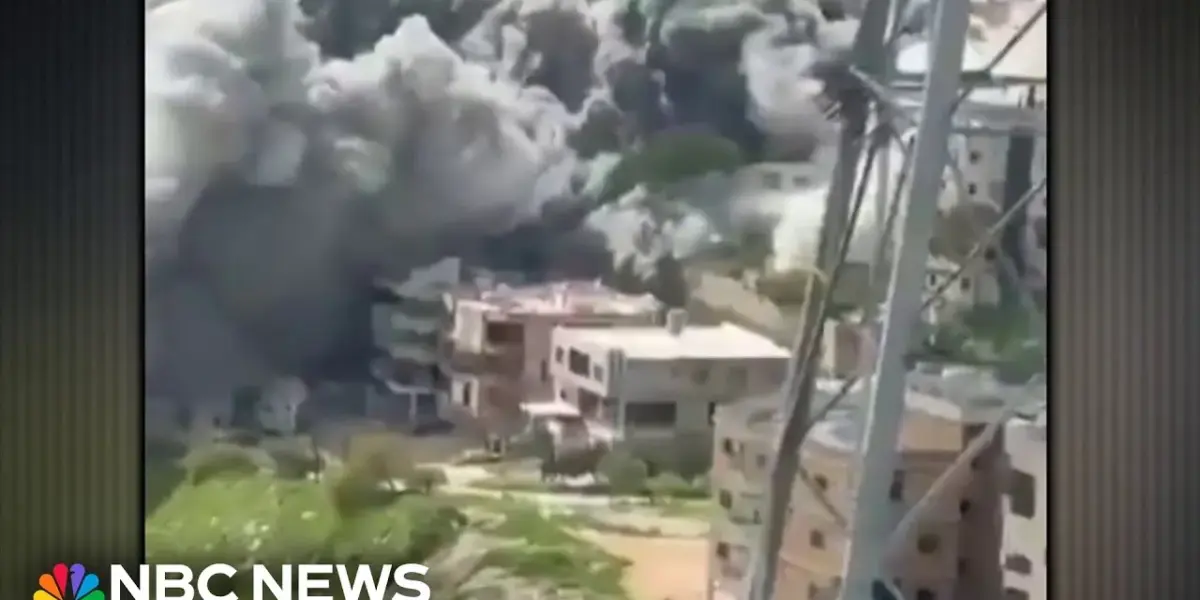
Inflation Soars as Fuel Prices Surge Amid Geopolitical Tensions
Americans are feeling the pinch at the pump and in their wallets as inflation rates climb, largely driven by a sharp increase in fuel prices. The latest figures show a significant jump in inflation, directly linked to the ongoing conflict and its impact on global oil markets. This economic pressure comes just as critical peace talks are set to begin, highlighting the high stakes involved.
Record Gas Price Jump Fuels Inflation Surge
Gasoline prices have skyrocketed by 21% in the past month, marking the largest single-month spike ever recorded. This dramatic rise in fuel costs has directly fueled a surge in the overall inflation rate to 3.3%. This represents the biggest jump in inflation seen in nearly four years, significantly impacting household budgets across the country.
The primary driver behind these soaring oil prices is the ongoing disruption in the Strait of Hormuz. Traffic through this vital waterway has come to a near standstill, with only two ships reportedly passing through recently. This bottleneck severely constrains the global supply of oil, pushing prices higher.
President Vows Action to Reopen Key Shipping Lane
In response to the disruptions, the President has strongly criticized Iran’s actions, calling the regime’s control of the Strait of Hormuz “extortion.” He issued a firm warning, stating, “We’ll open up the Gulf, with or without them, or the Strait as they call it. I think it will go quickly.” This declaration signals a potential for swift action to ensure the free flow of oil and goods through this critical maritime passage.
Fragile Ceasefire Holds Amidst Diplomatic Efforts
The escalating tensions occur as a fragile ceasefire appears to be holding, with no new strikes reported today. However, Israeli strikes against Hezbollah in Lebanon are ongoing. These developments highlight the complex and volatile nature of the region’s security situation.
Peace talks are scheduled to begin in Pakistan, with Iran’s parliamentary speaker expected to play a key role as a negotiator. The speaker has indicated that a ceasefire in Lebanon has been mutually agreed upon and must be implemented before the talks can proceed. The White House, however, has denied that Lebanon is included in the current ceasefire agreement.
High-Level Diplomacy Underway
President Trump recently spoke with Israeli Prime Minister Benjamin Netanyahu, expressing expectations that Israel will “low-key it in Lebanon.” This suggests a diplomatic push to de-escalate tensions on multiple fronts. Vice President Vance departed this morning, signaling the administration’s engagement in these critical diplomatic efforts.
“If the Iranians are willing to negotiate in good faith, we’ll have an open hand,” Vice President Vance stated, indicating a readiness for constructive dialogue. These talks hold the potential to be historic, even before they officially begin.
Potential for Historic Diplomatic Engagement
The upcoming negotiations carry significant weight. The mere act of Vice President Vance shaking hands with a member of the Iranian delegation would mark a significant moment in diplomatic relations between the two countries. This potential for direct engagement highlights the importance of the ongoing peace talks.
The current situation highlights the interconnectedness of global politics and economics. The conflict in the Middle East is not just a regional issue; it has tangible consequences for consumers worldwide, affecting everything from the cost of gasoline to the price of everyday goods. As the peace talks commence, the world will be watching closely to see if a resolution can be found that not only stabilizes the region but also eases the economic burden on ordinary citizens.
The focus now shifts to the negotiation table in Pakistan. The success of these talks could have far-reaching implications for global energy markets, regional stability, and the economic well-being of millions. The coming days will be crucial in determining whether diplomatic engagement can overcome the current challenges.
Source: Inflation surges, fueled by fuel prices amid war in Iran (YouTube)

Related Articles

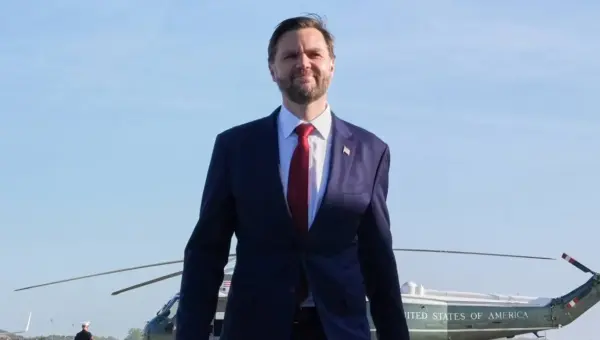
Vance Warns Iran: Don’t Play Games in Peace Talks
Pakistan is hosting critical US-Iran peace talks, with Vice President JD Vance leading the US delegation. Vance issued a stern warning to Iran, urging good-faith negotiations and cautioning against attempts to 'play' the US. The discussions aim to extend a ceasefire and ease regional tensions.

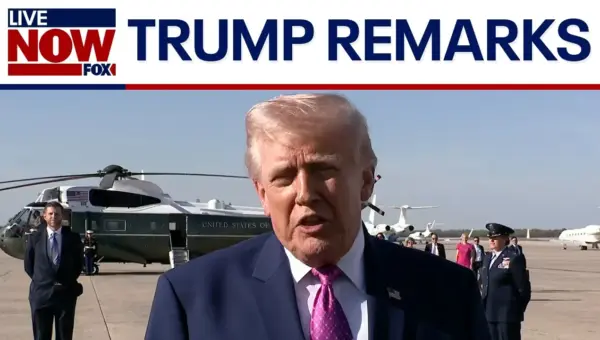
Trump: Iran’s Military Defeated, Strait Will Reopen
President Trump declared Iran's military defeated and the Strait of Hormuz will reopen, a key shipping lane. He stressed Iran must not acquire nuclear weapons as the primary goal of any deal. The U.S. is prepared to ensure the strait remains open for international trade.


Iran’s Strait of Hormuz Fee Threatens Europe’s Economy
Iran's proposal to charge a significant fee for passage through the Strait of Hormuz could trigger major economic problems for Europe, potentially generating billions of dollars monthly. The move is seen as an attempt to solidify control over the vital waterway, but it directly challenges international maritime law and threatens freedom of navigation. European nations, especially shipping-reliant Greece, face substantial economic risks, as do the continent's energy supplies.