US Navy Sinks Iranian Ship in Gulf of Oman Standoff
U.S. Marines have seized an Iranian-flagged cargo ship in the Gulf of Oman after it attempted to bypass an American blockade. President Trump announced the vessel was disabled by a hole in its engine room and is now under U.S. Treasury sanctions for prior illegal activities. This incident escalates ongoing tensions and highlights maritime enforcement efforts in the region.

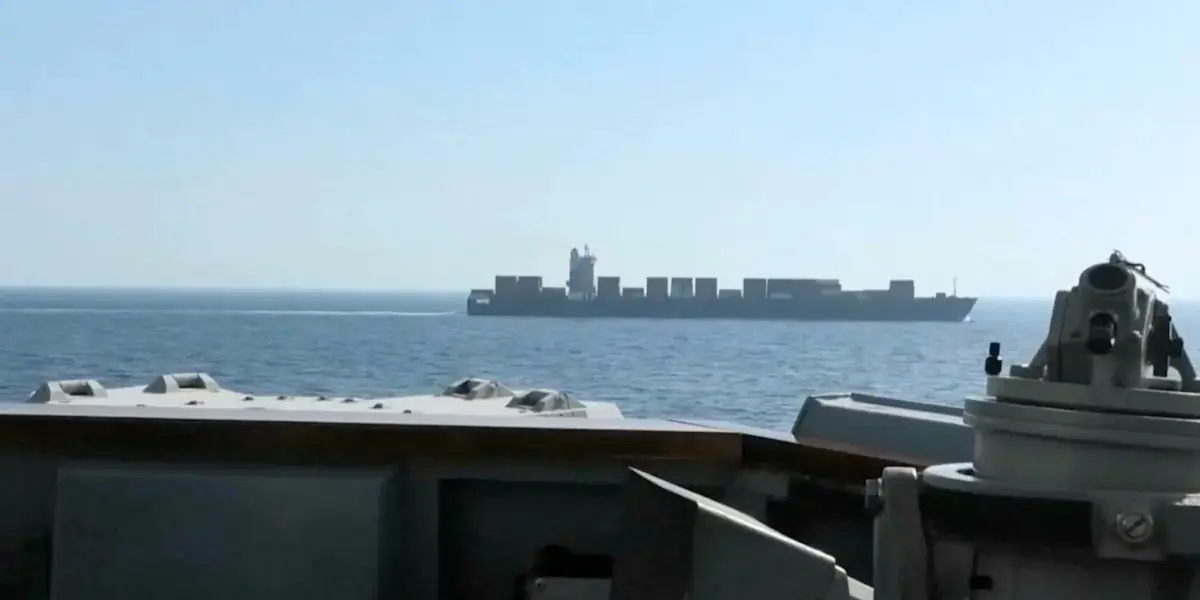
US Navy Takes Control of Iranian Cargo Ship
President Donald Trump announced that U.S. Marines have seized an Iranian-flagged cargo ship. The vessel was attempting to bypass an American blockade of Iranian ports.
Trump stated on his Truth Social platform that U.S. forces disabled the ship by creating a hole in its engine room. This action effectively stopped the ship in its tracks.
The ship in question is a significant vessel, according to the former president. It measures nearly 900 feet long. Its weight is comparable to that of an aircraft carrier, highlighting its large size and capacity.
The U.S. Navy guided missile destroyer USS Spruance was involved in the interception. This encounter took place in the Gulf of Oman.
Naval Interception and Seizure
The USS Spruance encountered the Iranian cargo ship after it refused to halt its course. U.S. naval forces then took decisive action to bring the vessel to a standstill.
Following this, the ship was taken into U.S. custody. The operation appears to be a direct response to the ship’s attempt to breach the blockade.
The seized cargo ship is now subject to U.S. Treasury sanctions. This is due to its previous record of engaging in illegal activities.
The specific nature of these past offenses was not detailed in the announcement. However, the sanctions indicate a history of illicit operations linked to the vessel.
Why This Matters
This incident highlights the ongoing tensions between the United States and Iran. The U.S. has maintained a policy of blockading Iranian ports. This blockade aims to limit Iran’s oil exports and financial resources.
Such actions are part of broader efforts to pressure the Iranian government over its nuclear program and regional activities. The seizure of a ship, especially one described as nearly the size of an aircraft carrier, represents a significant escalation in maritime enforcement. It demonstrates the U.S. Navy’s capability and willingness to assert control in strategic waterways like the Gulf of Oman.
Historical Context and Background
Maritime disputes and naval confrontations in the Persian Gulf and Gulf of Oman are not new. For decades, this region has been a focal point for geopolitical strategy, largely due to its critical role in global oil transport. Both Iran and the U.S. have a history of engaging in naval standoffs and enforcing their respective interests.
Iran has previously threatened to close the Strait of Hormuz, a vital chokepoint for oil shipments, in response to international pressure or sanctions. The U.S., in turn, maintains a strong naval presence to ensure freedom of navigation and protect its allies’ interests.
The current U.S. administration’s approach to Iran has involved a mix of sanctions and military deterrence. This incident fits within that broader strategy.
Previous administrations have also employed similar tactics, including naval patrols and the interdiction of vessels suspected of illicit activities, such as smuggling or supporting terrorism. The designation of the ship as subject to Treasury sanctions suggests a connection to financial networks or activities the U.S. deems harmful.
Implications and Future Outlook
The seizure of this Iranian cargo ship could lead to retaliatory measures from Iran. The Iranian government might respond by increasing naval patrols, harassing commercial shipping, or taking actions against U.S. assets in the region.
Such a response could further destabilize the already volatile situation. It could also impact global oil prices if shipping routes are disrupted.
This event also highlights the complex challenges of enforcing international sanctions and maritime law in contested waters. It raises questions about the effectiveness of blockades and sanctions as tools of foreign policy.
The U.S. Navy’s actions demonstrate a commitment to enforcing these measures, but the potential for escalation remains a significant concern for regional stability and international trade. The situation requires careful monitoring as diplomatic channels and military postures continue to evolve.
The future outlook for maritime security in the Gulf of Oman will likely depend on de-escalation efforts and communication between the involved parties. Any miscalculation could lead to a more serious conflict.
Both nations will need to weigh the benefits of asserting their power against the risks of triggering a wider confrontation. The U.S. Treasury’s ongoing monitoring of financial activities will also play a role in future enforcement actions.
Source: Trump Says US Seized an Iranian Flagged Cargo Ship (YouTube)

Related Articles

Trump’s Iran Talk Sparks Alarm Over War and Economy
Former President Trump's recent interview statements about the Iran conflict and the economy have drawn significant attention. His claims of the war being over contrast with troop deployments, while his predictions on oil prices and the impact on fertilizer costs raise economic alarms.

US Navy Seizes Iranian Ship Amid Strained Relations
The U.S. Navy has seized an Iranian cargo ship in the Gulf of Oman after the vessel allegedly attempted to pass an American blockade. President Trump announced the seizure, stating U.S. Marines now have custody of the ship. This incident occurs amid reports of upcoming U.S.-Iran talks, which Iran has reportedly denied participating in.

US Navy Strikes Iranian Ship, Escalating Tensions
The US Navy has taken direct action against an Iranian cargo ship attempting to breach a blockade in the Gulf of Oman. The USS Sprunce fired upon and disabled the vessel, with US Marines subsequently boarding and securing it. This incident escalates regional tensions, with Iran reportedly viewing US military movements as signs of an impending invasion.