US Navy Strikes Iranian Ship, Escalating Tensions
The US Navy has taken direct action against an Iranian cargo ship attempting to breach a blockade in the Gulf of Oman. The USS Sprunce fired upon and disabled the vessel, with US Marines subsequently boarding and securing it. This incident escalates regional tensions, with Iran reportedly viewing US military movements as signs of an impending invasion.

US Navy Strikes Iranian Ship, Escalating Tensions
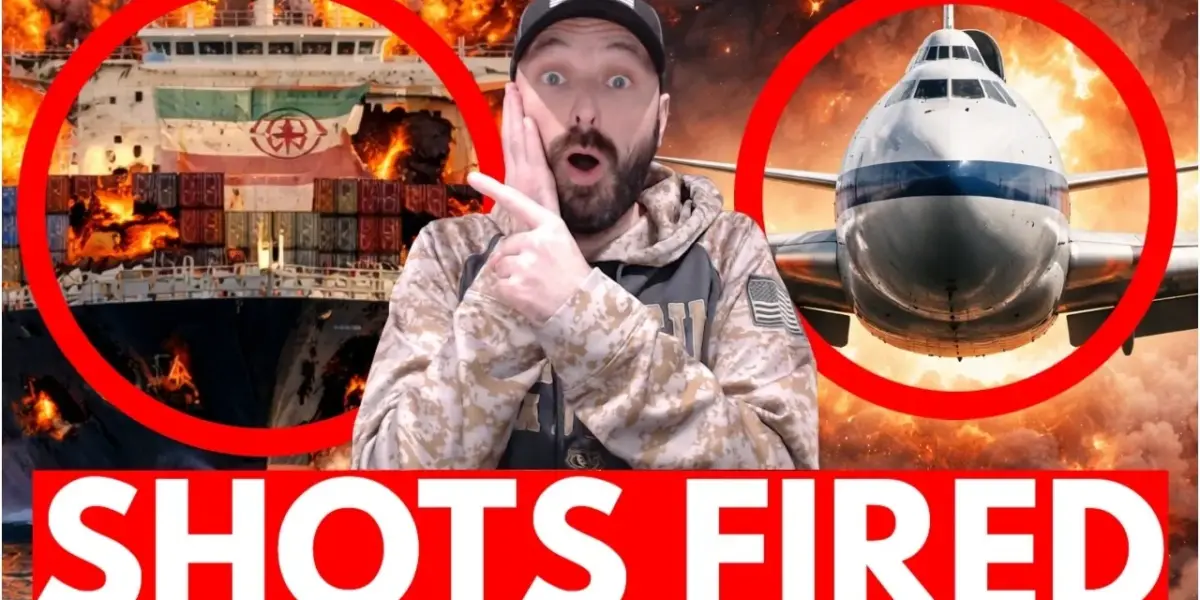
On April 19th, a significant event unfolded in the Gulf of Oman. The United States Navy took action against an Iranian cargo vessel, the Tusca, which was reportedly attempting to break through an American naval blockade.
President Trump confirmed that the US Navy fired upon the ship, disabling it by damaging its engine room. US Marines then boarded and took control of the vessel.
The Tusca, a large cargo ship nearly 900 feet long, was intercepted by the USS Sprunce, a US Navy guided missile destroyer. According to reports, the Iranian crew ignored warnings to stop, prompting the US Navy to open fire.
The USS Sprunce used its 5-inch gun, firing multiple shots that reportedly destroyed the ship’s engine room, bringing the Tusca to a halt. Following this disabling action, US Marines boarded the ship and took custody of it and its crew.
The Tusca is reportedly under US Treasury sanctions due to a history of illegal activities. This incident highlights the ongoing tension and potential for conflict in the Strait of Hormuz, a critical waterway for global oil transport. The US Navy has been enforcing a blockade, turning away numerous Iranian ships attempting to pass through.
Context of the Incident
The Strait of Hormuz is a narrow passage between the Persian Gulf and the Gulf of Oman. Control of this strait is vital for international trade, particularly for oil. For years, Iran has used its strategic position to threaten shipping and exert influence in the region.
The US Navy maintains a strong presence in the area to ensure freedom of navigation and to counter threats from Iran and its allies. Blockades and interceptions are part of these efforts to enforce international maritime laws and security protocols. The USS Sprunce, the ship involved in this incident, is an Arleigh Burke-class destroyer, equipped with advanced weaponry, including a 5-inch gun, machine guns, and missile systems.
Iranian Response and Regional Concerns
Iranian state media reported on the incident, and Iran has made statements about its readiness to resume conflict. The Iranian media also noted increased US military activity in the region, including troop and equipment movements, which they interpreted as preparations for a potential invasion. Iran suggested two scenarios: using these preparations for psychological pressure in negotiations or for a surprise military attack.
Members of Iran’s National Security Commission have stated that Iran possesses extensive capabilities for unpredictable military actions. However, past threats from Iran regarding secret weapons have not always materialized. This heightened rhetoric from Iran highlights the volatile nature of the current geopolitical situation.
Broader Military Activity
Adding to the tense atmosphere, reports emerged of air strikes in Yemen, targeting Houthi-controlled areas. The Houthis, an Iran-aligned group, have previously engaged in harassing shipping in the Red Sea. This suggests a wider regional conflict could be developing or escalating.
There were reports of US military airlift operations continuing, with C-17 aircraft flying to and from the Middle East. These flights are believed to be transporting supplies and personnel related to the ongoing situation.
The presence of E6B “Doomsday” planes, which are designed for nuclear war communication, was also noted. These planes were reportedly receiving unusual messages, though the US military keeps such planes on alert at all times.
Why This Matters
This event marks a direct military confrontation between the US and Iran, involving the use of disabling force against a vessel. It raises serious questions about the stability of the region and the potential for a wider conflict. The incident could lead to retaliatory actions from Iran, further disrupting shipping and potentially drawing in other regional powers.
The involvement of the US Navy and Marines, combined with the Iranian government’s perception of an imminent invasion, creates a highly volatile scenario. The ongoing airlift operations and the mention of the Doomsday planes suggest a heightened state of alert and preparedness for significant military action.
Implications and Future Outlook
The confrontation could lead to stricter enforcement of the blockade and increased naval patrols, potentially causing further incidents. It could also impact international oil prices and trade routes if tensions escalate significantly.
The situation highlights the delicate balance of power in the Middle East. The actions taken by the US and the reactions from Iran will shape regional security dynamics in the coming weeks and months. The world will be watching to see if diplomatic channels can de-escalate the situation or if military actions will continue to define the relationship between the two nations.
As of April 19th, the US Navy had bombed and boarded an Iranian cargo vessel, and the Iranian government believes an invasion may be imminent, with US airlift operations continuing and strategic aircraft on alert.
Source: BREAKING: U.S. Navy BOMBS Iranian Ship – Doomsday Plane AIRBORNE (YouTube)

Related Articles


US, Iran Near Fragile Peace Talks Amid Tensions
The United States is sending a delegation to Islamabad for peace talks with Iran as a ceasefire nears expiration. While Iran demands trust and rejects U.S. negotiation tactics, experts remain skeptical about immediate progress. Key sticking points include Iran's enriched uranium stockpile and its missile capabilities, while both nations face significant economic pressures.

US Navy Seizes Iranian Ship Near Hormuz Strait
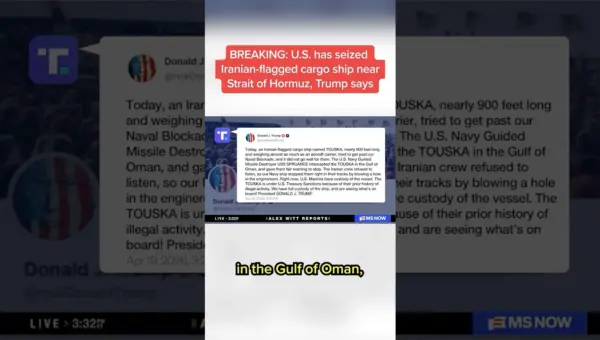
The U.S. Navy has seized an Iranian-flagged cargo ship near the critical Strait of Hormuz. Former President Donald Trump announced the interception on Truth Social, stating the vessel damaged its engine room while attempting to pass a blockade. The incident raises concerns about regional stability and global oil supply routes.
US Navy Seizes Iranian Ship, Igniting Tensions
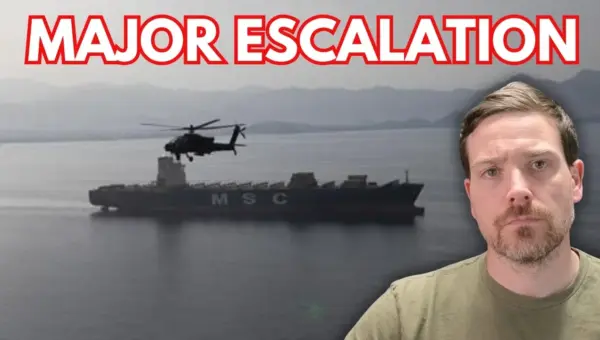
The US Navy seized an Iranian cargo ship, the Tusca, in the Gulf of Oman, escalating tensions. This action occurred as peace talks seemed possible, but Iran's expected retaliation and the volatile situation in the Strait of Hormuz cast doubt on diplomatic progress.