Trump’s Revenge Plot Backfires, Threatens Fed Pick
Donald Trump's continued pursuit of a defunct criminal probe against Fed Chair Jay Powell is backfiring, jeopardizing his own nominee for Fed chair. Senator Tom Tillis has vowed to block the confirmation until the baseless investigation is resolved, creating a significant hurdle for Trump's agenda. This situation underscores concerns about political interference in independent institutions.

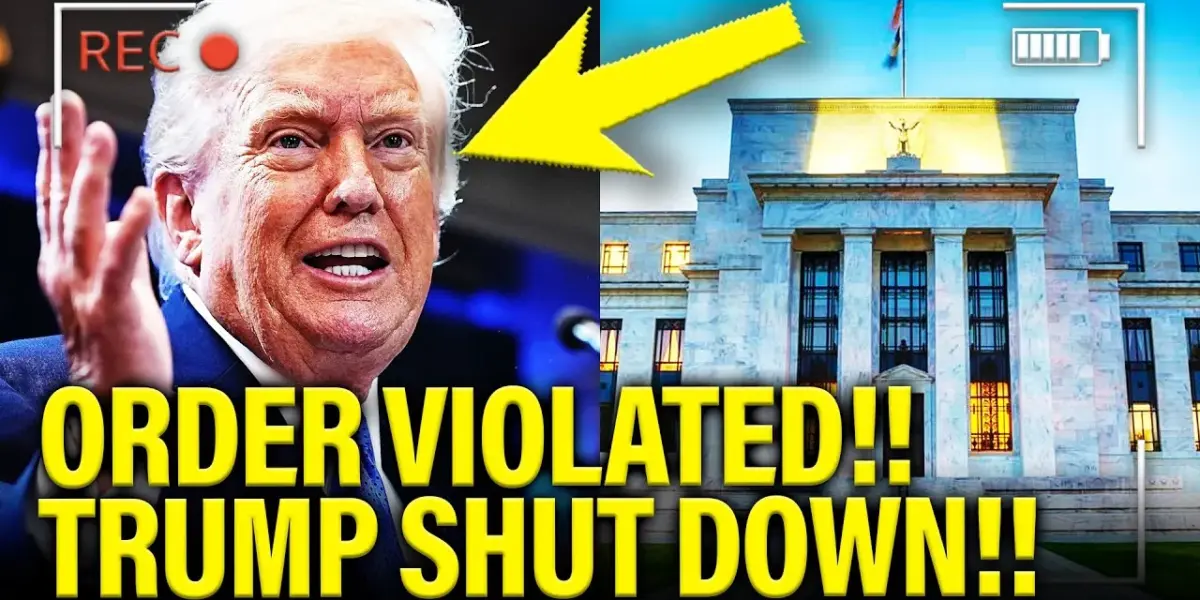
Trump’s Obsession with Fed Chair Powell Backfires
Donald Trump appears to be stuck in a loop, fixated on a criminal probe he believes targets Federal Reserve Chair Jay Powell. This probe, however, has been officially shut down by a federal judge due to a lack of evidence. Despite this, Trump continues to publicly attack Powell, even as Powell’s term as Fed chair is nearing its end.
This persistent focus on Powell seems to be a misguided revenge tactic. It is directly harming Trump’s own goals, particularly his effort to get his chosen candidate, Kevin Walsh, confirmed as the next head of the Federal Reserve.
A Judge’s Ruling and a Prosecutor’s Frustration
The criminal investigation into alleged construction cost overruns during renovations of Federal Reserve buildings has been definitively closed. Chief Judge of federal district courts in Washington D.C., Jeb Boasberg, found no evidence to support even issuing subpoenas. This ruling effectively ended the probe, much to the dismay of prosecutors like Jeanine Pirro.
Pirro expressed strong disapproval, stating that an “activist judge” had removed a key investigative tool – the grand jury subpoena. She argued that this decision left Federal Reserve Chair Jay Powell with “immunity” and prevented her office from investigating the Federal Reserve. However, reporting, which has not been denied, indicates that Judge Boasberg’s decision was based on a lack of evidence of any criminal activity related to the cost overruns.
Understanding the Cost Overruns
The Federal Reserve complex in Washington is undergoing renovations on some of its older buildings. The original cost estimates for these century-old structures did not account for the significant challenges involved. These include potential asbestos, lead paint, and outdated electrical and HVAC systems needing complete replacement.
The cost of building materials has risen significantly since the COVID-19 pandemic. Given these factors, an 80% increase in renovation costs is not unexpected. Many major construction projects in Washington, including the Department of Homeland Security campus, have experienced similar or even higher cost overruns, often between 50% and 100%.
Trump’s Misguided Strategy
Trump’s continued insistence on a criminal probe against Jay Powell, despite its closure, is counterproductive. He recently reiterated his desire to see Powell out of his position on Fox News. However, Powell’s term as chair ends on May 15th, though he can remain as a governor until 2028.
Trump’s strategy is not helping his own cause. Senator Tom Tillis, a Republican from North Carolina, has stated he will block the confirmation of Kevin Walsh, Trump’s nominee for Fed chair, as long as the probe against Powell remains a public issue. This creates a serious roadblock for Trump’s agenda.
Senator Tillis Holds the Key
Senator Tom Tillis has made his position very clear. He will not support any confirmation hearings or markups for new Federal Reserve board members, including the nominee for chair, until the investigation into Jay Powell is resolved. He believes the initial probe was a misguided attempt by a junior prosecutor seeking attention.
Tillis points out that even Republican members of relevant committees did not see evidence of criminal intent. He emphasizes that the normal protocol involves a referral from the Fed itself if a crime is suspected, which did not happen here. Tillis has stated he will vote no on any confirmation until the matter is settled, regardless of what the Treasury Secretary might suggest.
Powell’s Stance and the Confirmation Process
Jay Powell himself has indicated he has no intention of leaving the Fed board until the investigation is fully concluded. He also stated that if his successor is not confirmed by the end of his term as chair, he will continue to serve as chair until the confirmation is complete, a move that has precedent.
If Kevin Walsh is not confirmed by May 15th, Powell will remain as chair. This situation highlights the power of a single senator like Tom Tillis.
With Republicans holding a slim majority on the Senate Banking Committee, Tillis’s vote is crucial. If he sides with Democrats, Walsh’s confirmation could be blocked.
Historical Context and Independence of the Fed
The Federal Reserve is designed to be an independent institution, shielded from direct political pressure. This independence is crucial for making sound monetary policy decisions that benefit the economy long-term, rather than short-term political gains.
Past attempts by presidents to exert undue influence over the Fed have faced significant resistance. For instance, when President Trump sought to remove a Fed governor, the Supreme Court’s involvement was anticipated, suggesting a strong defense of the Fed’s independence. Firing the Fed chair without clear legal grounds, especially when no criminal case exists, could set a dangerous precedent and undermine economic stability.
Why This Matters
This situation is more than just a political squabble; it has real-world implications for the economy. The Federal Reserve’s decisions on interest rates directly impact everything from mortgage payments to business investment. Uncertainty or political interference at the Fed can lead to market instability and hinder economic growth.
Donald Trump’s actions, driven by a desire for revenge, are creating this uncertainty. By refusing to let go of a defunct investigation, he risks derailing the confirmation of his own nominee and potentially prolonging the tenure of a Fed chair he opposes. This highlights a broader concern about respecting institutional independence and allowing experts to do their jobs without political interference.
Future Outlook
The confirmation process for Kevin Walsh is now uncertain, largely due to Senator Tillis’s stance and Trump’s continued public statements. The Senate Majority Leader has urged for the probe to wrap up quickly, indicating the pressure to move forward.
The situation also raises questions about Donald Trump’s capacity to lead, with suggestions for Congress to investigate his mental fitness. The independence of the Federal Reserve remains a key issue, and any attempt to compromise it through political pressure or unfounded investigations could have significant consequences for the U.S. economy. The confirmation hearings for Kevin Walsh are set to begin on April 23rd, a critical date to watch.
Source: Trump SPIRALS FAST after REVENGE PLOT is BLOCKED (YouTube)

Related Articles
US Navy Seizes Iranian Ship Amid Strained Relations
The U.S. Navy has seized an Iranian cargo ship in the Gulf of Oman after the vessel allegedly attempted to pass an American blockade. President Trump announced the seizure, stating U.S. Marines now have custody of the ship. This incident occurs amid reports of upcoming U.S.-Iran talks, which Iran has reportedly denied participating in.
Trump’s Lawsuit Thrown Out: Was It Malice or Mistake?
A Florida judge dismissed Donald Trump's $10 billion lawsuit against The Wall Street Journal over a birthday card signed for Jeffrey Epstein. The ruling hinged on Trump's failure to prove the newspaper acted with malicious intent, a key legal standard in defamation cases.
Melania Trump’s Epstein Claim Contradicted by FBI Files
Melania Trump denied knowing Jeffrey Epstein or being introduced to Donald Trump by him. However, an FBI document from 2019, based on a witness who was present, states Epstein did introduce them. This creates a direct contradiction to her recent public statements.