Pope Francis Condemns ‘Delusional Omnipotence,’ Challenging Trump
Pope Francis has sharply criticized "delusional omnipotence" and the misuse of faith for political ends. His remarks come amid controversy over a blasphemous image of Donald Trump, with religious figures urging focus on core moral issues over distractions. The Pope's stance positions him as a moral counterweight in global discourse.

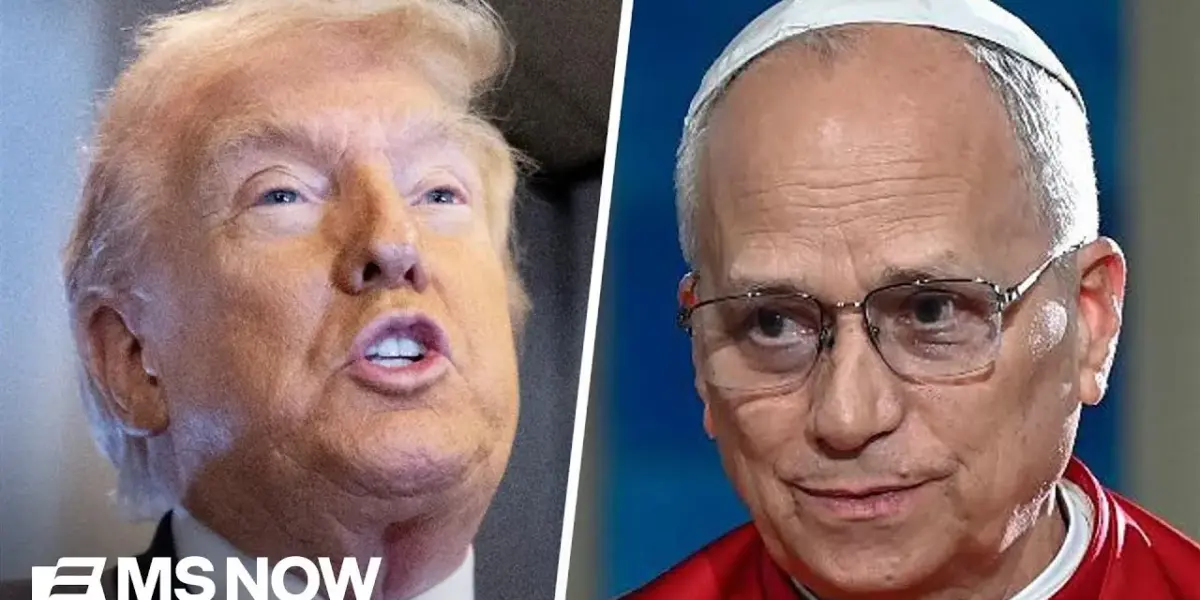
Pope Francis Issues Strong Rebuke, Challenges ‘Delusional Omnipotence’
Pope Francis has strongly condemned what he termed “delusional omnipotence,” a sentiment he believes is being used by some to justify immoral actions, including the distortion of Christian teachings for political gain. This powerful statement comes amid ongoing controversy surrounding a social media image featuring former President Donald Trump depicted in a way many have called blasphemous. The Pope’s remarks, delivered at a prayer vigil for peace, directly address the misuse of faith to rationalize actions that go against fundamental moral teachings.
Controversial Image Sparks Outrage, Distracts from Deeper Issues
The controversy began with a social media post showing Trump in an image that has drawn widespread criticism, with some viewers interpreting it as a depiction of Jesus Christ. This has led to accusations of blasphemy and extreme egotism. While the image has sparked negative reactions, Father Dave Dwyer, host of the Busted Halo show on Sirius XM, suggests that focusing solely on this “goofy image” might distract from more pressing global issues. He hopes people of faith would be equally concerned about the immoral actions Pope Francis has spoken out against.
Many, including Trump voters, have expressed strong disapproval of the image. One 44-year-old voter called the depiction “blasphemy in its purest form,” stating that while politics are one thing, stepping into that religious territory is different and “stings a little bit.” Another expressed the belief that Trump sees himself as a savior, calling the image a “disgrace” and questioning the level of egotism involved. The general sentiment among critics is one of shame and disappointment regarding the former president’s actions.
Self-Inflicted Wounds and Political Strategy
Mark Leibovitch, a staff writer for The Atlantic, questioned whether the controversial image represents a “self-inflicted wound” for Trump, asking about the upside of such a move. He noted that Trump has a history of such “self-inflicted wounds” on social media. Leibovitch also pointed out that the patient in the image bore a resemblance to comedian John Stewart, adding another layer of commentary to the situation. He questioned if this particular controversy would significantly impact Trump’s core supporters, suggesting that issues like gas prices might be more influential.
Leibovitch observed that Trump’s tendency to “say what he’s going to say” and “let it rip on social media” has often been seen as a positive by his supporters. However, he suggested that this approach, which has served as a “catch-all answer” and a defense mechanism for Trump over the years, might be starting to wear thin with various groups.
Challenging Reality and Religious Interpretation
There is a pattern of Trump challenging people’s perceptions of reality, from his statements about the January 6th events to claims about political opponents. This raises the question of whether this strategy is now backfiring, especially with a significant portion of his supporters being Catholic or Evangelical Christians who may have a strong understanding of religious teachings. Father Dwyer suggested that this might not be a strategy at all, but rather a sign of a leader who is “making it up as he goes along,” or, less charitably, “somewhat unstable these days.” He concluded that it doesn’t appear to follow any rational script.
Archbishop of Miami’s Stance and the Pope’s Moral Authority
The Archbishop of Miami was among religious leaders who commented on the situation. He told NBC News that they are in the “forgiving business” and that the Pope would not hold a grudge, as he has “bigger fish to fry.” Importantly, the Archbishop stated that the Pope has “no fear of the White House” and that the Christian mission has been “distorted by a desire for domination.” These words carry significant weight, positioning Pope Francis as a potential moral counterweight to Trump on the world stage.
Pope Francis’s Core Message: Morality Over Political Agendas
Pope Francis, speaking pointedly at the prayer vigil, addressed the “delusional omnipotence” some exhibit. He expressed deep concern over individuals using the Bible and Christianity to justify actions that are clearly immoral. Citing the Catechism, he stated that actions leading to the destruction of entire civilizations are a sin against God and humanity, and must be unequivocally denounced. Father Dwyer believes the controversial image may be acting as a distraction, inviting people to refocus on critical issues like war and immigration, which Catholics are actively trying to address.
Critique of ‘Stay in Your Lane’ Mentality
The discussion also touched upon comments from J.D. Vance, a Catholic convert, who suggested the Pope should “stick to morality and stay out of public policy.” Father Dwyer found this interesting, particularly coming from an administration that has often embraced religiosity. He questioned whether Vance fundamentally misunderstands the role of a Pope. Father Dwyer offered his own experience: when someone tells him, as a priest, to “stay out of politics” or “stay in your lane,” it almost always means “it’s not their politics.” He explained that if people agreed with the message, they would likely encourage the speaker, rather than asking them to remain silent.
The Pope’s Role: Voice of the Gospel, Not a Politician
Pope Francis himself has stated, “I’m not a politician. I’m not looking for votes. I’m the voice of the gospel.” This self-definition highlights his commitment to moral and ethical guidance rather than political maneuvering. The exchange underscores a broader debate about the role of religious leaders in public life and the potential for faith to be manipulated for political purposes.
Looking Ahead: Moral Leadership and Political Discourse
The coming months will reveal how these powerful statements from Pope Francis resonate within political discourse and among religious communities. The tension between religious authority and political ambition, particularly highlighted by the Trump controversy, will likely continue to be a focal point. Observers will be watching to see if the Pope’s call for moral clarity can cut through the noise of political campaigns and influence public understanding of ethical leadership.
Source: If someone says priests should stay out of politics 'it's because it's not their politics': Priest (YouTube)

Related Articles
Trump’s Iran Talks Collapse: MAGA Movement Faces Crisis
Reports from April 14, 2026, indicate a significant setback for Donald Trump's foreign policy efforts as Iran talks appear to have failed. This development raises concerns about regional stability and could impact the core of the MAGA movement.
Trump’s Puppets Dance: Vance’s Fear Amidst Leader’s Fury
A report suggests Senator J.D. Vance feels he's walking on eggshells around Donald Trump. Vance's recent mission to Pakistan for Iran talks is seen by some as a setup for potential failure. This, combined with Trump's reported strategy of pitting rivals against each other, could lead to Vance being pressured to resign.
Ex-CIA Chief Panetta Calls Trump’s Iran Tactics ‘Nuts’
Former Defense Secretary Leon Panetta described President Trump's public threats and negotiation tactics with Iran as "nuts." He argued that sensitive international talks require privacy and trust, not public pronouncements. Panetta also criticized Trump's personal attacks on Pope Francis, calling the behavior "strange beyond belief" and damaging to U.S. credibility.