Trump’s Puppets Dance: Vance’s Fear Amidst Leader’s Fury
A report suggests Senator J.D. Vance feels he's walking on eggshells around Donald Trump. Vance's recent mission to Pakistan for Iran talks is seen by some as a setup for potential failure. This, combined with Trump's reported strategy of pitting rivals against each other, could lead to Vance being pressured to resign.

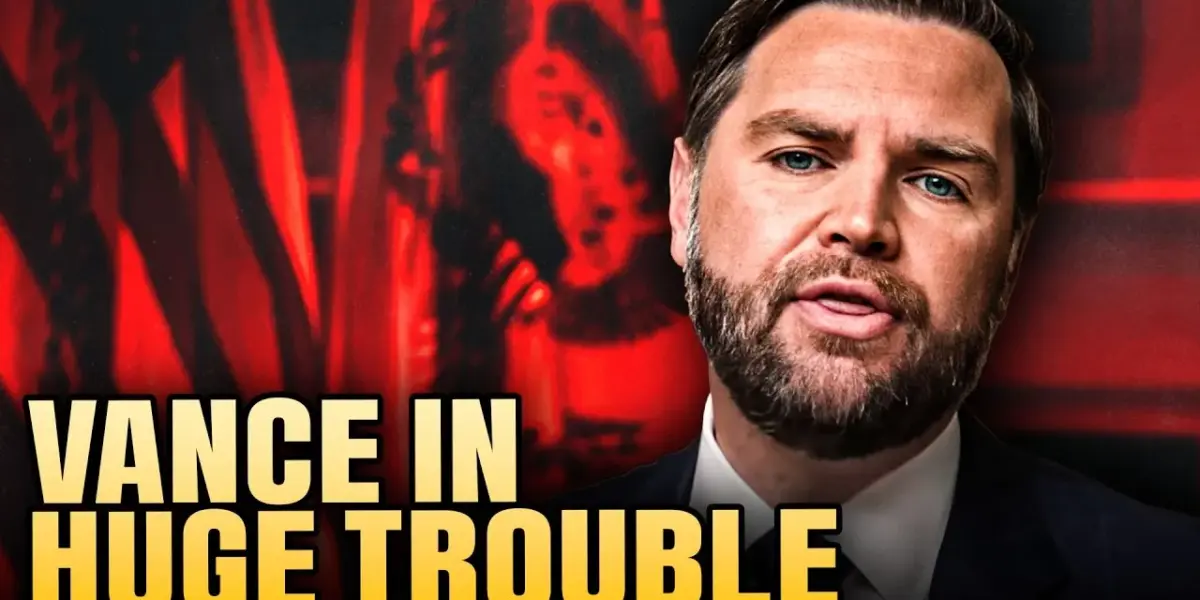
Vance’s Uneasy Alliance with Trump Revealed
Senator J.D. Vance reportedly feels like he’s constantly walking on eggshells around Donald Trump. This feeling comes from a close friend of Vance, who spoke to The Wall Street Journal. Vance apparently shared this concern, especially with his own views on avoiding war, which sometimes clash with Trump’s approach. It paints a picture of a tense relationship where Vance must carefully choose his words and actions.
A Risky Mission to Pakistan
This tension seemed to be on full display when Vance traveled to Pakistan for talks with Iran. The trip, requested by Trump, was seen by some as a setup for failure. Vance was tasked with leading these negotiations, a significant responsibility. However, the friend’s comments suggest Vance was already worried about Trump’s reaction, even before embarking on this mission.
Trump’s Strategy: Divide and Conquer
The report also highlights a pattern in how Trump manages potential rivals for the 2028 election. Instead of endorsing one person, Trump has reportedly pitted both Vance and Senator Marco Rubio against each other. He wants to see them compete, perhaps to weaken them both. Trump’s goal seems to be to have a clear winner and loser, using failure as a tool to control those around him.
Rubio: The Favorite, Vance: The Scapegoat?
With this strategy, Marco Rubio appears to be Trump’s favored figure right now. J.D. Vance, on the other hand, seems to have become the person who can’t seem to do anything right. This is a stark contrast to Rubio, who, despite once reportedly hiding from Trump on Air Force One, is often seen as the loyalist. Trump appears to value this kind of apparent loyalty, even if it involves avoidance.
The Vice President’s Dilemma
The most striking part of this analysis concerns the Vice Presidency. While Trump doesn’t have the direct power to fire the elected Vice President, the scenario suggests a different path. Trump could publicly pressure Vance to resign. If Vance refused, Trump could then use his platform to repeatedly call Vance a failure. This public humiliation, the argument goes, could force Vance’s hand.
Appointing a Successor
If Vance were to resign under such pressure, the Constitution allows the President to appoint a new Vice President. This could open the door for figures like House Speaker Mike Johnson, who might face job losses after the November elections, or perhaps Marco Rubio himself. The prediction made is that Vance may not complete his current term, forced out by Trump’s tactics.
Phase One: The Iran Talks
The recent trip to Pakistan for Iran talks is framed as just the beginning of this plan. It’s seen as “phase one” of Trump’s efforts to remove Vance. By sending him on a mission that might not succeed, Trump could be setting the stage to later claim Vance is not up to the job. This approach aims to discredit Vance publicly and force his departure through shame and pressure.
Why This Matters
This situation reveals a lot about the dynamics of power within certain political circles. It shows how a leader’s personal feelings and strategic maneuvering can impact the careers of those seeking to align themselves with him. The idea that a political figure might be deliberately set up for failure, and then publicly shamed into resignation, raises questions about the nature of loyalty and ambition in politics. It also highlights how public perception, heavily influenced by a leader’s pronouncements, can become a powerful weapon.
Historical Context
Throughout history, leaders have often used various tactics to maintain control and manage their inner circles. Sometimes, this involves promoting those who are seen as loyal and sidelining or undermining those who show signs of independence or dissent. The strategy of creating rivalries among subordinates is not new; it can serve to keep potential successors focused on fighting each other rather than challenging the leader. This approach can also ensure that the leader remains the ultimate arbiter of success and failure.
Trends and Future Outlook
The current political climate often sees strong personalities at the center of major parties. The ability of a leader to command intense loyalty, and to exert significant influence over the careers of others, is a recurring theme. If this pattern of public pressure and strategic humiliation continues, we might see more instances where political figures are forced to navigate treacherous relationships, constantly aware of their leader’s approval. The future could involve even more public displays of political maneuvering, where loyalty is tested and potentially broken through calculated actions designed to weaken or remove individuals deemed less useful or more threatening.
Source: JD Vance STRUGGLING To Survive As Trump Rages At Him (YouTube)

Related Articles

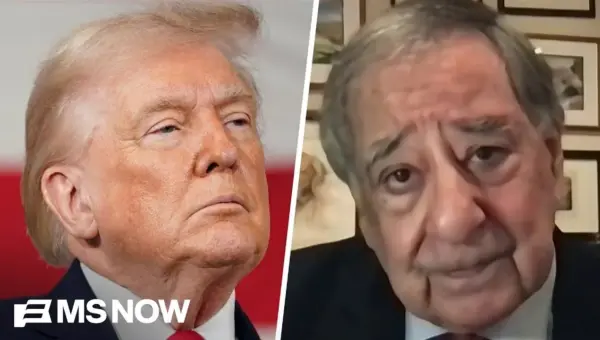
Ex-CIA Chief Panetta Calls Trump’s Iran Tactics ‘Nuts’
Former Defense Secretary Leon Panetta described President Trump's public threats and negotiation tactics with Iran as "nuts." He argued that sensitive international talks require privacy and trust, not public pronouncements. Panetta also criticized Trump's personal attacks on Pope Francis, calling the behavior "strange beyond belief" and damaging to U.S. credibility.
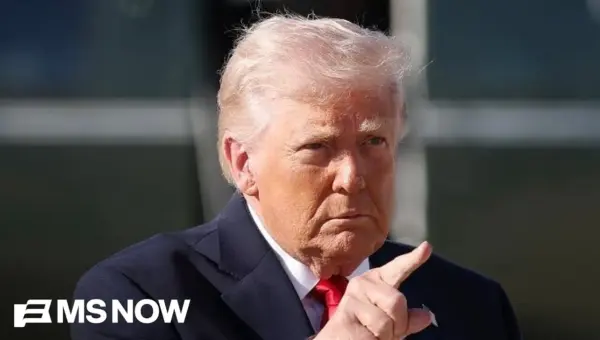
Trump’s Erratic Actions Spark New Fitness-to-Lead Debate
Concerns about Donald Trump's psychological fitness to lead have resurfaced following a series of erratic statements and actions, including threats against Iran and controversial social media posts. While defenders claim these are strategic maneuvers, critics worry about the potential dangers of such volatility, especially during times of international conflict. The debate has even led to discussions about the 25th Amendment, though its practical application remains unlikely.
Nation’s Focus Shifts: Birthday Bash Overshadows Failed Iran Talks
While Vice President JD Vance announced the failure of US-Iran talks, the White House rapid response team focused on promoting Donald Trump's 80th birthday party. This decision raises questions about the priorities and use of public resources during critical international moments.