Red State Shocker: Iowa Governor’s Race Flips to Toss-Up
Iowa's gubernatorial race has shifted to a toss-up, with Democrat Rob Sand challenging the status quo. Sand attributes the change to voter frustration over economic issues, perceived corruption, and leaders out of touch with Iowans' needs. His campaign is attracting support from across the political spectrum.

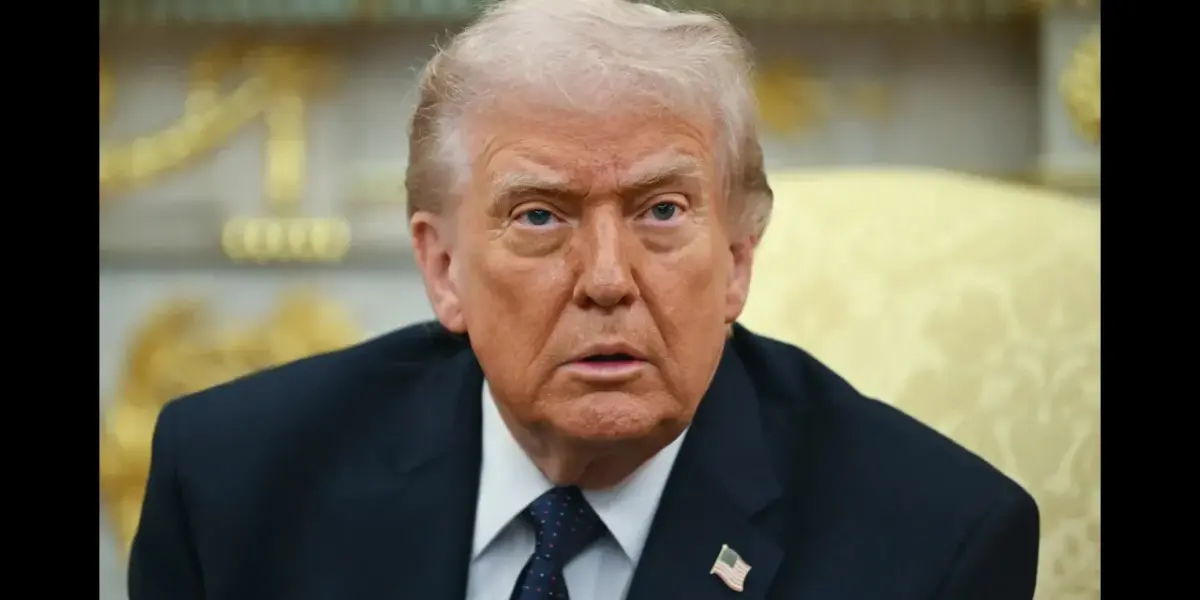
Red State Shocker: Iowa Governor’s Race Flips to Toss-Up
A significant shift has occurred in Iowa’s political landscape. The Cook Political Report, a respected non-partisan tracker of elections, has moved the state’s gubernatorial race from ‘lean Republican’ to a ‘toss-up’. This change signals a potential upset in a state that has leaned heavily Republican for years. Democratic candidate Rob Sand, currently serving as Iowa’s State Auditor, believes this move is actually overdue, stating that his campaign has had momentum for some time.
A History of Shifting Tides
Iowa hasn’t always been a Republican stronghold. Barack Obama won the state in both 2008 and 2012. However, in recent elections, the state has moved further into the Republican column. This latest rating change suggests that the Democratic party may be finding fertile ground once again, even in traditionally red territory. Sand’s own electoral success, having won statewide twice as Auditor, provides him with a recognized name and a track record that resonates with voters.
Why the Change? Sand Points to Neglect and Misplaced Priorities
Rob Sand attributes the shift to several key factors. He highlights his own consistent engagement with Iowans, visiting all 100 county seats annually. This direct approach, he argues, contrasts sharply with current leadership that he feels has lost touch with the everyday concerns of the state’s residents. Sand points to economic indicators that show slow personal income growth in Iowa over the past three years, ranking it poorly nationwide.
He criticizes state leaders for focusing on issues like making it harder to track misspent tax money, rather than addressing the economic struggles of ordinary Iowans. Sand specifically mentions voter frustration with a school voucher program lacking accountability and the use of eminent domain for carbon capture pipelines. These issues, he believes, alienate voters who feel their leaders are out of touch and not working in their best interest.
Economic Woes Hit Home
The impact of national and international events is also being felt acutely in Iowa. Sand discusses how the conflict in Iran and the potential closure of the Strait of Hormuz have severely impacted Iowa’s farmers. A significant portion of the world’s fertilizer passes through this vital waterway. Disruptions there mean farmers face shortages and skyrocketing prices, exacerbating an already difficult situation in a market with few major sellers.
Sand criticizes Republican officials for what he calls a blindness to the truth, suggesting they are too aligned with party loyalty to acknowledge the negative impact of policies like tariffs on Iowa’s economy. He notes a disturbing rise in bankruptcies and suicides among farmers, calling the elected officials’ unwillingness to speak the truth about these hardships “offensive.”
Reaching Across the Aisle
Winning in a state like Iowa requires appealing to independent and Republican voters, not just Democrats. Sand reports an astonishing statistic: his campaign has attracted more registered Republican donors than any of the five Republican candidates running for governor. This suggests a deep level of frustration among Republican voters with the status quo.
Sand’s campaign slogan, “Not Redder or Bluer, but Better and Truer,” reflects an effort to unite people beyond party lines. He believes many voters are tired of the two-party system, which he describes as “private clubs” that are poor at solving problems. He shares an anecdote about a voter whose Republican father, initially dismissive, ended up donating to Sand’s campaign, illustrating the campaign’s ability to bridge divides.
Fighting Corruption, Building Trust
Sand’s background as a chief public corruption prosecutor and his uncovering of the largest lottery rigging scheme in American history adds a unique dimension to his campaign. He is campaigning on a platform of accountability for all, proposing measures like banning stock trading for elected officials and mandatory prison time for those who steal taxpayer money. These proposals directly address voter concerns about corruption and a sense that crime is becoming normalized.
He acknowledges the difficulty of criticizing one’s own party in today’s polarized climate. However, his campaign actively works to create spaces for constructive dialogue. Through public town halls and events called “Democracy Revivals,” Sand aims to bring together Democrats, independents, and Republicans to have balanced conversations. These events encourage attendees to find common ground and recognize that the two-party system might be a larger problem than their neighbors.
Why This Matters
The shift in Iowa’s gubernatorial race from leaning Republican to a toss-up is more than just a local political development. It reflects a broader trend of voters in traditionally Republican states becoming disillusioned with the current political leadership and its priorities. The focus on economic hardship, perceived corruption, and a feeling of being ignored by out-of-touch leaders are powerful motivators for change.
Sand’s success in attracting Republican donors and his focus on unity over division offer a potential roadmap for Democrats seeking to compete in red states. It suggests that by focusing on common concerns and offering a message of integrity and pragmatic problem-solving, candidates can resonate with voters across the political spectrum. The Iowa race highlights the potential for a political realignment driven by economic anxieties and a desire for more responsive governance.
Implications, Trends, and Future Outlook
This development in Iowa could embolden Democrats in other red states to challenge incumbent Republicans. It signals that voter loyalty is not absolute and that dissatisfaction with economic performance and perceived corruption can override party affiliation. The trend suggests a growing segment of the electorate is open to candidates who prioritize practical solutions and transparency over partisan purity.
The future outlook for Iowa’s politics, and potentially for similar states, will depend on whether this momentum can be sustained. If Sand’s campaign continues to gain traction, it could inspire a new wave of candidates who are willing to engage directly with voters and address their core concerns. The emphasis on accountability and bridging divides, as championed by Sand, may become increasingly important strategies for political success in an era of deep polarization.
Historical Context
Iowa’s political history shows it has been a swing state in the past, notably electing Democratic presidents in 2008 and 2012. This suggests that the state’s electorate is not inherently locked into one party. The current shift can be seen as a return to a more competitive era, driven by specific issues and candidate qualities rather than just party labels. The narrative of leaders losing touch with the needs of ordinary people is a recurring theme in American political history, often preceding significant electoral shifts.
Furthermore, Sand’s focus on corruption echoes historical movements that have sought to reform government and increase transparency. His background in prosecuting fraud and his proposals for accountability resonate with a long-standing public desire for honest and effective leadership. This historical context suggests that when voters feel their trust has been betrayed, they are willing to seek out alternatives, even in states with strong party allegiances.
Source: Trump takes HUGE HIT in deep red state (YouTube)

Related Articles
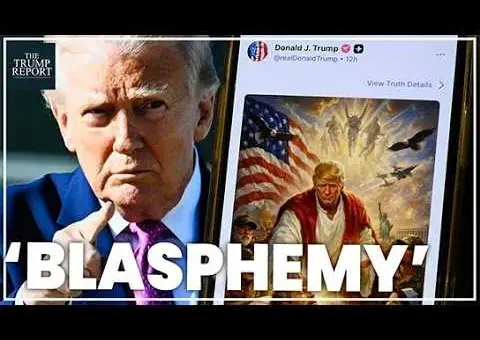
Trump’s Risky Blockade & Divine Images: A Troubled Presidency
President Trump's naval blockade of Iran is a high-risk gamble, potentially escalating regional conflict. Meanwhile, controversial AI imagery and legal battles reveal fractures in his support base and a strained relationship with the media.


New York Faces Talent Exodus Amid High Taxes, Says Candidate
New York faces a significant population and capital "brain drain" due to high taxes and "tax and spend" policies, according to gubernatorial candidate Bruce Blakeman. He criticizes current leadership for making the state unaffordable and vows to cut taxes and regulations if elected. The trend impacts businesses and residents seeking lower living costs.

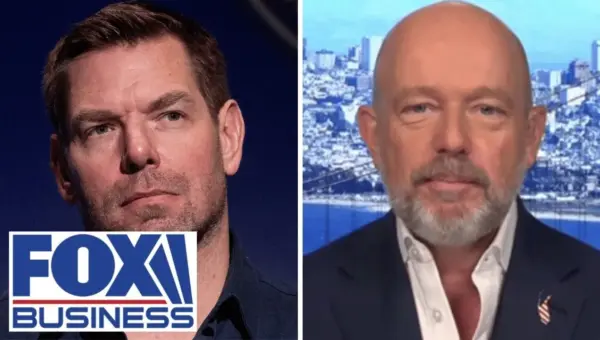
California Governor Race Heats Up Amid Capitol Scandal
Allegations surrounding Congressman Eric Swalwell have intensified scrutiny in California's gubernatorial race. Republican candidate Steve Hilton claims the issues were an "open secret" and criticizes Democratic support for Swalwell. Hilton also discusses his own lead in the GOP primary, bolstered by a Trump endorsement.