Robot Cleans Up Streets, Chasing Wild Boars Away
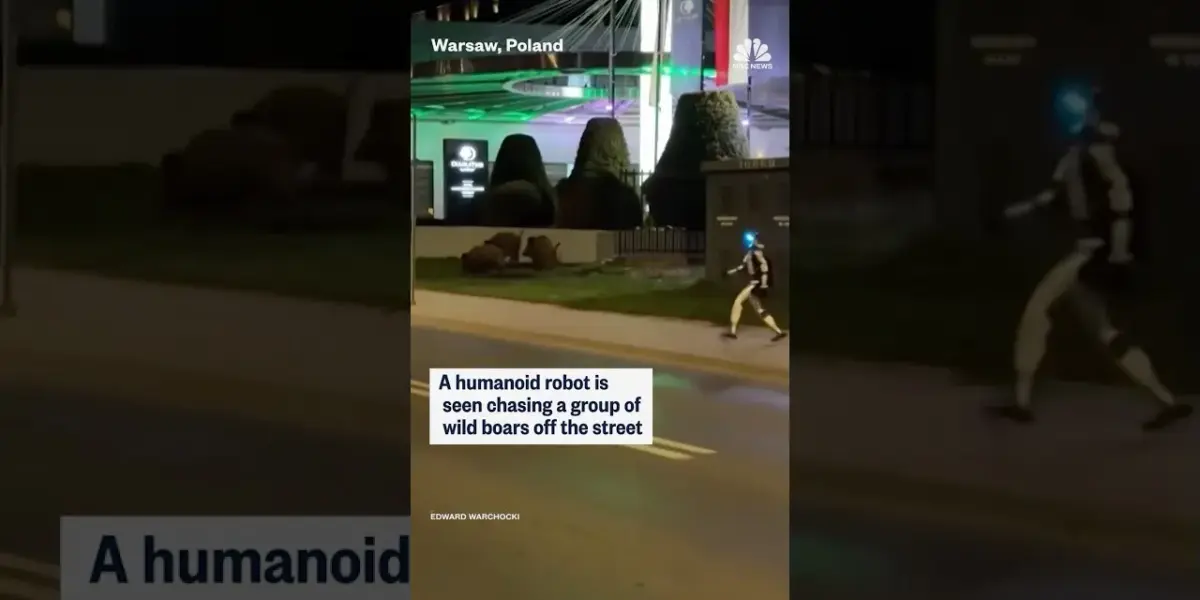
A humanoid robot was recently filmed chasing a group of wild boars off a city street, showcasing the evolving capabilities of robotics in public spaces. The incident highlights how robots might handle unexpected encounters with urban wildlife, prompting discussions about their future roles in public safety and animal management.

Robot Patrols City Streets, Scares Off Wild Boars
A surprising sight unfolded on a city street recently when a humanoid robot was filmed actively chasing a group of wild boars. The unusual incident, captured on video, shows the robot moving purposefully towards the animals, causing them to scatter and flee the area. This event highlights the growing capabilities of robotics in public spaces and offers a glimpse into how automated systems might handle unexpected urban wildlife encounters.
The Incident Unfolds
The video shows the robot, a bipedal machine designed to resemble a human, approaching a group of wild boars that had gathered on the street. Instead of ignoring the animals or waiting for human intervention, the robot moved directly towards them. Its presence and movement were enough to startle the boars, which then ran away from the robot and the street. The robot’s actions suggest an ability to assess and respond to its environment, even in unpredictable situations involving animals.
Robotics in Public Spaces
This event raises questions about the expanding role of robots in our daily lives. While robots are increasingly used in manufacturing and logistics, their deployment in public areas for tasks like patrolling or managing situations is still relatively new. The robot’s ability to interact with wildlife, even by simply scaring them off, demonstrates a level of operational flexibility.
Experts suggest that such robots could be programmed to handle various public safety tasks. This might include monitoring areas, responding to minor disturbances, or even assisting in crowd control. The incident with the wild boars serves as a real-world example of a robot performing an unexpected but effective duty.
Why Wild Boars Are a Concern
Wild boars are becoming a common problem in many urban and suburban areas. They often roam in groups, known as sounders, searching for food. Their presence can cause damage to gardens, parks, and other green spaces. More importantly, they can pose a risk to public safety. Wild boars can be aggressive, especially when they feel threatened or are protecting their young. Encounters can lead to injuries for pedestrians and damage to vehicles.
Cities around the world are struggling to manage growing wild boar populations. Traditional methods include fencing, deterrents, and sometimes culling. The idea of using robots to manage these situations offers a potentially non-lethal and less intrusive approach. A robot could, in theory, patrol areas known for boar activity and deter them before they cause significant problems.
Future Implications of Robot Intervention
The footage of the robot chasing boars provides a fascinating look at potential future scenarios. Imagine robots patrolling parks at night to keep wildlife away from residential areas, or robotic systems managing traffic disruptions caused by animal crossings. While this specific robot was not designed for wildlife management, its actions show that robots can be adaptable problem-solvers.
The development raises ethical and practical considerations. How should robots be programmed to interact with animals? What are the safety protocols to ensure neither the robot nor the animals are harmed? These are important questions as robotic technology becomes more integrated into our public infrastructure. The goal would be to enhance safety and order without causing undue harm.
What’s Next?
This incident is a clear sign that robotics is moving beyond factories and into the unpredictable world outside. As technology advances, we can expect to see more robots performing diverse tasks in public spaces. The key will be developing robots that are safe, effective, and capable of handling the unexpected challenges of the real world. Future developments may focus on robots specifically designed for urban wildlife management, offering a new tool for city planners and animal control services.
Source: A humanoid robot is seen chasing a group of wild boars off the street (YouTube)

Related Articles


Robots Turn Tide: Ukraine’s Tech Edge Crushes Russian Forces
Ukraine's innovative use of ground robotics is fundamentally altering the nature of warfare, offering a strategic advantage over Russia. These machines are reducing casualties, enabling territorial gains, and paving the way for Ukraine's future economic strength.


Man identifying as ‘Lucifer’ attacks subway riders
A man identifying as 'Lucifer' attacked three elderly individuals with a machete at New York's Grand Central Station before being shot and killed by police. The victims sustained non-life-threatening injuries. Investigators are probing the motive behind the seemingly random assault.

AI Deer: A Glimpse into Companionship?
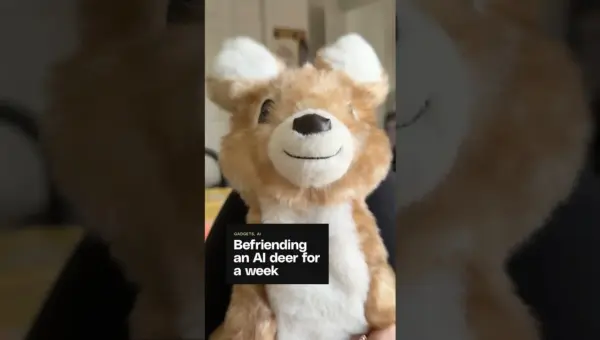
Coral, an AI-powered fawn, offers a unique blend of chatbot and social robot, voiced by Skyler Gray. While designed to spark conversation, its $3.99 monthly subscription and uncanny design raise questions about AI companionship.