Trump’s War Talk Falters on Fox, Exposing Deep Strategy Gaps
An interview on Fox News revealed significant inconsistencies in Donald Trump's statements regarding a supposed war strategy and economic issues. The host's visible discomfort and the interview's abrupt end highlighted the challenges in communicating clear objectives, leading to public confusion and impacting approval ratings.

Trump’s War Talk Falters on Fox, Exposing Deep Strategy Gaps
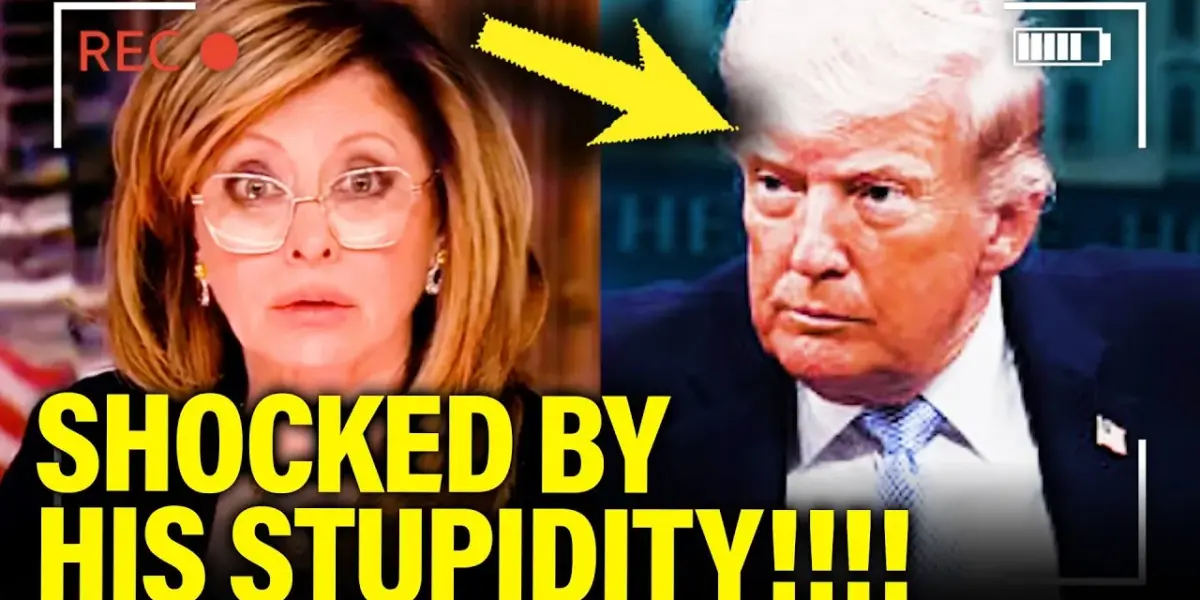
When even a friendly news host struggles to keep up with a guest’s talking points, it’s a sign that things aren’t going as planned. This was the case during a recent interview with Donald Trump on Fox News, where his statements about a supposed war strategy seemed to unravel in real-time. The situation became so muddled that the host, Maria Bartiromo, appeared visibly uncomfortable, signaling a potential shift even within a network often seen as supportive of Trump.
Conflicting Messages on Iran and Oil Prices
The interview touched on several key issues, including the price of oil and gas and the conflict with Iran. When asked if gas prices would fall before the midterm elections, Trump offered a hesitant response, suggesting they might stay the same or even rise slightly. This uncertainty about a core economic concern for many Americans highlighted a lack of clear answers.
The conversation then veered into Trump’s criticism of Pope Francis. Trump expressed strong disagreement with the Pope’s views on nuclear weapons and crime, stating, “I don’t like a pope that’s going to say that it’s okay to have a nuclear weapon. We don’t want a pope that says crime is okay in our cities.” He also accused the Pope of misinterpreting the message of the gospel and stated his own role was not political, despite his strong words.
Adding to the confusion, Trump claimed that under President Biden, a war would have never happened, contrasting it with his own supposed success in ending wars. He also brought up his renaming of the Gulf of Mexico to the “Gulf of America,” an anecdote he presented as a personal achievement that made people in coastal states happy. He even mentioned briefly considering naming it the “Gulf of Trump” before deciding against it.
A Pattern of Contradiction
The interview’s most striking element was the sheer inconsistency in Trump’s statements regarding the conflict with Iran. Over a short period, he issued a series of contradictory claims about winning the war, defeating Iran, attacking Iran, and the war ending. This rapid back-and-forth demonstrated a lack of a firm, consistent strategy or clear communication.
For example, on March 3rd, he declared victory. By March 7th, he stated Iran was defeated. Then, on March 9th, he suggested an attack was necessary.
Later that same day, he claimed the war was ending beautifully. This pattern continued for days, with Trump oscillating between asserting victory and seeking help, sometimes within the same day. One moment he stated, “We won the war,” and the next, “We won, but we haven’t won completely yet.” This inconsistency extended to his stance on NATO and international cooperation, further muddying the waters.
“Trying to get a clear answer from Trump is a tough task at any given moment. But when he’s on Fox News and he’s rambling going into territory that they’ve already faced major repercussions over, it’s clear the interview wasn’t going the way that they intended. And so they cut it early.”
Public Discontent and Economic Impact
The interview’s lack of clarity seemed to mirror the public’s growing frustration, particularly regarding economic issues. Fox News’s own polling showed declining approval ratings for the president on key issues like Iran, inflation, and the economy. A significant majority of registered voters disapproved of his performance in these areas.
The connection between the conflict and rising oil prices was a major concern for viewers. Many expressed anger and confusion over paying more at the pump for situations they felt they had no control over and didn’t believe in.
One individual noted, “It’s stupid. It’s so stupid that I’m being forced to pay more at the pump for things that I don’t have any say in.” The rising cost of living was described as making things “very, very difficult for working families right now.”
Host Discomfort and Interview Cut Short
As the interview progressed, Bartiromo’s discomfort became evident. The rambling nature of Trump’s answers, his jumps between unrelated topics like the election being stolen and the renaming of the Gulf of Mexico, and his contradictory statements on critical issues likely contributed to her unease. The interview appeared to be heading in a direction that was not beneficial for the narrative the network might have intended to convey.
Ultimately, the interview was cut short. This abrupt ending suggested that the conversation had become unmanageable or unproductive for the host and the network. Instead of clarifying a war strategy or reassuring viewers, the interview produced more confusion and visible discomfort, highlighting a significant disconnect between Trump’s messaging and the desired outcome.
Why This Matters
This incident is important because it reveals the challenges in communicating complex foreign policy and economic strategies to the public. When a leader’s statements are inconsistent and lack clear objectives, it erodes trust and can lead to public frustration, especially when those issues directly impact people’s lives, like the price of gas. For a news network that often provides a platform for such discussions, the visible struggle of a host to manage the narrative points to the difficulty in controlling the message when faced with such contradictions.
Implications and Future Outlook
The ongoing inconsistency in messaging around foreign policy and economic issues could continue to affect public perception and trust. As elections approach, voters often look for clear leadership and stable policies. The visible confusion and discomfort during the Fox News interview suggest that Trump’s attempts to rally support through strong, albeit contradictory, pronouncements may not be as effective as intended.
The trend of voters showing disapproval in polls on key issues like inflation and the economy indicates a growing demand for concrete solutions rather than ambiguous statements. The future may see continued scrutiny of such pronouncements, with voters and media alike seeking greater clarity and consistency in leadership.
Historical Context
Throughout history, clear communication and a consistent strategy have been vital for political leaders, especially during times of international conflict or economic uncertainty. The public often relies on leaders to provide a sense of stability and direction.
When that communication breaks down, as seen in the interview transcript, it can lead to public doubt and a questioning of leadership capabilities. The specific context here involves ongoing geopolitical tensions and their direct impact on global energy markets, making clear and reliable information particularly crucial for both citizens and global stability.
Source: Fox News COLLAPSES ON AIR as Trump WAR SPIRALS!! (YouTube)

Related Articles
Powell Vows to Stay as Fed Chair Amid Investigation
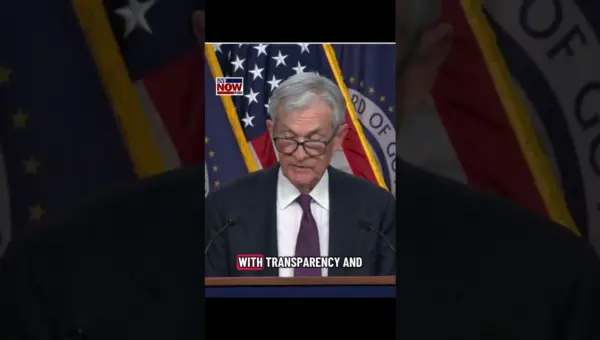
Federal Reserve Chair Jerome Powell has announced he will remain in his post if a successor is not confirmed by the end of his term on May 15th. He also stated his intention to stay on the Board of Governors until an ongoing investigation into Fed officials' trading activities is fully resolved. Powell's commitment provides stability as the central bank navigates these challenges.
Fed Holds Rates Steady Amid Global Uncertainty, Inflation Fears
The Federal Reserve announced today it is holding interest rates steady for the second consecutive meeting. This decision comes amid rising global uncertainty, particularly due to the war in the Middle East and its impact on oil prices. The Fed also raised its inflation forecast, indicating expectations of higher consumer prices.

Bolton Slams Trump’s Iran Policy as ‘Snake-Like’
John Bolton, former National Security Advisor, has strongly criticized former President Trump's Iran policy as "snake-like" and lacking a clear strategy. Bolton stated that Trump's decisions were often impulsive, undermining U.S. credibility and creating instability in the Middle East. He called for a more consistent and strategically grounded approach to foreign policy.