Israel Sets ‘Yellow Line’ in Lebanon, Sparking Occupation Fears
Israel has established a new 'yellow line' in southern Lebanon, a move that mirrors its strategy in Gaza and raises concerns about a potential long-term occupation. Amidst a fragile ceasefire, displaced families are returning home to find destruction, while experts analyze Israel's evolving security doctrine. The region faces an uncertain future, with deep divisions within Israel about the ongoing conflicts.

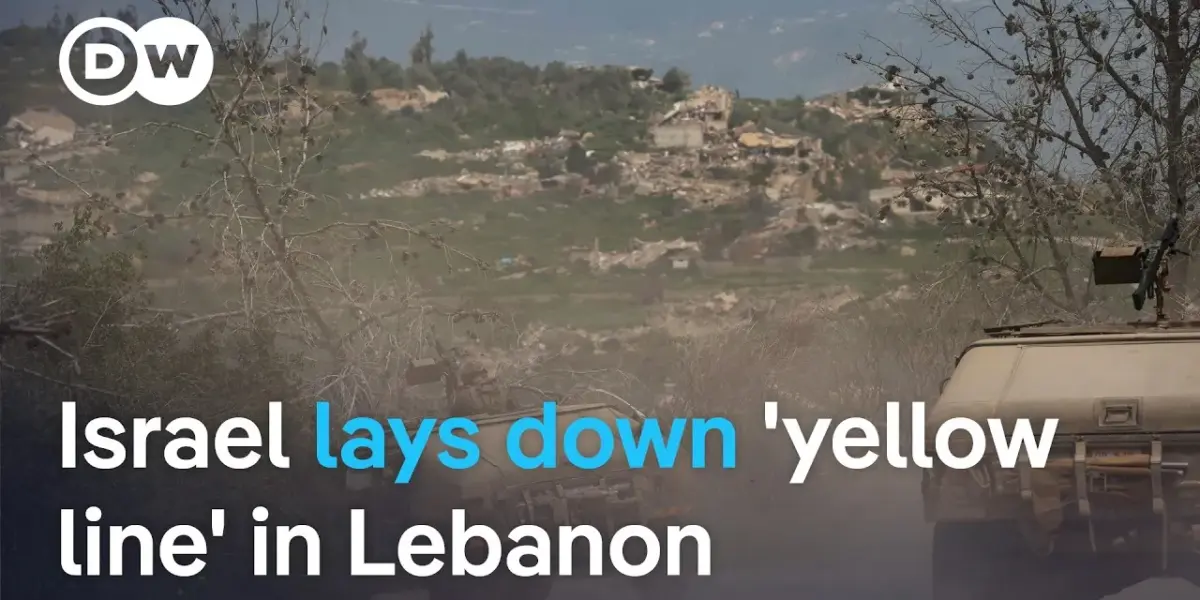
Israel Establishes New ‘Yellow Line’ in Lebanon
Amidst a fragile ceasefire with Hezbollah, Israel has established a new boundary in southern Lebanon, dubbed a ‘yellow line.’ This move, similar to one previously used in Gaza, has raised concerns about a potential long-term Israeli presence. The Lebanese army is working to clear paths where Israeli strikes destroyed bridges, as displaced families begin returning home.
Thousands of people displaced by the conflict have started heading south since a 10-day ceasefire was declared. “I hope that the 10 days of ceasefire will end well and that people will return to their homes safe and the crisis will be over,” one resident expressed. However, many families returning home found their homes destroyed, like the Hamsa family, who are preparing to flee again if fighting resumes.
What is the ‘Yellow Line’?
The Israeli military has described this ‘yellow line’ as a demarcation zone near the border. This is the first time the term has been publicly applied to Lebanon, leading to worries that a temporary security area could become a permanent occupation. The Israeli Army stated that it conducted strikes against individuals identified as terrorists within the zone in self-defense during the ceasefire.
Israel’s defense minister has pledged to eliminate all threats to Israel’s northern communities. “From this line, which our heroic soldiers captured, the Israel Defense Forces defend Israeli communities from any direct threat,” he stated, referencing a zone extending up to 10 kilometers from the coast and towards Mount Herman.
Lebanese and Israeli Perspectives
From the Israeli side of the border, the destruction in Lebanon is clearly visible. Many Israelis are skeptical about the ceasefire holding, comparing Hezbollah to Hamas. “The war is not over with Hezbollah.
Hezbollah is like Hamas in Gaza. Is Hamas done in Gaza?
No,” one person observed. The belief that Iran’s funding allows Hezbollah to survive fuels this skepticism.
Back in Lebanon, more people are traveling south, some displaying Hezbollah flags. For now, the road south is open, but the journey home remains as uncertain as the ceasefire itself. The situation highlights the ongoing instability and the deep-seated mistrust between the parties.
Expert Analysis on Israel’s New Security Doctrine
Aaron David Miller, a senior fellow at the Carnegie Endowment for International Peace, believes Israel has adopted a new security doctrine following the October 7th attacks. This doctrine emphasizes operating within the territory of adversaries, not just preventing attacks.
“Prevention and preemption is not enough. It’s important to begin to operate in the actual territory and space of Israel’s adversaries,” Miller explained.
He points to examples in Gaza, Syria, and the West Bank where Israel has increased its military presence and operational space. In Lebanon, this translates to a more assertive military posture. “The reality is the Israelis are much more risk ready in Lebanon.
They will preempt and prevent. They will probably harden some of those positions,” Miller noted.
“The reality is the Israelis are much more risk ready in Lebanon. They will preempt and prevent. They will probably harden some of those positions.”
Aaron David Miller, Senior Fellow, Carnegie Endowment for International Peace
Occupation vs. Enhanced Military Presence
Miller clarified that this does not necessarily mean a formal occupation with settlements, unlike Israel’s past presence in Gaza. Instead, it involves a significantly increased and more aggressive Israeli military presence in southern Lebanon. “You’re just talking about a much heavier Israeli military presence,” he stated.
He also expressed doubt about the long-term effectiveness of this strategy, as Israel cannot destroy Hezbollah, and the Lebanese government lacks the will to disarm the group. This ongoing conflict is expected to remain a tragic story for civilians on both sides of the border.
Prospects for Lasting Peace
Miller is pessimistic about the prospects for lasting peace in the Middle East in the near future. He suggests that terms like ‘peace agreement’ might be inappropriate, given the nature of existing treaties with Jordan and Egypt, and the transactional relationships seen in the Abraham Accords.
He described the region as likely to remain “dysfunctional, angry, and unlike many other parts of the world, continue to be a pretty broken, conflict, conflict-ridden nation.” This outlook suggests a continuation of regional instability and conflict.
Divergent Views Within Israel on the Conflict
While a fragile ceasefire holds, public opinion in Israel is divided. Most Israelis appear to support the ongoing military actions in Gaza and Lebanon, with polls showing high percentages in favor of continued fighting.
However, a minority actively protests the wars. Mal Broady, founder of the organization Mother’s Cry, believes the government is misleading the public and leading citizens toward catastrophe. “If we don’t oppose, we will all be dead.
THAT’S WHAT THE GOVERNMENT is going to. The government is killing us all,” she stated.
Support for War and the ‘Greater Israel’ Concept
Conversely, others, like Hannah, whose son is serving in the army, believe the war must be fought to the end for the sake of future generations. “I know that if I care not only about my sons, but about my grandchildren, about the next generations, we must carry out this war to the end. We must win,” she argued.
This pro-war stance is often linked to the concept of ‘Greater Israel,’ which some religious Jews interpret as including parts of Lebanon and Syria. Public opinion researcher Dalia Shindlin notes that proponents link territorial control to Israel’s security, often disregarding historical examples where withdrawal led to peace.
Future Outlook for the Region
The debate within Israel reflects a deeper societal division on how to ensure the nation’s security. While some advocate for military solutions and territorial control, others believe that de-escalation and ending conflicts are the only ways to save lives and the state.
As Israel solidifies its security measures along the Lebanese border, the long-term implications remain uncertain. The effectiveness of these new doctrines and the potential for renewed conflict will be critical to watch in the coming months.
Source: Israel lays down Gaza-style ‘yellow line’ in Lebanon | DW News (YouTube)

Related Articles

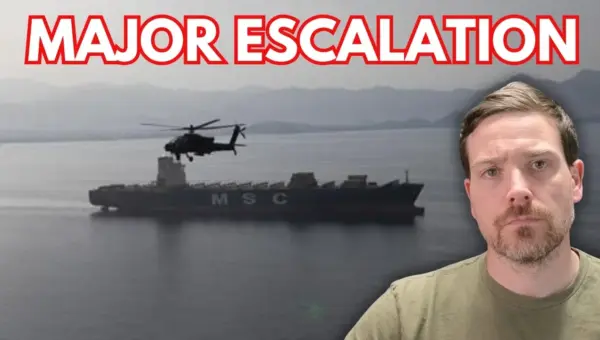
US Navy Seizes Iranian Ship, Igniting Tensions
The US Navy seized an Iranian cargo ship, the Tusca, in the Gulf of Oman, escalating tensions. This action occurred as peace talks seemed possible, but Iran's expected retaliation and the volatile situation in the Strait of Hormuz cast doubt on diplomatic progress.


Gen Z Poll Reveals Stark Divide on Israel-Palestine Conflict
A new NBC News poll reveals a significant generational split on the Israel-Palestine conflict, with three-quarters of Gen Z sympathizing more with Palestinians. Overall, adults are evenly divided, but partisan and age differences are pronounced. The poll also highlights ongoing public concerns about inflation and the handling of the war in Iran.

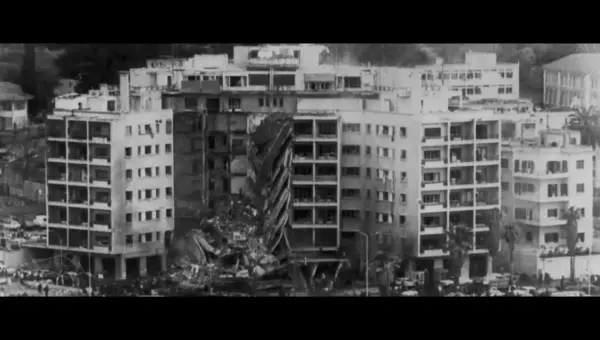
Beirut Bombing’s Deadly Legacy: A 43-Year Shadow
Forty-three years ago, a suicide truck bombing at the U.S. Embassy in Beirut killed 63 people, becoming the deadliest attack on an American diplomatic post. The Iran-backed Islamic Jihad, later known as Hezbollah, claimed responsibility. Six months later, the same group attacked U.S. Marines, killing 241. These events led to major security overhauls.