Trump’s Messiah Complex: Experts Question Health, Faith
Former President Donald Trump's posting of a "Jesus" image and his refusal to apologize to Pope Francis have sparked outrage and renewed questions about his mental state. Experts criticize his "messianic" behavior, warning it could lead to dangerous situations and alienate voters.

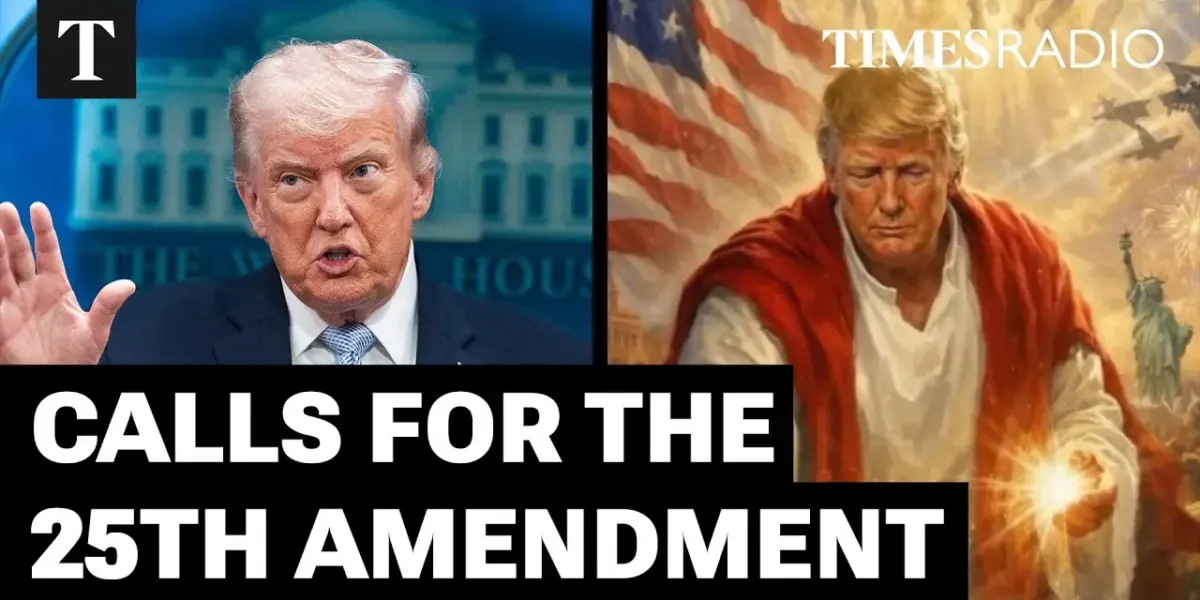
Trump’s ‘Jesus’ Image Sparks Outrage, Health Concerns
Former President Donald Trump’s recent social media activity, including posting an AI-generated image of himself as Jesus Christ with angels in the background, has ignited controversy and led to renewed questions about his health and judgment. The image, which depicted Trump in a Christ-like pose with a nurse nearby, was widely criticized as inappropriate, particularly given the ongoing conflict with Iran. This incident, coupled with Trump’s public spat with Pope Francis, has prompted experts to question his grasp on reality and his political future.
Experts Denounce ‘Messianic’ Imagery
Sarah Baxter, from the Mary Culvin Institute for International Reporting, strongly criticized the image, calling it “borderline inappropriate.” She stated that Trump is increasingly adopting a “messianic” persona, influenced by evangelical pastors who suggest he is divinely appointed. Baxter noted that this belief seems to have intensified following an assassination attempt on Trump, making him believe he is a special vessel meant to lead the world. She warned that this “over the top” behavior risks dragging the world into dangerous situations.
“Basically, Trump has been getting more and more messianic… The idea that he’s some celestial healer but not quite Jesus doesn’t wash either.”
Sarah Baxter
The image, shared widely on social media, has been described as resembling a scene from a medical drama, complete with angels in what appeared to be battle fatigues. Critics, including Baxter, have labeled such claims as “bonkers” and a deliberate attempt to mislead the public. The use of AI-generated imagery and the blurring of lines between political commentary and religious symbolism have raised significant concerns among observers.
Clash with Pope Francis Escalates
Adding to the controversy, Trump publicly refused to apologize to Pope Francis for past criticisms. Trump accused the Pope of being “weak on crime” and “entirely wrong” regarding foreign policy, particularly concerning Iran. He stated, “I don’t because Pope Leo said things that are wrong.” Trump even suggested he liked the Pope’s brother, Lewis, better, calling him a “great guy” and a “big MAGA person.” This public exchange has been met with disbelief, especially given the Pope’s significant global following.
The political implications of this dispute are significant. With approximately 70 million Catholics in the United States, many of whom voted for Trump in the last election, this conflict appears politically unwise. Italian Prime Minister Giorgia Meloni, previously seen as a Trump ally, called the comments “unacceptable.” Baxter pointed out that the Pope, an American himself, understands Trump’s background and represents a figure capable of challenging him directly on Christian values, a domain where Trump has shown little consistent engagement.
Calls for 25th Amendment and Health Scrutiny
The barrage of late-night social media posts, including the controversial image and the ongoing feud with the Pope, has led some to call for the invocation of the 25th Amendment. This amendment allows for the removal of a president deemed unfit to discharge the powers and duties of their office due to mental incapacity. However, Baxter expressed skepticism about the feasibility of this option, suggesting it would require significant political maneuvering, including the agreement of Vice President Mike Pence, which she deems unlikely.
Despite the challenges, Baxter believes that Trump’s health and mental fitness will inevitably face increased scrutiny, especially if the Republican party suffers significant losses in the upcoming midterm elections. She suggested that this scrutiny could serve as a “gentler offramp” for Trump if his actions are perceived as leading the country toward “perdition.” The consensus among some of his own supporters, Baxter noted, is that while they can elevate him to a “cult leader” status, he should not claim divinity himself.
Pattern of Behavior and Political Miscalculation
Experts view the recent incidents as consistent with Trump’s established pattern of behavior: picking fights and making provocative statements. However, the conflict with Pope Francis might be a miscalculation, potentially alienating key voter bases, including Catholics and even some evangelical Christians who found the imagery offensive. John, the interviewer, highlighted that objections to the “Jesus” picture came from both Catholic and right-wing radical evangelical Christians, crossing traditional divides.
Baxter suggested that Trump’s actions, while designed to capture attention, could ultimately alienate his own voters. She noted his previous loss of support in the Hispanic community over immigration policies and predicted further erosion of support among Catholics and others. The basic consensus among his MAGA supporters, she explained, is that while they can deify him, he should not claim to be divine himself, maintaining a crucial distinction even in their fervent support.
Looking Ahead: The Future of Trump’s Political Influence
As Donald Trump continues to dominate headlines with his unconventional behavior and rhetoric, the political landscape remains volatile. The long-term impact of his increasingly messianic public image and his clashes with religious figures like Pope Francis will likely shape his political influence and the Republican party’s future direction. Whether these actions will galvanize his base or alienate crucial voting blocs remains a central question as the nation approaches future election cycles.
Source: Trump’s Health Is Going To Be Called Into Question | Sarah Baxter (YouTube)

Related Articles
Trump’s Iran Standoff: Claims of Victory Mask Growing Weakness
Claims of U.S. victory in its standoff with Iran are being challenged by maritime data and Iran's defiant response. While the Trump administration boasts of maritime superiority, evidence suggests ships continue to move through the Strait of Hormuz, raising questions about the effectiveness of the blockade.
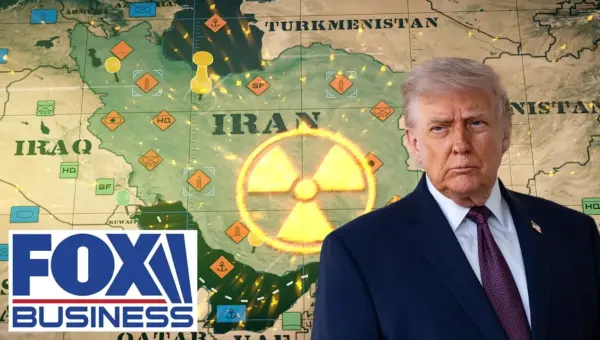
Trump: Nuclear Deal Crucial for Oil Prices
Former President Donald Trump linked the resolution of nuclear threats, particularly concerning Iran, to a stabilization and potential decrease in global oil prices. He highlighted strong domestic economic performance, including stock market highs, despite international tensions, and emphasized the benefits of his tax reform policies.
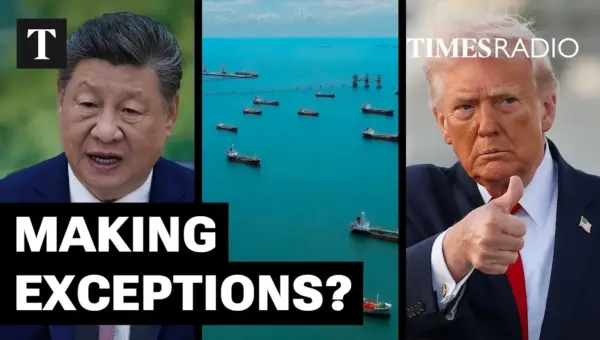
Trump May Allow Chinese Ships Through Strait of Hormuz
Former Trump official Elliot Abrams suggests President Trump may allow Chinese ships through the Strait of Hormuz. This comes as the U.S. naval blockade of Iran's ports faces questions about its effectiveness and evolving strategy. Potential U.S.-Iran negotiations are also on the horizon, focusing on Iran's nuclear program.