Trump’s Firm Stance Could Force Iran’s Hand
America's patience with Iran may be running out as repeated agreement breaches continue. Analyst Gan Valentino suggests that former President Trump's firm stance could force Iran's hand, potentially leading to military action if a deal isn't reached this week. The situation highlights long-standing geopolitical tensions and the complex future of Iran's governance and its role in the region.

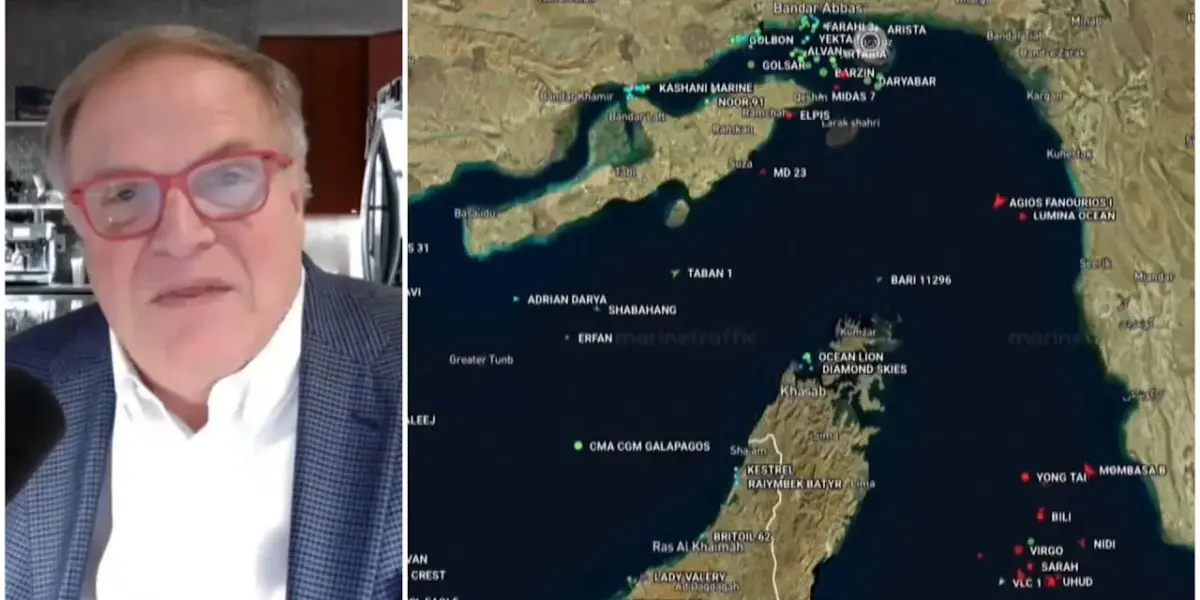
Trump’s Firm Stance Could Force Iran’s Hand
The United States is once again preparing for talks with Iran, a move that highlights America’s long-held patience in dealing with the Middle Eastern nation. This approach, however, may be reaching its limit as Iran continues to break agreements. Analyst Gan Valentino suggests that the U.S. has been remarkably calm despite these repeated breaches over many years.
Valentino believes that any economic impacts from Iran’s actions on the U.S. will be minimal. He points out that the oil supply in question, around 20 million barrels a day, does not directly go to the United States.
The U.S. is rich in its own energy sources and even has its strategic oil reserves capped. This contrasts with past policies where strategic reserves were used to support the economy, often through incentives or penalties like tariffs on non-allied nations.
A History of Broken Promises
The current situation is described as another instance where Iran has failed to uphold its end of the bargain. Valentino regrets that Iran has pushed too far, suggesting that former President Donald Trump might take a firmer stance to complete what he started. This comes after a report that a U.S. Navy destroyer reportedly damaged an Iranian cargo ship attempting to break a blockade in the Strait of Hormuz.
This event, while regrettable, is not surprising to Valentino. He sees it as validation of Donald Trump’s position, noting that Trump has been calm and measured despite accusations of bluster.
Trump has given Iran ample opportunity to comply, but they have not delivered. Special envoys Steve Witkoff and Jared Kushner are heading to the Middle East to finalize a deal, but the outlook is uncertain.
Regime’s Ideology and International Relations
Valentino suggests that Iran’s religious dictates, which include animosity towards America and Israel, prevent them from truly complying. He believes their ideology compels them to continue their actions, leaving the U.S. with little choice but to take decisive action. Iran’s leadership, unlike Western governments, operates on a much longer historical timescale, potentially thinking in terms of centuries rather than election cycles.
Iran’s recent actions, like declaring the Strait of Hormuz open for business one day and then closing it the next, show a lack of coordination within its government. This fragmentation, coupled with the destruction of some of their infrastructure, makes it difficult for them to maintain a consistent strategy. They seem to be trying to keep the U.S. off balance due to their own weakness, but this tactic is expected to fail.
Potential Consequences and Future Outlook
Valentino believes Trump is particularly angered by the recent breach of a ceasefire agreement, especially after the U.S. made accommodating gestures. The benefits of any oil deal would be for the global market, not just the U.S., and more international support would be expected in return.
If Iran does not sign a deal this week, Trump has threatened to order military strikes on Iranian bridges and power plants. While Trump initially considered these strikes, he reportedly backed off when Iran began placing women and children near nuclear facilities. However, the element of surprise may now be pending, as Iran is no longer using these human shields.
The goal of targeting infrastructure would be to force regime change, leading to a non-religious form of governance. This could create a new relationship, similar to the one the U.S. aims for in Venezuela, focused on trade and economic incentives. Such a shift could bring economic opportunities not only to Iran and the U.S. but also to surrounding Arab nations that Iran has alienated.
Why This Matters
The ongoing tensions and potential for escalated conflict highlight the complex geopolitical dynamics in the Middle East. America’s strategy of patience has been tested, and the potential for a more forceful approach raises questions about regional stability and the future of Iran’s governance. The outcome of these negotiations and potential military actions could have far-reaching consequences for global energy markets and international relations.
Historical Context
The relationship between the U.S. and Iran has been strained for decades, particularly since the 1979 Iranian Revolution. Disputes over nuclear programs, regional influence, and alleged support for militant groups have led to periods of intense diplomatic tension and economic sanctions. The current situation is part of a long-standing pattern of mistrust and confrontation, with each side accusing the other of provocative actions.
Implications and Future Outlook
If military action is taken, it could destabilize the region further and impact global oil prices. However, the stated goal of promoting regime change and fostering a new, trade-focused government suggests a long-term strategy for regional economic development. The success of such a strategy would depend on the stability of a new Iranian government and the willingness of international partners to cooperate.
The U.S. special envoys are expected to continue their efforts to reach an agreement. The coming week will be crucial in determining whether diplomacy prevails or if tensions escalate further.
Source: US-Iran Negotiations Reflects America's Patience: Geopolitical Analyst (YouTube)

Related Articles
GOP’s Strange Tactics Mirror Leader’s Decline
Commentary suggests the GOP's actions are mirroring Donald Trump's perceived decline, leading to unusual messaging and defense tactics. The analysis draws parallels to cult behavior and critiques the party's propaganda efforts. Discussions also touch upon societal trends like falling fertility rates.

Trump’s Iran Talk Sparks Alarm Over War and Economy
Former President Trump's recent interview statements about the Iran conflict and the economy have drawn significant attention. His claims of the war being over contrast with troop deployments, while his predictions on oil prices and the impact on fertilizer costs raise economic alarms.


Trump Faces Legal Battle Over Presidential Records
A legal fight is underway to preserve presidential records, with organizations suing Donald Trump to ensure compliance with the Presidential Records Act. Concerns about potential destruction have led to a motion for a preliminary injunction, seeking to prevent any loss of historical documents.