NYC’s City-Run Grocery Plan Sparks Fierce Debate
New York City is considering a plan to open taxpayer-funded grocery stores to lower food prices. Supporters see it as a way to help residents afford essentials, while critics worry about unfair competition for local supermarkets. The proposal faces an upcoming vote by the City Council.

NYC’s City-Run Grocery Plan Sparks Fierce Debate
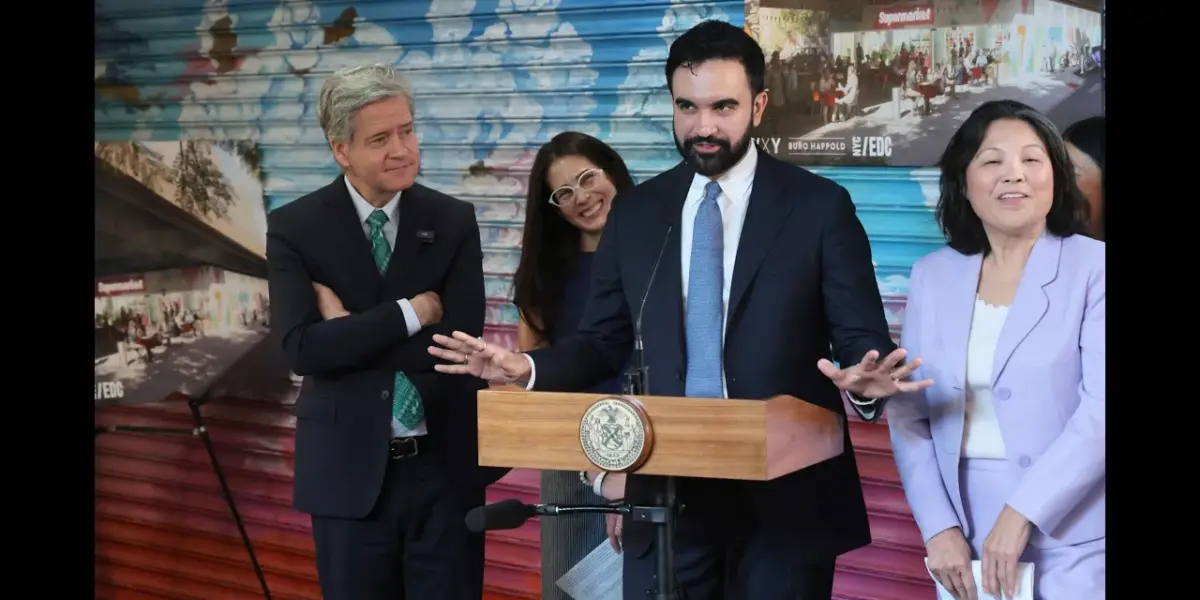
New York City is considering a bold plan: launching its own chain of grocery stores. Mayor Zohran Mamdani hopes these stores will make essential foods more affordable for everyone. However, this idea is not without its critics, who worry about how it might affect existing local supermarkets.
The vision is clear: stores where prices are fair, workers are treated well, and New Yorkers can afford to buy food. Mayor Mamdani has stated that staples like eggs and bread would be cheaper. He believes grocery shopping should not feel like an impossible task for many families.
This taxpayer-funded initiative aims to lower prices on certain key items. One supporter told NTD News, “My taxes are going back to helping people that are less fortunate to actually eat food. I’m totally down for it.” They also mentioned wanting to understand the program’s costs and benefits, suggesting a need for a good cost-to-benefit ratio.
The plan involves building one store in each of the city’s five boroughs by 2029. The estimated cost for this large undertaking is $70 million. The first planned location is in East Harlem, a large 90,000-square-foot store expected to cost around $30 million.
This East Harlem store is planned for a city-owned vacant lot near La Marqueta. La Marqueta itself has historical roots in providing affordable goods. It was established in 1936 by Mayor LaGuardia to help food vendors sell their products at lower prices to the community.
The city would cover the costs of building and owning these stores. A private company would then manage the daily operations. Importantly, these city-run stores would not have to pay rent or property taxes, a significant financial advantage.
Concerns Over Fair Competition
This financial edge is exactly what worries owners of independent grocery stores. Anthony Pena, president of the National Supermarket Association, voiced these concerns. He represents many local grocers who feel this plan creates unfair competition.
Pena explained the feelings of many local business owners. “The stores in the neighborhood, they feel like, ‘Wait a minute, you know, I’ve been here for 20 years. I never asked the government for anything.'” He pointed out that these businesses pay taxes and now fear that their own tax money will fund a competitor.
He also questioned the necessity of building new stores when existing ones are already serving the community. “You already have an infrastructure. You already have community supermarkets in the area.
You already have the network. You have the experience. You know, why would you you know, why would you gamble with that?” Pena asked, suggesting that supporting existing businesses might be a better approach.
Fernando Mateo of United Bodegas of America also raised concerns. He told ABC News that the plan could cause more problems than it solves. Mateo stated that New York is not a socialist city and suggested the idea might be more of a political statement than a practical solution.
Critics also worry about overcrowding at the few planned locations. With only five stores across the entire city, they argue that the limited number will not be enough to meet demand and could lead to more issues.
Community Resilience and Future Steps
Despite these worries, some independent grocers remain confident. Pena expressed faith in the strong connection between local stores and their neighborhoods. “I feel very confident in the independent market and the spirit and and how they know their neighborhoods,” he said.
He believes that the deep roots and understanding of local needs give independent stores an advantage. “We are a neighborhood. The city can be the city, but we we live and breathe our neighborhoods,” Pena added, highlighting the unique bond between local businesses and the people they serve.
The proposed city-run grocery store plan still needs approval from the New York City Council. The council’s decision will determine if these stores move forward and how they might change the city’s grocery shopping scene.
Why This Matters
This plan touches on big questions about how cities can help residents afford basic necessities. It pits the idea of government intervention against the principles of free market competition. The outcome could influence how other cities approach food access and support for small businesses.
The debate highlights a common challenge: how to make essential goods affordable without harming existing local economies. It forces a discussion about the role of government in providing services versus letting private businesses operate freely. The success or failure of this initiative could offer valuable lessons for urban planning and economic policy nationwide.
The historical context of La Marqueta shows a past effort to ensure affordable food access through community markets. This new plan can be seen as a modern attempt to address similar needs, but with different methods and potential consequences.
Looking Ahead
The future of the city-run grocery stores depends on the upcoming City Council vote. If approved, the project will move forward with construction, starting with the East Harlem location. The city will then face the challenge of managing operations and proving the plan’s effectiveness against its critics’ concerns.
The projected timeline includes building one store per borough by 2029, with the first store opening by the end of 2027. This gives New Yorkers several years to see if this ambitious plan can truly lower food costs and benefit the community without negatively impacting local businesses.
Source: NYC Public Grocery Plan Raises Questions (YouTube)

Related Articles
Texas Inventor Aims to Streamline Grocery Hauls
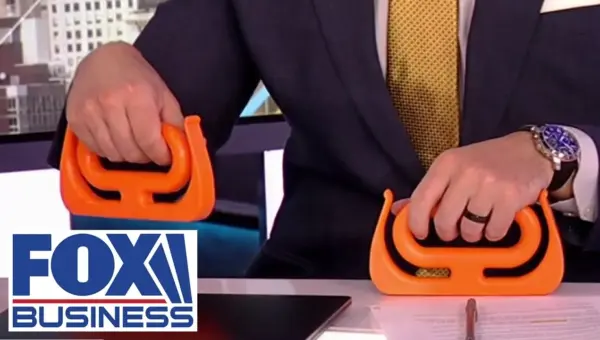
Texas entrepreneur Javier Martinez has developed the Mammoth Grip, a grocery bag carrier made from recycled plastic. The invention aims to simplify grocery transport by allowing users to carry multiple bags at once. Martinez's company is a finalist in the Fox Business "Made in America" contest, highlighting domestic manufacturing and sustainable practices.

American-Made Furniture Business Thrives on Pride
A Los Angeles furniture maker is gaining recognition for its commitment to American-made quality. The business, a finalist in a national contest, thrives on consumer pride in domestically produced goods. Their success highlights a growing market trend favoring craftsmanship and local production.

Tax Law Boosts Small Businesses with $7K Average Savings
A Trump-era tax law is providing significant financial relief to small businesses, with owners receiving an average of $7,000 in tax breaks. The legislation made a key deduction permanent and allows for 100% expensing of equipment, aiming to spur investment and job growth.