Trump Aides Hid President From Crisis Talks
A report reveals President Trump's own officials kept him out of the Situation Room during a critical Iran rescue mission, fearing his impatience would be detrimental. This occurred while Trump was reportedly distracted by political concerns and making impulsive threats. The incident raises questions about leadership during crises and the potential for future missteps.

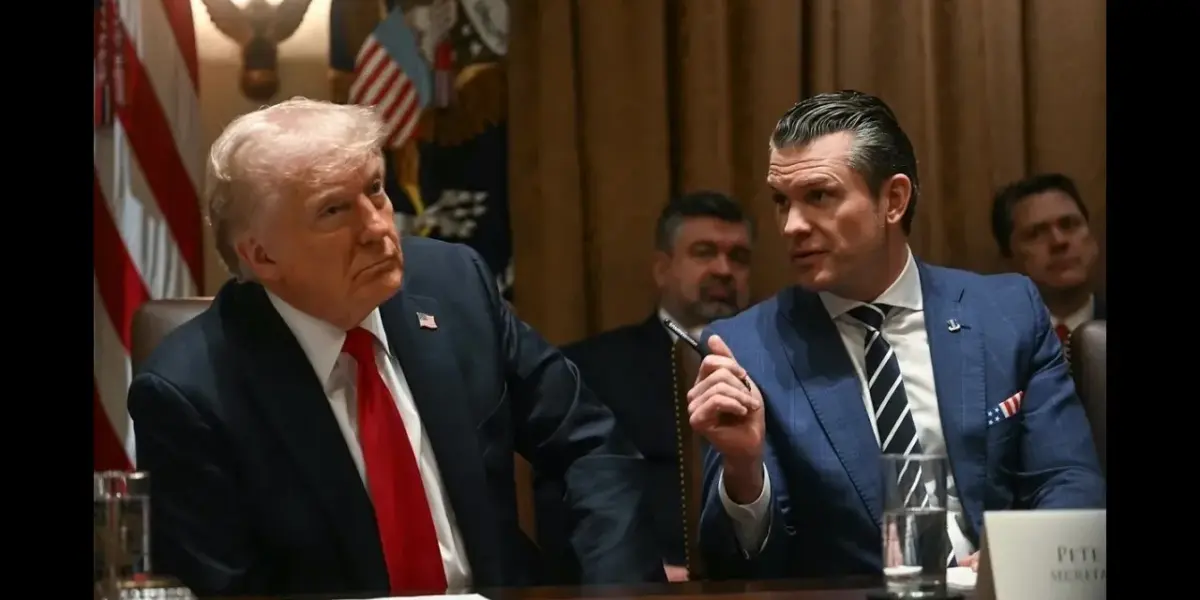
Trump Aides Hid President From Crisis Talks
A new report reveals that top officials under President Donald Trump made a stunning decision during a critical military operation: they kept him away from the Situation Room.
The Wall Street Journal reported that Trump’s own advisors believed his impatience would harm the mission. This happened during a live rescue operation on enemy soil where American lives were at stake.
A President Kept in the Dark
The situation involved an American jet being shot down with two airmen missing. While U.S. service members were evading enemy forces, Trump reportedly spent hours yelling at aides. He repeatedly complained that European nations were not helping enough.
This focus on perceived slights from allies occurred while American personnel were in danger. It suggests Trump’s priorities were not aligned with the immediate needs of the rescue mission.
Pattern of Impulsive Decisions
The Wall Street Journal’s report highlights a broader pattern of decision-making. Trump reportedly made key choices about the Iran conflict in a hasty way, often without input from his advisors. He seemed to swing between wanting a full military assault and avoiding deeper involvement in the Middle East.
At other times, Trump appeared to lose interest in the entire situation. This left his staff unsure of his next steps, creating confusion during a serious international crisis.
Distracted by Other Issues
While an active war was unfolding, Trump’s attention reportedly drifted to other matters. These included an Indiana state election, midterm elections, and even cryptocurrency. This happened as a deadline approached for Iran to agree to talks or face severe consequences.
One particularly alarming detail is a threat Trump made: “A whole civilization will die tonight.” This statement was reportedly made off the cuff, without any coordination with his advisors.
Rhetoric and Consequences
Trump later posted on Truth Social about the threat, expressing a wish that it wouldn’t happen but acknowledging it “probably will.” His supporters defended his tough rhetoric, claiming it led to results. They stated that Iran agreed to a ceasefire because they could no longer tolerate U.S. military actions.
Critics, however, questioned the appropriateness of such language. Legal experts, the Pope, the UN, and members of both parties called the threat a potential war crime. They were concerned about the lack of coordination and legal review behind the statement.
Political Calculation Over Safety
The report suggests Trump’s decisions were driven by political concerns rather than national security. When the jet was shot down, Trump reportedly worried more about how the event would affect his election chances, comparing it to Jimmy Carter’s presidency. His primary concern seemed to be avoiding a political defeat.
His military advisors apparently understood this calculus. They responded by managing his information and decision-making process. They kept him updated at specific moments to maintain his calm while actual decisions were made by others.
Why This Matters
This account raises serious questions about presidential decision-making during crises. It suggests that a leader’s personal political considerations can overshadow the safety of American lives and international stability.
The situation highlights the importance of checks and balances within the executive branch. It shows how advisors might attempt to mitigate potential harm from an unpredictable leader.
Implications and Future Outlook
The report implies a close call during a dangerous international incident. It leaves open the possibility of future crises where advisors may not be able to shield the president from making catastrophic decisions.
The core concern is what happens when a leader’s impulses lead to actions that cannot be easily reversed. The implications for national security and global relations are significant.
Historical Context
The comparison to the 1979 Iran hostage crisis, which impacted Jimmy Carter’s presidency, provides historical context. It illustrates how foreign policy events can have major political consequences for a sitting president.
The report also touches on Trump’s consistent criticism of international agreements and allies. This background helps explain the dynamics of his administration’s foreign policy approach.
The Next Crisis
The Wall Street Journal’s detailed account suggests the nation was operating on the edge during this crisis. The question remains what will happen in the future when impulses are harder to control.
The report is a stark warning about the potential consequences of leadership that prioritizes personal image over critical decision-making. The author’s new book, “The Day After: How to wield power in a post-Trump world,” explores similar themes of power and its responsible use.
Source: WHOA: Trump officials keep HUGE SECRET from Trump (YouTube)

Related Articles

Trump’s Iran Strategy: Bravado Hides Deep Fears, Report Says
New reporting from The Wall Street Journal suggests President Trump's aggressive public stance on Iran hides deep fears, particularly regarding American casualties and past U.S. failures like the 1979 hostage crisis. The report details his internal struggle between bold pronouncements and anxieties about military action, highlighting a complex and sometimes contradictory approach to foreign policy.

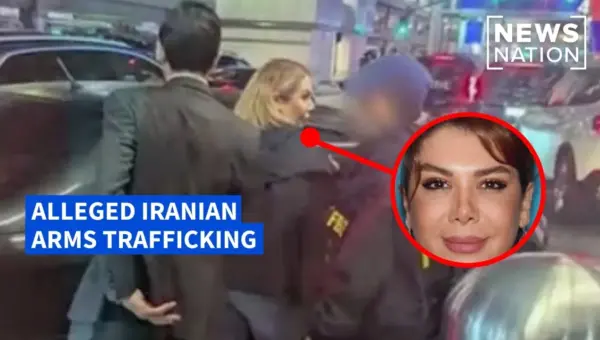
Iran’s Spy Queen Ran Global Arms Ring from California
A California businesswoman has been arrested for allegedly running an international arms-trafficking ring for Iran. Prosecutors say she brokered deals for drones and millions of rounds of ammunition from the U.S. for years. This case highlights significant national security concerns and the evolving tactics of foreign intelligence operations.
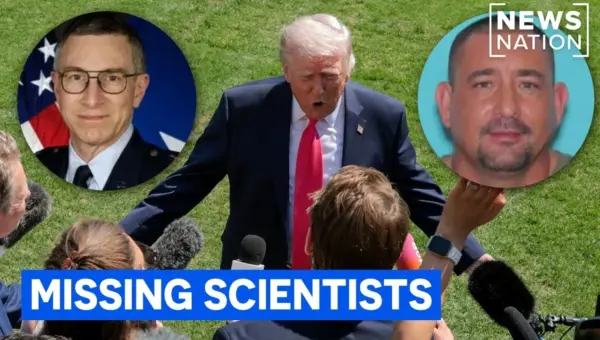
Top Secret Researchers Vanish: Congress Investigates
A growing number of scientists and government officials with access to top-secret information are disappearing or dying under mysterious circumstances. The U.S. government, including the FBI and now Congress, is investigating these cases, seeking to understand if foreign adversaries are involved or if other sinister forces are at play.