Clarence Thomas Blames Intellectuals for America’s Problems
Supreme Court Justice Clarence Thomas has voiced strong criticism of intellectuals and universities, blaming them for America's problems. He argued that learning and higher education have caused founding values to be lost. This perspective draws parallels to historical political strategies that have attacked intellectualism.

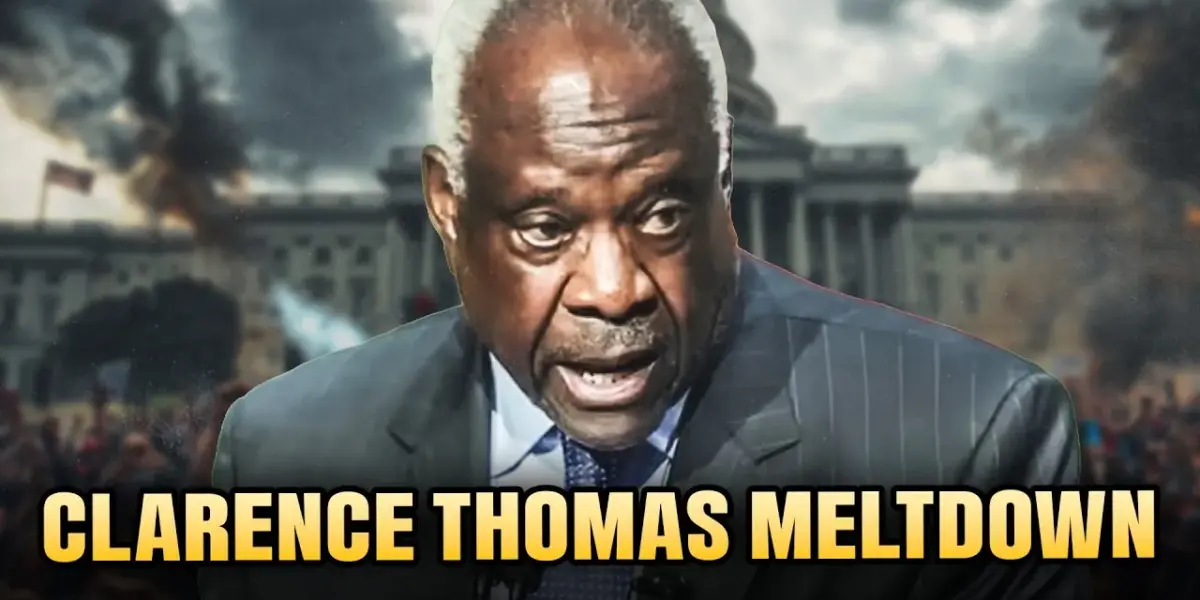
Thomas Targets ‘Intellectuals’ at University Event
Supreme Court Justice Clarence Thomas recently spoke at the University of Texas, a place filled with students and professors dedicated to learning and critical thinking. During his talk, Thomas stated that he believes America’s problems stem from what he called “intellectuals.” He suggested that these educated individuals and the nation’s universities have caused founding values to be forgotten.
This stance, delivered at an institution of higher learning, has raised eyebrows. It suggests that the very places designed for education and intellectual growth are, in Thomas’s view, part of the nation’s troubles. This perspective seems to contradict the core mission of colleges and universities.
Challenging the Source of Rights
Thomas further argued that progressivism aims to replace core American values. He claimed that progressivism teaches that rights and dignity come from the government, not from a higher power. He believes this idea leads to a weakness incompatible with a Constitution built on the idea that rights have a higher origin.
However, the speaker challenges this view directly. He points out that many rights, like the right to vote, freedom of speech, and the right to bear arms, are not divinely given but are established and protected by the government and its laws. These rights are granted through the framework of the Constitution, not bestowed by divine intervention.
Historical Context of Anti-Intellectualism in Politics
The idea of attacking intellectuals in politics is not new. The transcript points to the 2000 election between George W. Bush and Al Gore as a key moment when this tactic became more prominent in Republican politics.
Al Gore was portrayed as an “Ivy League stuffy monotone intellectual,” while George W. Bush was presented as a more relatable, down-to-earth figure.
This strategy aimed to contrast a perceived elitism associated with intellectualism with the image of an “everyman” candidate. The message was that voters might prefer someone they could have a beer with over someone who seemed to think they knew better due to their education. This approach suggested that being smart or well-read could be seen as a negative trait by some voters.
The Value of Intelligence in Leadership
While the idea of a relatable candidate is understandable, the speaker argues that intelligence and education are crucial for effective leadership. Having friends you enjoy spending time with does not automatically qualify them to run a country. A president needs more than just likability; they need knowledge, critical thinking skills, and the ability to understand complex issues.
The transcript suggests that qualities like intelligence, education, and book learning, which Thomas seems to view negatively, are actually beneficial for those in positions of power. Many respected political figures, regardless of their perceived social ease, possess these qualities and have demonstrated competence in leadership roles.
Why This Matters
Justice Thomas’s remarks are significant because they come from a member of the highest court in the United States. His comments reflect a broader trend of questioning expertise and intellectualism within certain political circles. This can erode public trust in institutions like universities and the judiciary, which rely on informed discourse and expert knowledge.
When a Supreme Court Justice suggests that learning and intellectualism are the root of national problems, it can discourage young people from pursuing higher education or valuing critical thought. It also risks devaluing the contributions of academics and experts who play a vital role in understanding and solving complex societal challenges.
Implications and Future Outlook
This perspective could lead to further polarization, where education itself becomes a political dividing line. It might encourage policies that undermine scientific research, academic freedom, and evidence-based decision-making. The future outlook could see a greater distrust of experts and a rise in decisions based on ideology rather than data.
Moving forward, it is important to consider the role of education and intellectualism in a healthy democracy. Fostering an environment where learning is valued, and experts are respected, is essential for addressing the complex issues facing society. The upcoming years will likely show whether this trend of questioning expertise continues or if a greater appreciation for knowledge and reasoned debate will prevail.
The University of Texas hosted this event, highlighting the ongoing dialogue about the role of higher education and intellectualism in public life. The conversation continues as society grapples with these ideas.
Source: Clarence Thomas Has Complete Meltdown Over Smart People (YouTube)

Related Articles

Democracy Warrior: We Must Rebuild from the Ground Up
Democracy faces a critical threat as institutions falter, argues Cherylyn Eiffel. She believes Donald Trump acted as an 'accelerant' to deep-seated issues like racism and the obsession with wealth. Eiffel calls for a fundamental rebuilding of democratic structures, from corporate culture to the Supreme Court and media, to create a more resilient nation.

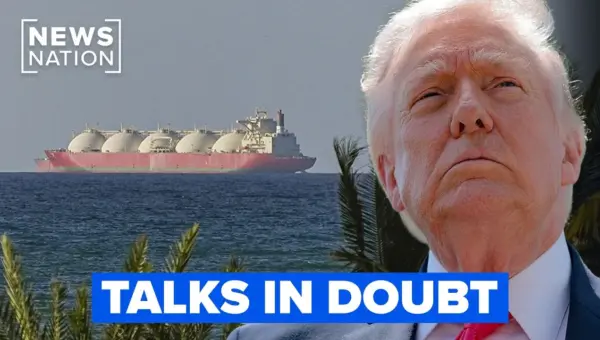
US Seizes Ship, Puts Iran Talks and Ceasefire on Knife’s Edge
The U.S. seized an Iranian cargo ship, threatening to derail planned peace talks and a crucial ceasefire. Iran has vowed retaliation, while the U.S. warns of military action if diplomacy fails. This incident raises global concerns about Middle East stability and trade.


Iran Tensions Flare as US Seizes Ship; Polls Show Trump Approval Drop
Tensions between the U.S. and Iran escalated this weekend as American forces seized an Iranian-flagged cargo ship. The incident adds new uncertainty to upcoming peace talks and comes as President Trump's approval rating drops to a new low. Meanwhile, a tragic mass shooting in Louisiana left eight children dead, and unseasonably cold weather brought snow and frost to parts of the U.S.