Historian: Orbán Linked Putin and Trump, Weakening Democracy
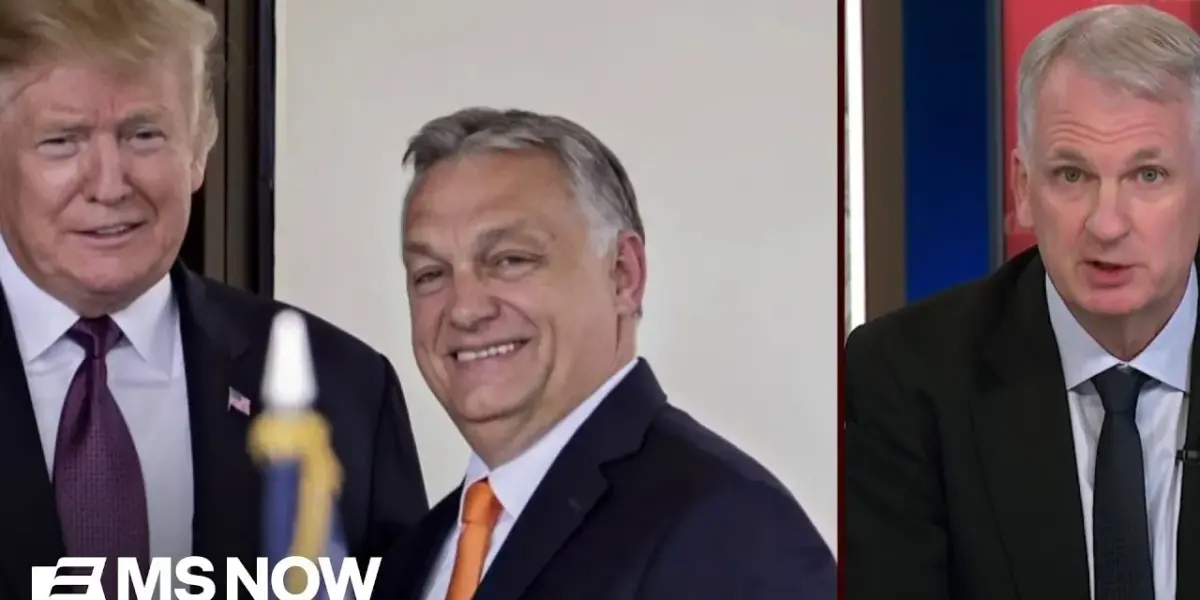
Historian Timothy Snyder warns that Viktor Orbán has played a key role in connecting Vladimir Putin and Donald Trump, strengthening international right-wing networks. Snyder criticizes Trump's rhetoric and argues that the U.S. is losing its moral standing on the world stage. He points to the recent Hungarian election as a potential model for combating corruption and defending democracy, but stresses the need for continuous citizen engagement.

Historian: Orbán Linked Putin and Trump, Weakening Democracy
Historian Timothy Snyder is sounding the alarm about the growing dangers of division and the erosion of democratic values, particularly highlighting the role of Hungarian Prime Minister Viktor Orbán in connecting Russian President Vladimir Putin and former U.S. President Donald Trump. Snyder argues that this connection has helped international networks of right-wing leaders gain influence, posing a threat to democratic societies worldwide.
US Trade Policy Shifts Raise Global Concerns
Snyder begins by noting that the world is becoming more dangerous and divided. He points to fundamental changes in U.S. trade policy, with tariffs increasing to levels not seen since the Great Depression. These shifts, he explains, have turned former strengths based on close ties to America into potential weaknesses for other nations, including Canada.
Canadian Prime Minister Mark Carney has publicly expressed concerns about these changes, warning that relying solely on the hope of America returning to past policies is not a viable strategy. Carney’s remarks, previously made at the World Economic Forum, drew criticism from the Trump administration, highlighting the growing tension around U.S. economic policies.
Snyder Criticizes Trump’s ‘Wartime Rhetoric’
The historian is also critical of what he calls President Trump’s “apocalyptic wartime rhetoric.” Snyder wrote in a piece for Substack that while the U.S. has committed atrocities in the past, it is crucial for the nation to self-correct now. He emphasizes that current actions, not historical events, define who a country is.
“Yes, the United States has undertaken atrocities before. That makes it all the more important, all the more urgent that we catch ourselves now.
Neither the evil nor the good in our history determines who we are. It is what we do now.”
Timothy Snyder
Snyder believes that such rhetoric reveals a disturbing mindset, showing a willingness to imagine the destruction of entire civilizations. This language, he warns, can normalize harmful ideas and influence how future actions of U.S. soldiers are interpreted. If the president suggests genocide, then actions like destroying infrastructure could be seen in that light.
The ‘Art of the Bluff’ and International Standing
Snyder also addresses instances where threats were made and then seemingly retracted, calling it a problem that weakens the U.S. position. He likens this to a bluff being called, making the country appear less powerful. While some may argue this is part of a negotiation tactic, like the “art of the deal,” Snyder disputes its effectiveness.
He argues that such tactics did not bring Iran to the negotiating table and that the U.S. is not in a position to dictate terms. Targeting civilian infrastructure, he believes, will only entrench leadership and is unlikely to change the situation. This approach, Snyder warns, signals to other countries that it is acceptable to fight wars in such a manner, normalizing atrocities.
Orbán’s Role in Connecting Global Right-Wing Leaders
Snyder highlights the broader international context, particularly the Russian invasion of Ukraine and the atrocities committed by Russian forces. He sees the U.S. rhetoric as normalizing this kind of warfare, where one country attempts to wipe out another nation.
The historian points to a specific international connection: Viktor Orbán. Snyder describes Orbán as the European figure who legitimized international networks of ideas, personal contacts, and money that link figures like Putin and Trump. He suggests that the American right, especially the MAGA movement, is more internationally connected than many realize.
Snyder argues that leaders like Orbán, along with others in Poland, represent a move from democracy toward autocracy. He identifies a common formula used by these leaders: being an oligarch, surrounding oneself with oligarchs, diverting public funds for personal gain, and creating enemies to rally support.
The Hungarian Election: A Glimmer of Hope?
The recent election in Hungary, where Orbán was defeated, is seen by Snyder as a significant event. He notes that the opposition in Hungary made a crucial connection between corruption and the economy, showing voters that the two are linked. This, he believes, is a key strategy for winning against abusive power.
Snyder points out the high voter turnout in Hungary, around 80%, as a sign that people are motivated to protect their democracy. He suggests this could be a model for other countries, including the U.S., especially with upcoming midterm elections.
Democracy Requires Active Participation
However, Snyder cautions against relying solely on elections. He stresses that democracy needs active participation and protection between election days. The Hungarian opposition, he notes, engaged in two years of campaigning, sharing courageous stories, and making scandals real through media work.
This sustained effort, Snyder explains, brought people in and made them feel their vote was part of a larger historical moment for change. He believes similar work is needed in the U.S., emphasizing that citizens cannot simply count on political parties or election outcomes alone. There is substantial work to be done in the interim to strengthen democratic institutions and engagement.
Source: Timothy Snyder: Orbán stood between Putin and Trump (YouTube)

Related Articles

Did We Win? The Confusing Reality of US Mideast Policy
President Trump claims victory over Iran, but military deployments and regional changes suggest otherwise. Analysts highlight a gap between official statements and the complex reality on the ground. The situation raises serious questions about the costs and true outcomes of U.S. involvement in the Middle East.

Democracy Warrior: We Must Rebuild from the Ground Up
Democracy faces a critical threat as institutions falter, argues Cherylyn Eiffel. She believes Donald Trump acted as an 'accelerant' to deep-seated issues like racism and the obsession with wealth. Eiffel calls for a fundamental rebuilding of democratic structures, from corporate culture to the Supreme Court and media, to create a more resilient nation.

US Commandos Seize Iranian Ship Amidst Escalating Tensions
U.S. commandos have seized an Iranian cargo ship after disabling its engines, with video footage showing the dramatic boarding operation. This incident follows Iran's alleged drone attacks on U.S. Navy ships and comes amid stalled nuclear negotiations and increased military activity in the Middle East.