Germany Debates Headscarf Ban in Schools Amid Fierce Opposition
German lawmakers are fiercely debating a proposed ban on headscarves for young girls in schools. Proponents cite gender equality concerns, while critics argue the ban is discriminatory and targets the Muslim community. The debate highlights deep divisions over religious freedom and integration.

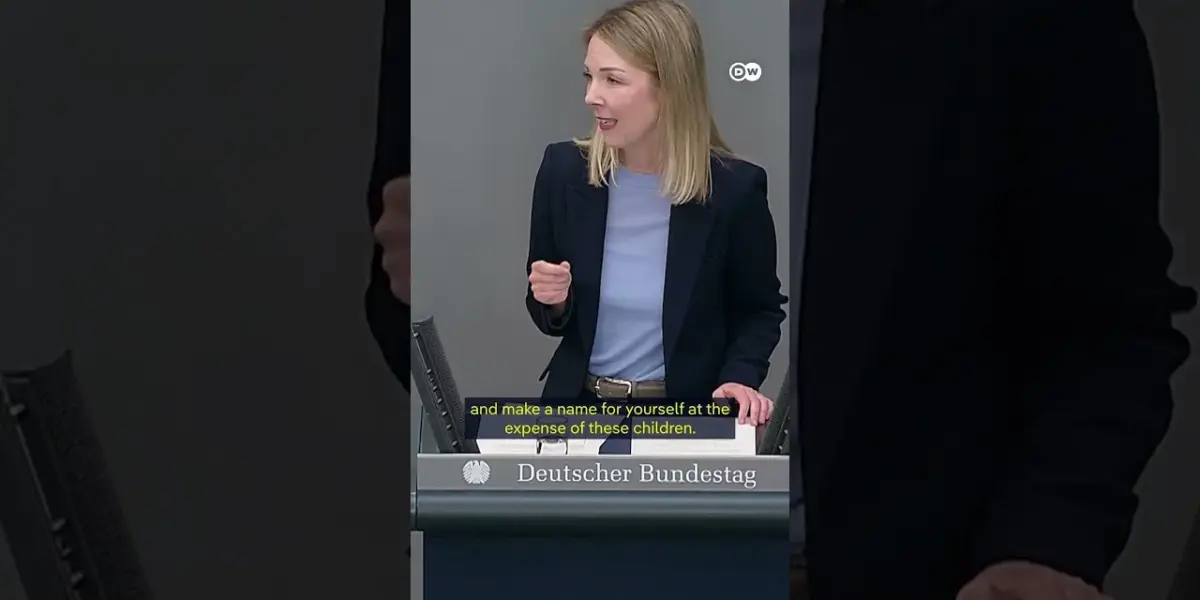
German Lawmakers Clash Over School Headscarf Ban Proposal
Berlin, Germany – A proposal to ban headscarves for young Muslim girls in schools has ignited a heated debate among German lawmakers, pitting concerns over gender equality and social exclusion against accusations of religious discrimination and Islamophobia. The debate, brought to the forefront by the far-right Alternative for Germany (AfD) party, centers on whether the state should permit or prohibit the wearing of hijabs by minors in educational settings.
Proponents of the ban argue that the headscarf, particularly for young children, symbolizes patriarchal control and undermines gender equality. They suggest that allowing it sends a damaging message that girls and women have fewer rights than boys. This perspective also links the practice to lower rates of sports participation among Muslim girls, suggesting it contributes to social exclusion.
Critics Decry Ban as Discriminatory and Divisive
Opponents of the ban vehemently criticize the proposal, labeling it an attempt to stigmatize Germany’s estimated 5 million-strong Muslim community. They accuse proponents of using the issue to promote anti-Islam sentiments rather than genuinely advocating for the rights of Muslim girls. Critics argue that the focus on a minority practice distracts from more pressing national issues.
“They present themselves as saviors of little Muslim girls and pretend to care about them. It’s simply ridiculous.
They are only interested in pushing their Islamophobic tendencies and shouldn’t profile themselves on the backs of children. It’s truly pathetic.”
This strong sentiment highlights the deep divisions, with many seeing the ban as a political tactic. They point out that while Germany faces significant challenges like blocked shipping routes and rising energy prices, the AfD chooses to focus on a practice affecting a very small segment of the population.
Historical Context and Broader Implications
The debate over religious symbols in public spaces and schools is not new in Germany. Previous rulings and discussions have addressed the wearing of headscarves by teachers and judges, often balancing religious freedom with the state’s neutrality. However, extending such a ban to young children in schools introduces a new dimension, raising questions about parental rights and the state’s role in defining acceptable cultural and religious expression for minors.
The German constitution guarantees freedom of religion. However, this right can be limited when it conflicts with other constitutional principles, such as the protection of children or the neutrality of the state in schools. The current proposal attempts to navigate this complex legal and ethical terrain, but its critics argue it oversteps these boundaries.
Differing Views on Protection and Autonomy
Supporters of the ban often frame it as an act of protection for young girls who may be pressured into wearing the hijab by their families or community. They believe the state has a duty to intervene when it perceives potential harm or restriction of a child’s future choices. This viewpoint emphasizes the state’s role as a guardian against perceived patriarchal traditions.
Conversely, opponents argue that such a ban infantilizes Muslim girls and disrespects the choices made by their families. They contend that the decision to wear a headscarf, for many, is a personal expression of faith and identity. Imposing a ban, they believe, denies these girls the right to practice their religion and can lead to further alienation and social exclusion, rather than preventing it.
Political Motivations and Public Reaction
The AfD’s push for the ban is seen by many as a strategic move to energize its base and gain media attention. By focusing on a culturally charged issue, the party aims to position itself as a defender of traditional German values against perceived foreign influences. This tactic often sparks strong reactions from other political parties and civil society groups who condemn it as divisive and discriminatory.
The debate also reflects broader societal anxieties about integration and the place of Islam in Germany. While many Germans support integration efforts, proposals like the headscarf ban can be seen as counterproductive, hindering rather than helping the process by creating an ‘us vs. them’ mentality. Public discourse remains divided, with ongoing discussions in media and online forums reflecting the complexity of the issue.
Looking Ahead: A Contentious Path Forward
The proposal is unlikely to pass easily through the Bundestag, facing significant opposition from major parties. However, the debate itself has brought the issue into sharp focus, likely influencing future discussions on religious freedom, secularism, and the integration of minority communities in Germany. The coming months will reveal how lawmakers address these deeply held, often conflicting, viewpoints and what, if any, legislative changes emerge from this contentious discussion.
Source: German lawmakers clash over headscarf ban proposal | DW News (YouTube)

Related Articles


Germany Weighs Role in Securing Vital Strait of Hormuz
Germany's Chancellor Olaf Scholz is urging international cooperation to secure the Strait of Hormuz, a vital global shipping lane. France and the UK are proposing a defensive mission to safeguard trade, with Germany considering contributions in mine clearance and intelligence. Discussions are ongoing to establish a legal basis and broad international support for the initiative.


Germany Pledges Deeper Ukraine Ties Amid Shifting Global Support
Germany and Ukraine have announced a new strategic partnership, signaling a deeper commitment beyond traditional aid. This move comes as Ukraine showcases its own defense industry and as global attention is divided by ongoing conflicts. Experts discuss the need for Europe to increase its own defense production and support Ukraine more robustly, especially amid concerns about shifting US priorities.


Germans Judge America: Stereotypes and Surprises Emerge
A YouTube creator asked Germans their opinions about America, uncovering a mix of familiar stereotypes and surprising insights. While some perceptions focused on common tropes like loudness and appearance, others highlighted America's diversity and the distinction between its government and people. The video reveals varied German views on American culture, food, and travel.