New Iran Leader Faces US Boots on Ground Threat
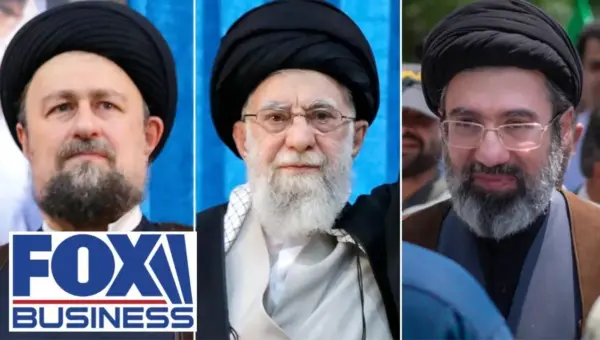
Iran's new Supreme Leader inherits a nation at a geopolitical crossroads. With its nuclear program advancing and the U.S. contemplating direct intervention, the potential for escalation looms large.

121 articles
Iran's new Supreme Leader inherits a nation at a geopolitical crossroads. With its nuclear program advancing and the U.S. contemplating direct intervention, the potential for escalation looms large.
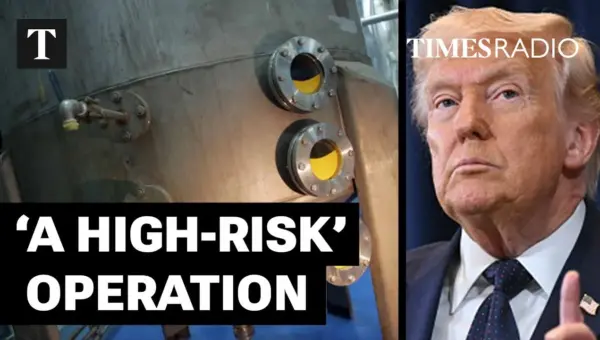
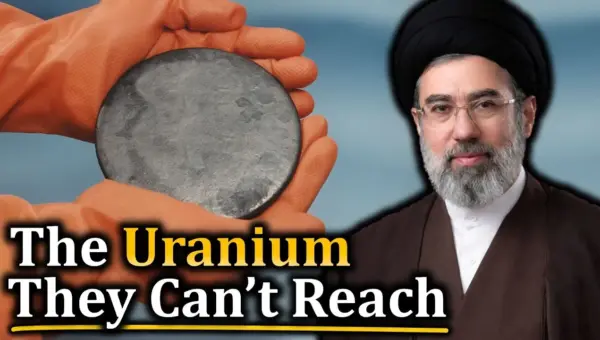
Reports indicate the Trump administration is considering a perilous special forces operation to seize Iran's highly enriched uranium stockpile. Experts warn of immense logistical challenges and safety risks, while also highlighting the danger of the material falling into the wrong hands.
Despite military strikes on its nuclear facilities, a critical question remains: how much enriched uranium does Iran possess and where is it stored? Experts highlight the difficulty Iran would face in rebuilding its program to weapons-grade levels, a process likely to be detected and potentially preempted.
Senator Gary Peters of Michigan is questioning the U.S. strategy in the Strait of Hormuz, citing a lack of visible action and concerns over preparedness for potential threats. He also addressed the critical issues of rising anti-Semitism and Islamophobia.
Airstrikes by the US and Israel have significantly impacted Iran's nuclear facilities, but the full extent of damage and the location of enriched uranium remain unclear. Experts suggest the path to a nuclear bomb is now severely hindered, though not impossible.
Former Deputy National Security Advisor KT McFarland warns the US may face a 'mowing the lawn' scenario with Iran, requiring periodic interventions to curb its nuclear and missile programs. Despite achieving initial objectives, the persistent threat necessitates a continuous, cyclical approach to containment.
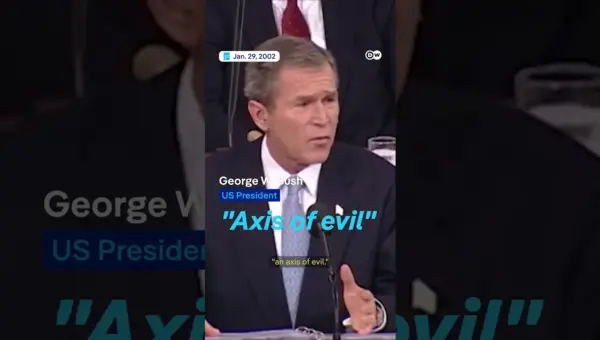
A 70-year history of US-Iran relations reveals a cycle of intervention, shifting alliances, and escalating conflict, originating from the 1953 US-backed coup. Decades of sanctions, proxy conflicts, and the unraveling of the nuclear deal have culminated in direct confrontation, with US aims reportedly centering on regime change.
Reports suggest President Trump is considering a dangerous special ops mission in Iran to seize enriched uranium, raising concerns about feasibility and consequences. The potential operation occurs amid escalating regional tensions and conflicting U.S. policy signals.
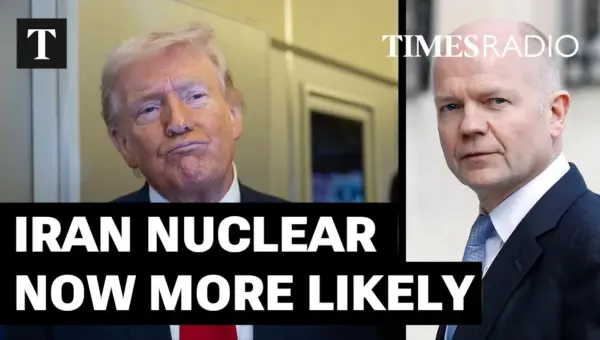
Former Foreign Secretary William Hague warns that recent military actions against Iran may have increased the likelihood of the nation developing a nuclear weapon. The strategy's effectiveness is questioned amid concerns over economic fallout and the geopolitical implications of President Trump's uncertain approach.
New reporting suggests the Trump administration's justifications for action against Iran, particularly regarding its nuclear program, may be based on misrepresented information. Experts reportedly told MSNBC that a key Iranian reactor cited by the administration lacks the capacity to produce nuclear weapons, and the administration has yet to provide evidence to Congress.