PM Faces Reckoning Over Envoy’s Security Vetting Scandal
Prime Minister Keir Starmer faces intense scrutiny over the appointment of Peter Mandelson as ambassador, who was given the role despite failing security vetting. The scandal has drawn comparisons to past governments and raised questions about accountability and adherence to process. Starmer is set to address Parliament, while Sir Oliver Robbins will be questioned by a select committee.

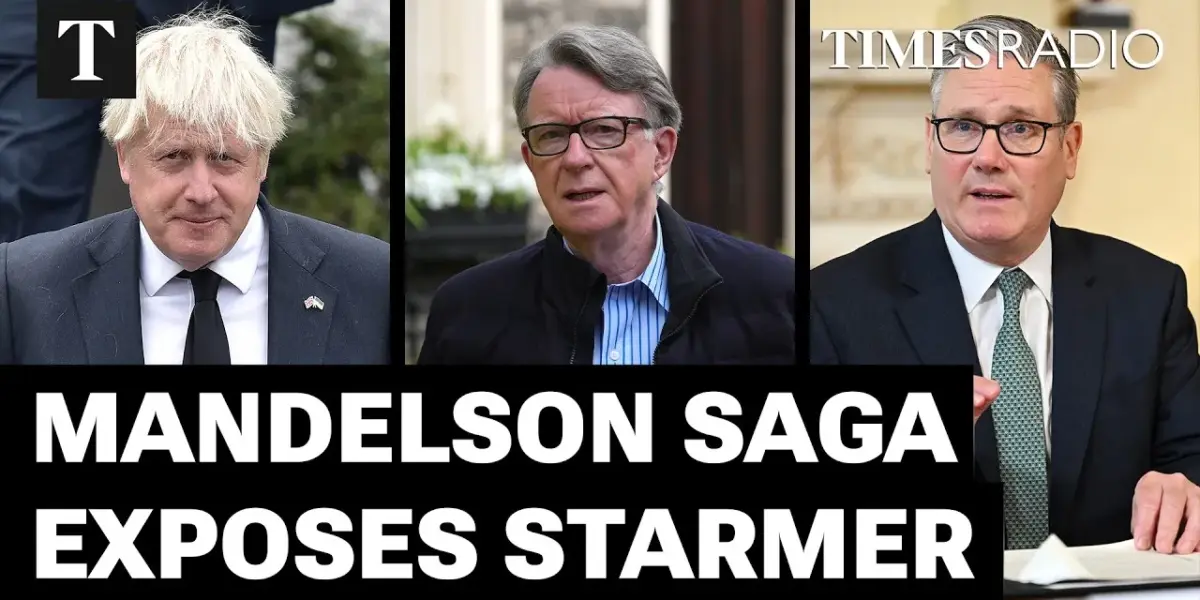
Starmer Under Fire Amid Envoy Security Failures
Prime Minister Keir Starmer is facing intense scrutiny over the handling of security vetting for a key government appointee. The controversy centers on Peter Mandelson, who was appointed as ambassador despite failing to pass a crucial security clearance. This situation has drawn comparisons to scandals that plagued Boris Johnson’s previous government, raising questions about process and accountability.
The timeline of events is critical to understanding the depth of the issue. Mandelson was appointed on December 20, 2024, but did not pass his security vetting until late January 2025. This means he held the position for over a month without the necessary clearance, a detail that has become a major point of contention.
Key Questions Surround Mandelson’s Appointment
Opposition leader Keir Starmer questioned the Prime Minister about Mandelson’s position in Parliament on September 10, 2025, as details of his friendship with Jeffrey Epstein began to emerge. At the time, the Prime Minister stated that full due process had been followed for the appointment. He expressed confidence in the ambassador’s role in the U.S.-U.K. relationship.
However, the day after Mandelson was dismissed, the Foreign Office revealed that communications showed the extent of his relationship with Epstein was different from what was known at the time of his appointment. Further Epstein files released in late January 2025 reignited questions about the initial decision-making process.
Starmer Addresses Allegations, Faces Criticism
During a press conference on February 5, 2025, Keir Starmer addressed the appointment. He explained that a due diligence exercise raised questions, and the answers provided were not truthful. He also stated that an independent security vetting process granted Mandelson clearance for the role, which he had to pass before taking up the post.
Starmer acknowledged that both the due diligence and security vetting needed re-examination. He stated that if he had known then what he knew now, he would never have appointed Mandelson. This admission comes as the opposition plans to accuse Starmer of lying, aiming to cause maximum political damage.
“Is this judgment day for the prime minister?” a commentator questioned, highlighting the gravity of the situation.
Public Perception and Political Fallout
Political commentators suggest that the public’s perception of this scandal will be crucial. The comparison to Boris Johnson’s government, which was often criticized for scandals and a perceived lack of attention to process, is hard to ignore. Many voters are reportedly tired of governments being derailed by avoidable controversies.
The Prime Minister’s promise to govern differently and adhere strictly to rules is now being tested. Critics point to early missteps, including a controversial speech and questions about gifts received by the Prime Minister, as indicators that the new administration might be repeating past mistakes.
Civil Servants and Accountability
A significant point of discussion is the role of civil servants, particularly permanent secretary Sir Oliver Robbins. While Robbins was not explicitly required to inform the Prime Minister about Mandelson’s vetting failures, some argue that common sense would dictate he should have. The government’s current defense strategy appears to be placing blame on civil servants, a tactic reminiscent of previous administrations.
This approach is seen by some as a way to deflect responsibility, similar to how past governments blamed “bad advisers.” However, the argument that the Prime Minister should have verified information before making statements in Parliament is also being strongly made, highlighting a potential disconnect between the leader’s office and the information provided by civil servants.
Looking Ahead: Parliament and Select Committees
Keir Starmer is scheduled to address the House of Commons to correct the record, while Sir Oliver Robbins will face questioning from the Foreign Affairs Select Committee. These events are expected to be closely watched, with potential for conflicting accounts that could increase pressure on the Prime Minister.
The handling of this security vetting issue is seen as a critical test for Starmer’s leadership and his administration’s commitment to transparency and robust governance. The coming days will reveal how effectively the government can navigate this crisis and restore public trust.
Source: Chaos Of Mandelson Scandal Echoes Boris Johnson’s Government (YouTube)

Related Articles


PM Faces Fury Over Mandelson Security Scandal
Prime Minister Keir Starmer is facing intense scrutiny after it was revealed Peter Mandelson received the highest level of security clearance ('Strap 3') despite failing initial vetting. Starmer's office plans to blame Sir Olly Robbins, the outgoing head of the Foreign Office, for not disclosing the vetting failure. The controversy raises questions about whether Parliament was misled and could lead to legal battles.

PM Faces Liar or Fool Choice Over Mandelson Scandal
Prime Minister Keir Starmer faces Parliament amidst a growing scandal over the appointment of ambassador Peter Mandelson. Accusations of misleading the House have surfaced after it was revealed Mandelson failed security vetting, a fact Starmer claims he was not told. The situation forces Starmer into a difficult position, potentially having to appear foolish rather than dishonest.

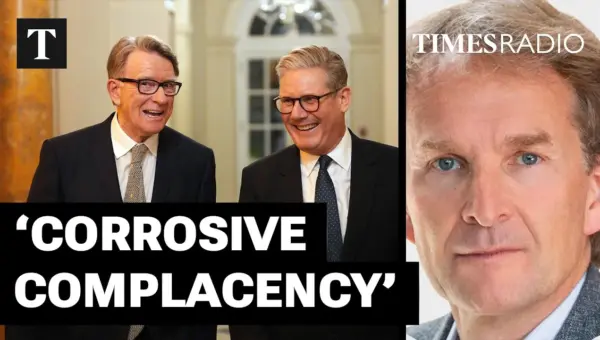
Starmer Faces “Corrosive Complacency” Amid Mandelson Affair
Journalist Jason Cowley criticizes Prime Minister Keir Starmer's leadership as marked by "corrosive complacency," particularly in light of the Peter Mandelson appointment controversy. Questions are being raised about vetting processes and information transparency within the government. The situation draws parallels to past criticisms leveled against Boris Johnson, while internal Labour Party dynamics and discussions on English identity add further layers to the political commentary.