Navy Chief’s Shock Exit Fuels Iran Tensions
The sudden resignation of U.S. Navy Secretary John C. Phelin amid ongoing conflict and a diplomatic stalemate with Iran has raised serious concerns. This departure occurs as Iran refuses to negotiate until a naval blockade is lifted, adding another layer of complexity to the tense international situation.

Navy Chief’s Shock Exit Fuels Iran Tensions
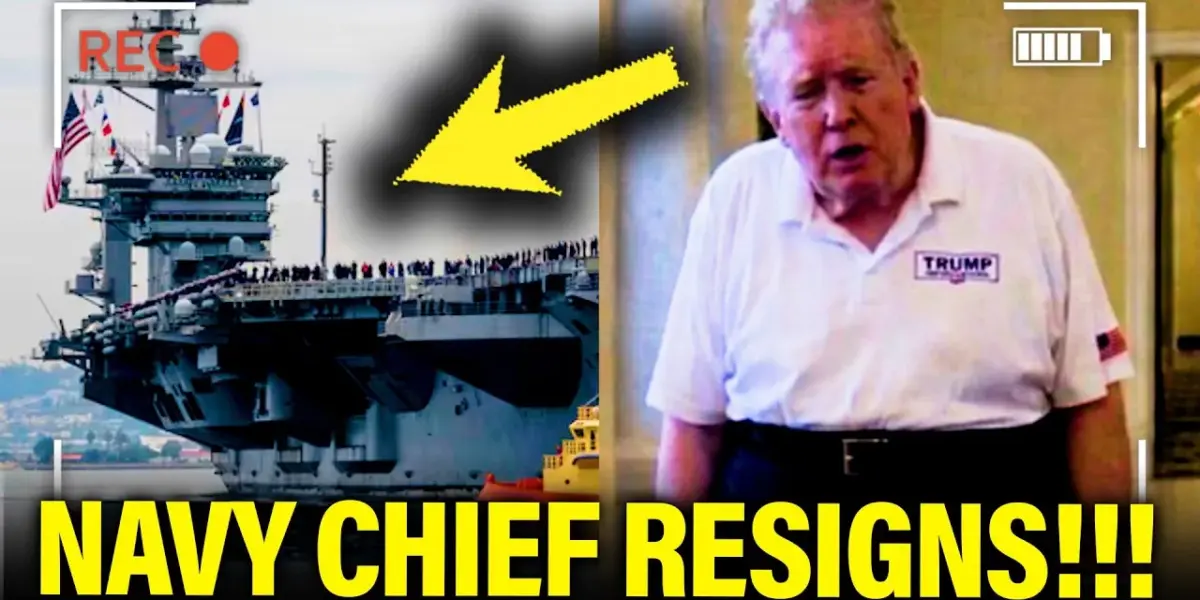
The top civilian leader of the U.S. Navy, Secretary John C. Phelin, has suddenly resigned.
This unexpected departure comes at a critical time, with the United States still engaged in conflict and maintaining a naval blockade in the Persian Gulf. The resignation has sparked concerns about stability and leadership within the Navy.
Resignation Amidst Broader Diplomatic Stalemate
Secretary Phelin’s exit coincides with Iran’s refusal to engage in further negotiations with the Trump administration. Iran has stated it will not return to the table unless the Persian Gulf blockade is lifted and a previously agreed-upon 10-point negotiating framework is accepted. They also demand an end to threats from the U.S. military.
The fact that the top official in the United States Navy is resigning right now is really catastrophic. This is unprecedented.
Navy Stretched Thin and Facing Morale Issues
The U.S. Navy has been under significant strain, with resources stretched thin and weapons systems depleted due to ongoing conflicts. Reports suggest low morale among sailors, with issues ranging from inadequate food service to malfunctioning equipment on major vessels like the USS Gerald R.
Ford. These problems have surfaced even before the escalation of recent conflicts.
The ‘Trump Class’ Battleship Controversy
Previously, then-Navy Secretary Phelin held a press conference with President Trump discussing plans for a new class of battleships, dubbed the ‘Trump Class.’ President Trump reportedly desired battleships that resembled those from World War I and World War II, a departure from modern naval aesthetics and stealth capabilities. These proposed ships were intended to carry nuclear-armed cruise missiles and serve as flagships.
Background of the Navy Secretary Appointment
John C. Phelin, who has since resigned, had no prior military experience.
His appointment as Secretary of the Navy by President Trump was based on his background as a major Republican donor and his success in private investment firms. President Trump had praised Phelin as a strong leader who would prioritize the U.S. Navy’s interests and advance his ‘America First’ agenda.
Iran’s Stance on Negotiations and Blockade
Iran’s lead negotiator and parliamentary leader, M.B. Ghalibaf, has made it clear that a ceasefire is only viable if the maritime blockade and economic pressure are halted.
They also demand an end to perceived Israeli aggression. Iran’s president has reiterated their openness to dialogue but criticized the U.S. for employing bad faith tactics like sieges and threats, pointing to contradictions between U.S. claims and actions.
Disagreements Over Negotiating Teams
Iran has expressed skepticism about the U.S. negotiating team’s expertise on nuclear issues, questioning the involvement of individuals like Jared Kushner and Steve Bannon. This perceived lack of knowledge has contributed to Iran’s reluctance to attend further meetings. The U.S. has countered that Iran’s public statements differ from private concessions, urging reliance on their word.
Incidents in the Strait of Hormuz
Recent events in the Strait of Hormuz have added to the tension. Iran interdicted two ships, identified as Greek and Mediterranean-owned, for allegedly attempting to breach the strait.
The U.S. White House spokesperson, Karine Jean-Pierre, downplayed the incident, stating it was not a violation of a ceasefire because the ships were not American or Israeli. She characterized Iran’s actions as piracy, contrasting it with the effectiveness of the U.S. naval blockade designed to cripple Iran’s economy.
Differing Narratives on Ceasefire and Negotiations
The Trump administration has presented its actions as highly effective, claiming to have crippled Iran’s economy and maintained significant leverage. They have extended deadlines for negotiations, citing a need for a unified response from Iran. However, Iranian state media has openly mocked these extensions, stating they did not request them and viewing the U.S. approach as unserious and indicative of internal division within Iran.
Allegations of Misinformation Regarding Iranian Women
A contentious point has been the U.S. claim that President Trump saved eight Iranian women from execution. Reports suggest these women were arrested and are undergoing a legal process, rather than facing imminent execution. Critics argue this narrative is an exaggeration, used to portray President Trump as a humanitarian.
Spirit Airlines Bailout Discussion
In a separate development, there have been reports of a potential U.S. government bailout for Spirit Airlines. The White House has indicated that the aviation industry is important and they are monitoring the situation. The administration has suggested that a previous administration’s blocking of a merger may have contributed to the airline’s financial difficulties.
Future Outlook and Ongoing Tensions
The resignation of the Navy Secretary, coupled with the diplomatic standoff with Iran, highlights a period of significant uncertainty. The effectiveness of U.S. sanctions and the future of negotiations remain key points of contention. International observers are watching closely to see how these complex dynamics will unfold in the coming weeks.
Source: Trump CRASHES OUT at WH as NAVY CHIEF RESIGNS!!!! (YouTube)

Related Articles

Trump Admin May Force Afghan Allies to Congo or Taliban Rule
The Trump administration is reportedly considering forcing Afghan refugees who aided U.S. forces to choose between returning to Taliban-controlled Afghanistan or relocating to the crisis-stricken Democratic Republic of Congo. Critics, including Congressman Jason Crow, are calling the potential plan a 'moral travesty' that could harm national security.


Karoline Leavitt Denies Trump Team Role: A Shift in White House Messaging?
Karoline Leavitt, White House press secretary, recently stated she's "not part of the president's political team anymore." This claim, made while she holds an official government position, has caused confusion and raised questions about her role and the administration's communication strategy. Public records indicate her position is inherently political, making her statement a point of significant interest.

Trump Eyes $500M Spirit Airlines Bailout Amid Bankruptcy Fears
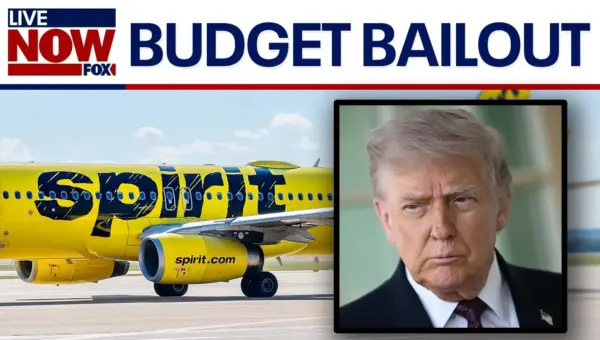
The Trump administration is reportedly considering a $500 million bailout for Spirit Airlines, which is facing bankruptcy and the risk of ceasing operations. The potential deal highlights Spirit's role as a low-fare provider and the impact of rising fuel costs on the airline industry. If approved, the government could take a significant ownership stake in the struggling carrier.