RFK Jr. Faces Scrutiny Over Vaccine Stance Amid Measles Outbreak
HHS Secretary Robert F. Kennedy Jr. faced intense questioning on Capitol Hill regarding vaccine policy amid a significant measles outbreak. He defended his current stance promoting the measles vaccine, despite past skepticism. The hearings also surfaced controversy over the CDC's decision to halt a study showing COVID-19 vaccine effectiveness.

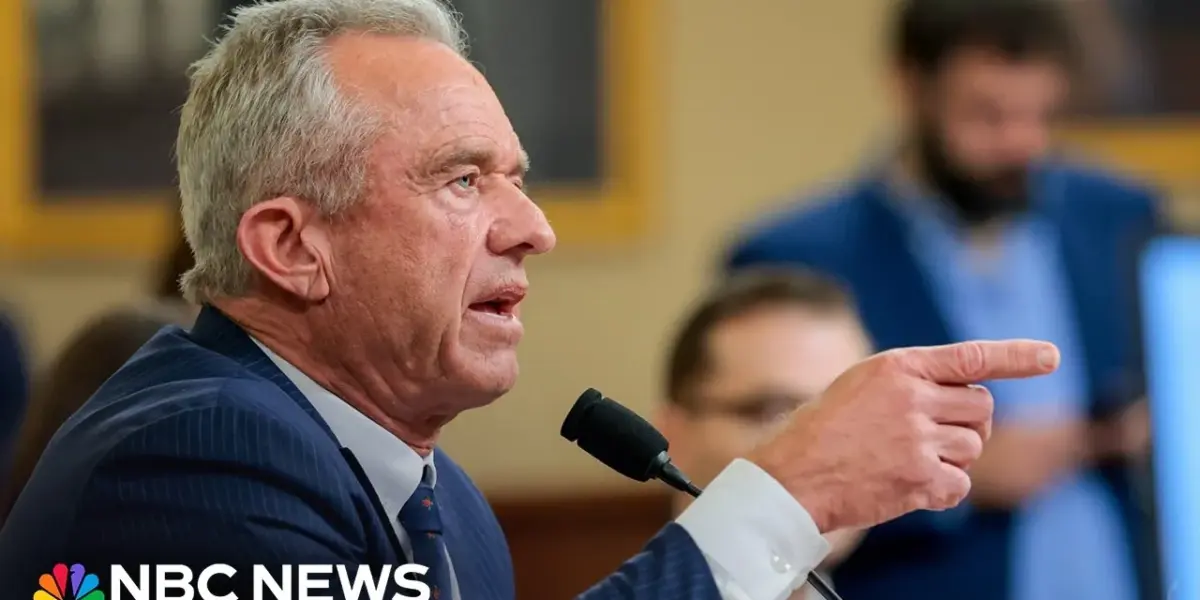
HHS Secretary Grilled on Vaccines Amid Measles Surge
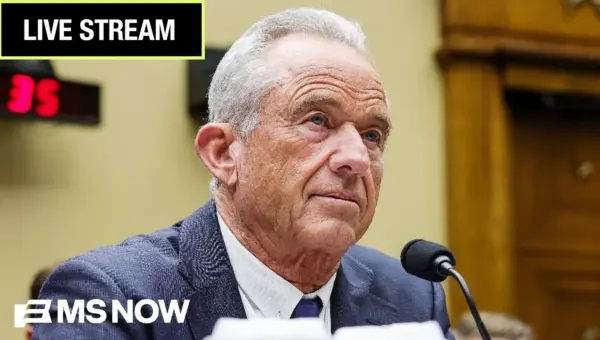
Health and Human Services Secretary Robert F. Kennedy Jr. faced tough questions on Capitol Hill this week regarding vaccine policy and his past statements.
The hearings came as the United States experiences its largest measles outbreak since the disease was declared eliminated in 2000. More than 1,700 cases have been reported this year alone, leading to tragic deaths, including two children in Texas.
Shifting Stances on Measles Vaccine
During two Senate hearings, Secretary Kennedy was pressed about his role in the current measles outbreak. He stated he had no direct involvement in the outbreak itself.
However, his past skepticism about vaccine safety, including claims that vaccines cause deaths, drew significant attention. A year ago, Kennedy publicly raised doubts about the safety of the measles vaccine.
When questioned if he now supported the same vaccine he once questioned, Kennedy affirmed his current position. “That’s my position.
We promote the measles vaccine,” he told senators. This statement aligned with the stance of the Centers for Disease Control and Prevention (CDC) director, who emphasizes the vaccine’s importance for children’s health.
Bipartisan Concerns Over Falling Immunization Rates
Concerns about vaccine effectiveness and public confidence appeared to be a bipartisan issue. Senator Bill Cassidy, a medical doctor, focused on the potential for diseases to enter the U.S. with international travelers, especially with major events like the World Cup approaching. He highlighted that U.S. immunization rates have fallen below the crucial 95% threshold needed for herd immunity.
Secretary Kennedy assured the committee that his department is actively addressing these concerns. He mentioned efforts to increase vaccine accessibility and public awareness. The HHS is focused on this issue and has implemented various outreach programs to boost vaccination rates across the country.
Controversy Over Delayed COVID-19 Vaccine Study
Adding to the scrutiny, an HHS spokesperson confirmed that the acting head of the CDC halted the publication of a study on the COVID-19 vaccine. This study reportedly showed that the vaccine significantly reduced the risk of emergency room visits and hospitalizations. The CDC director cited issues with the study’s design as the reason for delaying its release.
The study’s findings, if published, would have reinforced the benefits of COVID-19 vaccination. The decision to pause its release has raised questions about transparency within the agency. Further details on the specific design flaws cited by the director have not yet been fully disclosed.
Broader Implications for Public Health
The events surrounding Secretary Kennedy’s testimony and the CDC study delay highlight ongoing challenges in public health communication and vaccine confidence. Declining immunization rates, even for well-established vaccines like the measles shot, create vulnerabilities for widespread outbreaks. These outbreaks not only impact unvaccinated individuals but also those who cannot be vaccinated for medical reasons.
The public health system relies on high vaccination coverage to protect communities. When rates drop, diseases that were once rare can resurface, placing a burden on healthcare systems and risking lives. Rebuilding trust and ensuring access to vaccines are critical steps in maintaining public health security.
What’s Next for Vaccine Policy
Moving forward, the HHS and CDC face pressure to clearly communicate the safety and efficacy of vaccines. The department is expected to outline specific strategies to reverse the trend of declining vaccination rates. Public health officials will be watching closely to see how these initiatives are implemented and their impact on disease prevention efforts, particularly as global travel increases the risk of infectious disease introduction.
Source: HHS Secretary RFK Jr. grilled on Capitol Hill (YouTube)

Related Articles
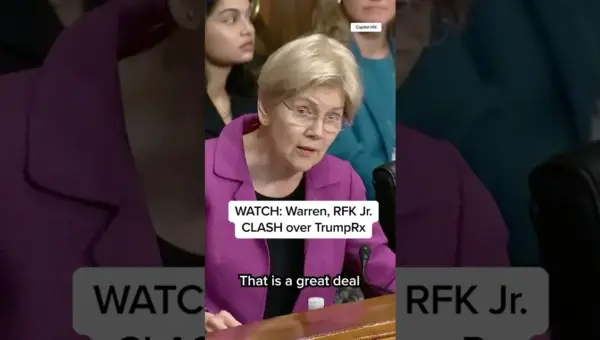
Warren and Kennedy Clash Over Trump’s Drug Pricing Plan
Senator Elizabeth Warren and Health and Human Services Secretary Robert F. Kennedy Jr. clashed during a Senate hearing over the effectiveness of Donald Trump's drug pricing website, TrumpRx. Warren accused the initiative of worsening the drug cost problem, while Kennedy defended its aim to increase transparency. The exchange highlights ongoing debates about healthcare costs and finding solutions for affordable medications.
RFK Jr. Faces Senate Scrutiny on HHS Policies
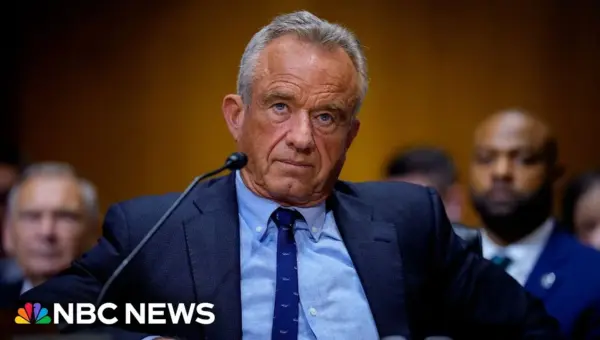
Health and Human Services Secretary Robert F. Kennedy Jr. testified before the Senate HELP Committee this week for a crucial budget hearing. This appearance follows multiple testimonies last week, highlighting ongoing congressional oversight of HHS policies. The hearings focus on the department's budget, priorities, and its approach to national health challenges.
Health Secretary Defends Budget Amidst Senate Scrutiny
U.S. Health Secretary Robert F. Kennedy Jr. faced tough questions from senators regarding the administration's budget, prescription drug costs, vaccine confidence, and abortion drug safety. Key disagreements emerged over the role of vaccines in public health and the government's approach to regulating healthcare and food products. The hearing highlighted the administration's agenda to prioritize patients and reform healthcare, while lawmakers debated the effectiveness and implications of proposed policies.