Oil Prices Spike After Attacks on Energy Sites
Oil prices surged this week following a wave of U.S. airstrikes in Iran and attacks on energy sites in Qatar. Vice President Vance called the price increases a 'temporary blip,' while intelligence briefings revealed disagreements over the immediacy of the threat from Iran. Military actions targeted missile facilities along the Strait of Hormuz.

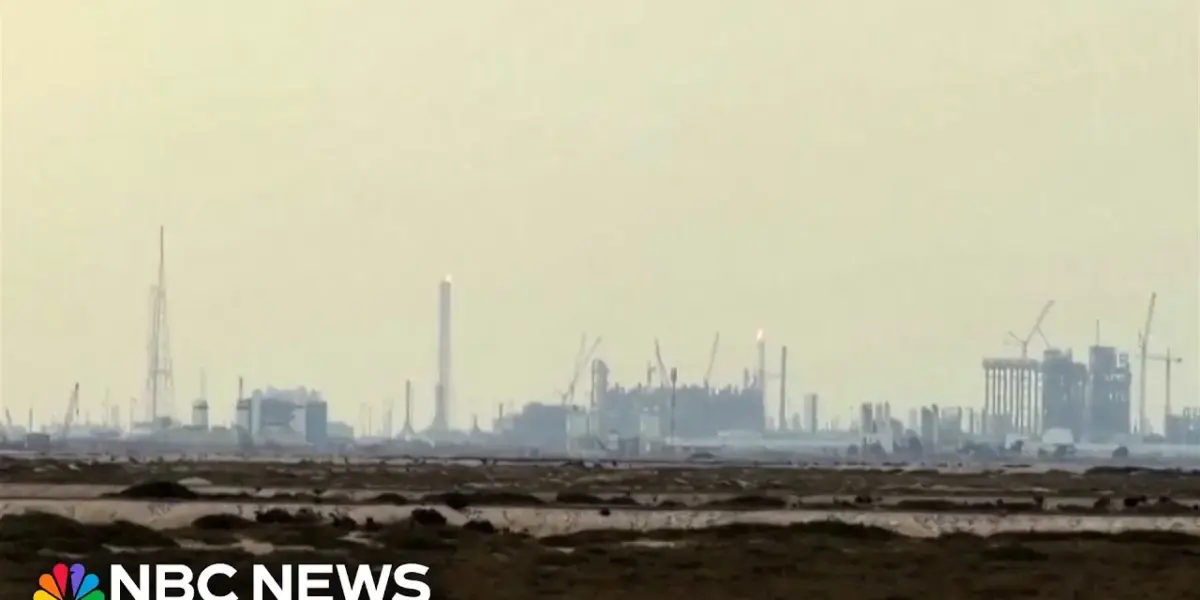
Oil Prices Surge After Attacks on Energy Sites
Oil prices shot up dramatically this week following a series of attacks on energy infrastructure in the Middle East. The Pentagon reported conducting extensive airstrikes in Iran, targeting nearly 8,000 sites.
These actions led to the sinking of over 120 Iranian vessels. The situation has created a tense atmosphere, with global markets reacting swiftly to the disruptions.
President Trump addressed the situation, calling Iranian retaliation against Israel minor compared to what Iran has faced. He stated that Iran is losing significantly. However, the conflict’s impact on energy markets is undeniable, with a strike on an Iranian gas field and an attack on oil facilities in Qatar directly contributing to the price increase.
Vice President Addresses Market Fears
Vice President Vance attempted to calm market concerns, describing the rising oil prices as a temporary issue. He assured the public that the situation would be managed. “We’re going to take care of business,” Vance stated, expressing confidence that energy prices would return to normal levels once U.S. Forces returned home.
This statement aimed to reassure consumers and businesses worried about the economic effects of higher fuel costs. The administration emphasized its commitment to stabilizing the energy market.
Intelligence Briefings and Disagreements
On Capitol Hill, Director of National Intelligence Tulsi Gabbard and CIA Director John Radcliffe testified about the threat posed by Iran. They presented intelligence suggesting Iran’s capabilities, including the potential to launch missiles to the continental U.S. If left unchecked.
The briefings also highlighted a significant disagreement regarding the immediacy of the threat. Former counterterrorism official Joe Kent, who resigned in protest of the war with Iran, argued that there was no imminent threat to the U.S. He specifically disputed claims that Iran was on the verge of obtaining a nuclear weapon.
Intelligence Community Divided
CIA Director Radcliffe strongly disagreed with Kent’s assessment. He stated that intelligence clearly indicated the contrary, emphasizing that Iran has been a consistent threat to the United States for a long time. Radcliffe asserted that Iran posed an immediate danger at this particular moment.
During questioning, Democrats pressed Gabbard on the intelligence community’s assessment of an imminent nuclear threat from Iran. Gabbard stated that only the President can determine such a threat. This response drew criticism from some senators who felt she was evading the question and potentially contradicting the White House’s public statements.
Military Actions in the Strait of Hormuz
U.S. Officials revealed that the military deployed four 5,000-pound bunker buster bombs. These powerful munitions struck facilities storing Iran’s anti-ship cruise missiles along the critical Strait of Hormuz. The goal was to degrade Iran’s ability to threaten maritime traffic in the region.
While these strikes targeted key missile sites, they did not eliminate all of Iran’s missile capabilities in the area. The operation aimed to reassert control and ensure the free flow of oil through this vital waterway, which is crucial for global energy supplies.
Broader Implications and Future Outlook
The recent events highlight the volatile nature of the Middle East and its direct impact on global energy markets. Attacks on oil facilities can quickly disrupt supply chains, leading to price spikes that affect economies worldwide. The ongoing tensions highlight the delicate balance of power in the region and the potential for conflict to spill over into economic consequences.
As the situation develops, attention will remain focused on the Strait of Hormuz and the broader implications for international oil prices. The effectiveness of the U.S. Military actions in deterring further aggression and stabilizing the market will be closely watched in the coming weeks.
Source: Oil prices surge after attacks on energy sites (YouTube)

Related Articles
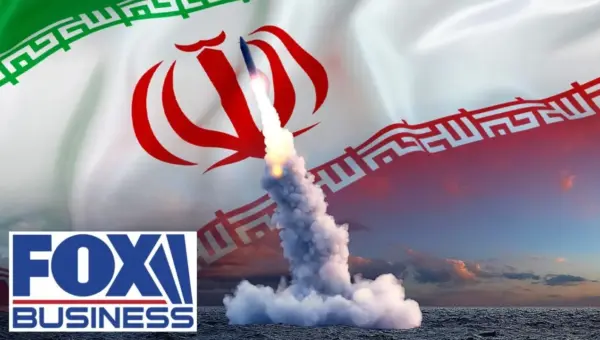
Iran’s Military Hit Hard, Analysts Debate Threat Level
Devastating strikes have crippled Iran's missile production and stockpiles, but a debate continues over the country's immediate threat level. Israel is intensifying targeted operations against Iranian leaders, while economic warfare targeting oil exports, like at Kharg Island, is being considered.

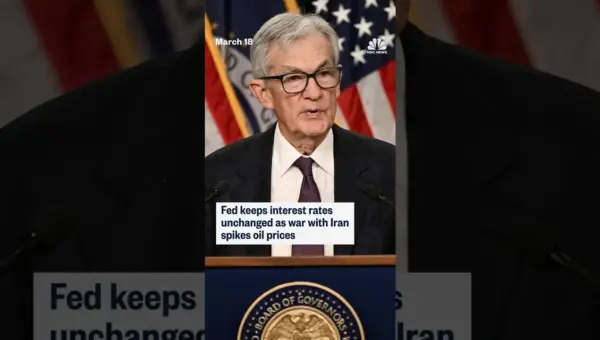
Fed Holds Rates Steady Amidst Oil Price Surge and Tariff Uncertainty
The Federal Reserve has held interest rates steady for a second consecutive meeting, citing economic uncertainty. Soaring oil prices due to the conflict with Iran and the recent Supreme Court ruling on tariffs are key factors influencing the decision. The Fed is carefully balancing inflation concerns with the need to support economic growth.


North Korea Eyes Iran Attack: A Nuclear Deterrent Boost
An attack on Iran may be reinforcing North Korea's belief that nuclear weapons are essential for its survival. The perceived failure of allies to fully support Iran, combined with South Korea's preemptive strike capabilities, strengthens Pyongyang's resolve to maintain its arsenal. This highlights the challenges in future denuclearization efforts.