Fed Holds Rates Steady Amidst Oil Price Surge and Tariff Uncertainty
The Federal Reserve has held interest rates steady for a second consecutive meeting, citing economic uncertainty. Soaring oil prices due to the conflict with Iran and the recent Supreme Court ruling on tariffs are key factors influencing the decision. The Fed is carefully balancing inflation concerns with the need to support economic growth.

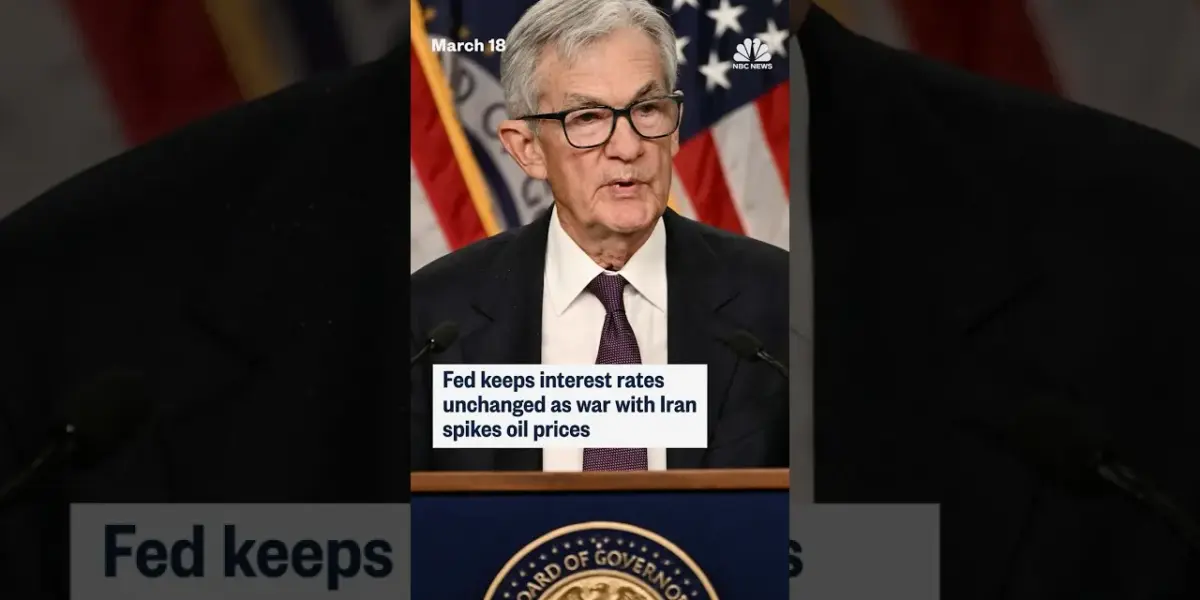
Fed Pauses Rate Hikes Amidst Economic Crosscurrents
The Federal Reserve has decided to keep interest rates unchanged, marking the second consecutive meeting where the central bank opted to hold steady. This decision follows a series of three previous rate cuts, as the Fed attempts to steer the economy through a period of significant uncertainty. The move comes at a critical juncture, with global events directly impacting American consumers and businesses.
This pause in rate adjustments reflects the Fed’s careful balancing act. They are weighing the need to support economic growth against the risks posed by volatile global markets. The decision signals a cautious approach as policymakers monitor incoming data and the unfolding consequences of international events.
Oil Prices Soar Amid Iran Conflict
A major driver behind the Fed’s decision is the dramatic rise in oil prices. The ongoing conflict with Iran has sent shockwaves through global energy markets. Crude oil, gasoline, jet fuel, and home heating oil prices have all seen significant increases due to the instability.
These higher energy costs directly affect the wallets of everyday Americans. Consumers face higher prices at the pump and for heating their homes. Businesses also feel the pinch, with increased transportation and operational costs that can eventually lead to higher prices for goods and services.
Tariff Rulings Add Another Layer of Economic Complexity
Adding to the economic uncertainty is the recent Supreme Court decision regarding tariffs. The court struck down many of President Donald Trump’s broad, country-specific tariffs. This ruling creates a new set of questions about trade policy and its future impact on the economy.
The removal of these tariffs could lead to changes in the cost of imported goods. Businesses that relied on these tariffs for protection may need to adapt their strategies. The long-term effects of this legal decision are still unfolding, creating another variable for the Fed to consider.
Fed’s Balancing Act: Inflation vs. Growth
The Federal Reserve faces a difficult challenge in its monetary policy decisions. On one hand, rising oil prices could contribute to inflation, pushing the cost of goods and services higher. If inflation becomes too high, it erodes purchasing power and can slow economic growth.
On the other hand, the Fed must also support continued economic expansion and maintain a healthy job market. Keeping interest rates low can encourage borrowing and spending, which helps businesses grow and create jobs. However, if rates are too low for too long, it can overheat the economy and lead to unsustainable price increases.
Looking Ahead: Key Economic Indicators to Watch
The Federal Reserve’s next steps will depend heavily on how these economic factors evolve. Policymakers will be closely watching oil price trends and the impact of the Iran conflict on global stability. They will also be assessing the economic consequences of the recent tariff ruling.
Inflation data and employment figures will be crucial in determining future interest rate policy. The Fed’s commitment to maintaining price stability while supporting maximum employment remains its core mandate. Future meetings will reveal how these complex forces shape the central bank’s strategy.
Source: Fed keeps interest rates unchanged as war with Iran spikes oil prices (YouTube)

Related Articles
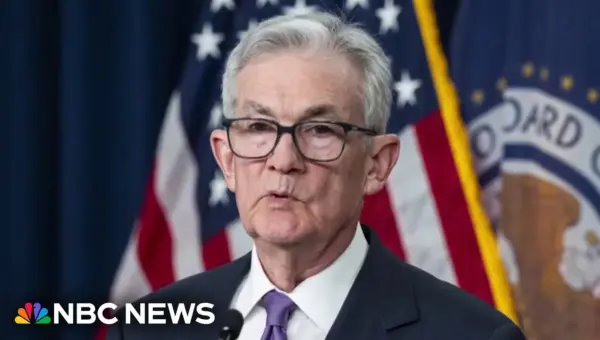
Fed Holds Rates Steady Amid Global Uncertainty, Inflation Fears
The Federal Reserve announced today it is holding interest rates steady for the second consecutive meeting. This decision comes amid rising global uncertainty, particularly due to the war in the Middle East and its impact on oil prices. The Fed also raised its inflation forecast, indicating expectations of higher consumer prices.

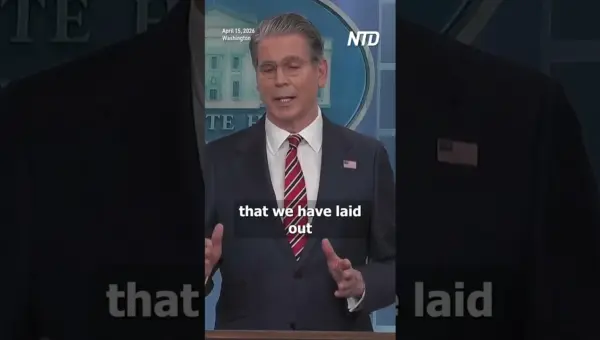
Powell’s Fed Exit Looms: Warsh Poised for Top Job
Kevin Warsh is reportedly set to become the next Federal Reserve Chair, with his confirmation hearing scheduled soon. This potential leadership change at the central bank signals a new direction for U.S. economic policy.
US Actions Abroad Questioned: Rogue State Behavior Alleged
Harvard professor Stephen Walt argues the U.S. is acting like a "rogue state" due to impulsive foreign policy, questionable war planning, and a disregard for international norms. The conflict with Iran highlights limitations in American power, leading allies to question U.S. judgment and seek more stable global partners.