Israel Strikes Lebanon: A Major Escalation Against Hezbollah
Israel recently conducted its largest coordinated strike in Lebanon, targeting over 100 Hezbollah sites in just 10 minutes. The operation highlights escalating tensions and accusations of Hezbollah using civilian areas as shields. This action signals Israel's continued forceful approach against the group.

Israel Strikes Lebanon: A Major Escalation Against Hezbollah
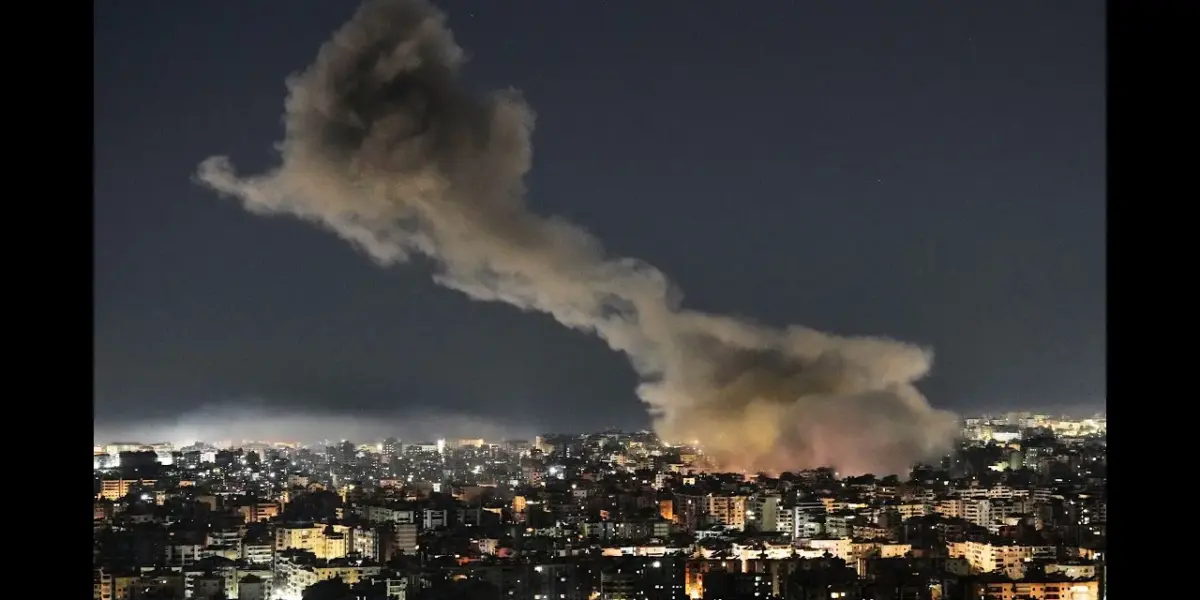
Israel recently carried out its biggest coordinated strike operation in Lebanon since the current conflict began. The Israeli Air Force focused its attacks on sites belonging to Hezbollah, a group supported by Iran. This action marks a significant moment in the ongoing tensions in the region.
The Israeli Air Force reported hitting over 100 Hezbollah headquarters and military sites in a rapid, 10-minute operation. These targets were spread across Beirut, the capital city, as well as central and southern Lebanon. The speed and scale of the strikes suggest a well-planned and executed military action.
According to the Israeli military, these targeted locations were used by Hezbollah to plan and launch attacks, including missile strikes. Israel claims the group deliberately placed its military infrastructure within civilian areas. This practice, Israel states, effectively uses Lebanese civilians as human shields, making it difficult to conduct military operations without risk to non-combatants.
Israel maintains that it took measures to reduce civilian casualties before carrying out the airstrikes. The military has stated its firm intention to continue acting aggressively against Hezbollah.
The goal is to prevent the group from posing any further threat to Israelis. This strong stance signals a commitment to ongoing action.
Why This Matters
This massive strike operation is more than just a military engagement; it represents a serious escalation of the conflict between Israel and Hezbollah. By targeting over 100 sites in such a short period, Israel is sending a clear message about its resolve. The accusations of Hezbollah using civilian areas as shields highlight the complex and dangerous nature of this conflict, where military actions and civilian safety are tragically intertwined.
Historical Context and Background
The conflict between Israel and Hezbollah is not new. These two groups have a long history of clashes, dating back decades.
Hezbollah, a Shiite political and militant group, emerged in Lebanon during the early 1980s. It has since become a powerful force, engaging in numerous confrontations with Israel, including significant wars in 2000 and 2006.
Iran’s support for Hezbollah has been a key factor in the group’s military capabilities. This backing allows Hezbollah to maintain a significant arsenal and continue its operations. The current Israeli strikes are part of a broader regional dynamic, influenced by the ongoing conflict involving Iran and its allies.
Implications and Future Outlook
The implications of this large-scale strike operation are significant. It increases the risk of a wider conflict, potentially drawing in other regional actors.
Both sides have demonstrated a willingness to use considerable force, suggesting that de-escalation may be challenging in the near future. The situation remains volatile.
The use of civilian areas by Hezbollah, as alleged by Israel, presents a difficult challenge for military planners. It raises complex questions about international law and the protection of civilians in conflict zones. The international community will likely be watching closely for any further developments and calls for restraint.
Looking ahead, the ongoing tension suggests that such military actions could become more frequent. Israel’s commitment to forcefully countering Hezbollah’s threats means that confrontations are likely to continue. The focus will remain on how both sides manage the escalation and whether diplomatic solutions can be found amidst the violence.
The next steps in this conflict will depend on the reactions of both Israel and Hezbollah, as well as the broader geopolitical context. The situation is fluid, and further military actions or diplomatic efforts could emerge at any time.
Source: Israel Completes Massive Strike Operation Against Hezbollah in Lebanon (YouTube)

Related Articles

Middle East Conflict Sparks Global Food Price Fears
Escalating tensions in the Middle East are disrupting the global fertilizer supply, threatening to increase food prices worldwide. Farmers are struggling with shortages, and aid organizations warn of rising hunger risks as key shipping routes become restricted.

Iran’s ‘Win by Not Losing’ Strategy in Middle East Conflict
Iran is employing a "win by not losing" strategy in the ongoing Middle East conflict, avoiding direct confrontation while preventing decisive defeats. This approach contrasts with US aims for clear victories, leading to a prolonged and devastating war with no end in sight. The human cost for civilians remains a primary concern as the conflict continues.
Iran Downs US Jet, Fires on Rescue Craft
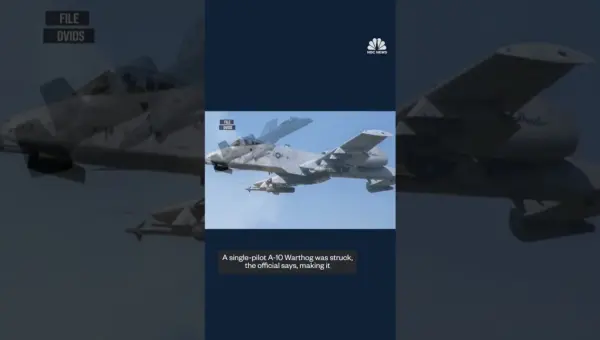
A US F-15E Strike Eagle was shot down by apparent Iranian fire, sparking a search for a missing pilot while a second crew member was rescued. Three US aircraft involved in the rescue mission were also hit by Iranian fire, contradicting recent presidential claims about Iran's air defense capabilities.