Middle East Conflict Sparks Global Food Price Fears
Escalating tensions in the Middle East are disrupting the global fertilizer supply, threatening to increase food prices worldwide. Farmers are struggling with shortages, and aid organizations warn of rising hunger risks as key shipping routes become restricted.


Global Supply Chains at Risk as Iran Conflict Disrupts Fertilizer Flow
Tensions in the Middle East are sending shockwaves through global supply chains, with experts warning that disruptions to fertilizer supplies could soon lead to higher grocery bills for consumers worldwide. The impact is expected to affect everything from basic crops like corn and wheat to everyday food products such as bread and meat.
At the heart of this growing concern is fertilizer, a crucial component for modern agriculture. A significant portion of the world’s fertilizer ingredients, estimated at about one-third, must pass through the Strait of Hormuz, a vital shipping lane. Recent escalations in the region have severely limited traffic through this narrow waterway.
Fertilizer Prices Soar, Threatening Crop Yields
The restriction of passage through the Strait of Hormuz has caused fertilizer prices to spike dramatically. Urea, a key fertilizer ingredient, has reached its highest price point since 2022. This price surge directly impacts farmers globally, as most crops require fertilizer to grow effectively.
“Anything that is grown and that requires fertilizers, which is most of everything that we consume, is potentially affected across the world,” stated one expert. “The ripple effects are going to be quite significant.” This means that nearly all food production could face higher costs and potential shortages.
Farmers Struggle Amid Shortages, Hunger Risks Mount
In Kenya, farmers are experiencing the immediate effects of these shortages. They are forming long lines early in the morning, hoping to obtain just a few bags of fertilizer. The difficulty in securing this essential farming input is already making it harder for them to plant their crops, threatening future harvests.
The World Food Programme has issued a stark warning: an additional 45 million people are now at risk of acute hunger due to these developing global food security issues. These rising costs are expected to be passed on to consumers, many of whom are already struggling with their household budgets.
US Food Security Concerns Grow with Rising Costs
The United States is also facing growing concerns about food security. Currently, about 13% of American households experience food insecurity, with over 7 million people facing very low food security. The current situation risks worsening these numbers significantly.
Adding to the pressure are higher diesel prices. This increase affects not only the cost of running farm equipment but also the expense of transporting food from farms to grocery stores. “Energy prices are affecting us,” noted one farmer.
Agricultural Producers Face Economic Strain
Will Harris, a fourth-generation cattle farmer in Georgia, highlighted the broad impact of rising fertilizer and energy prices on agricultural production across the country. He expressed concern that the increasing costs of beef, driven by these pressures, could eventually hurt his business volume.
Even before the recent Middle East conflict, farmers were already grappling with financial challenges. Rising operational costs, trade tariffs, and intense global competition had placed significant strain on agricultural producers nationwide.
Looking Ahead: Monitoring the Strait and Food Prices
The situation remains fluid, with the ongoing conflict in the Middle East directly influencing the flow of vital fertilizer supplies. Consumers and agricultural markets will be closely watching developments around the Strait of Hormuz and the subsequent impact on fertilizer prices and, ultimately, food costs in the coming weeks and months.
Source: War with Iran threatens global fertilizer supply, driving concerns of food price spike (YouTube)

Related Articles

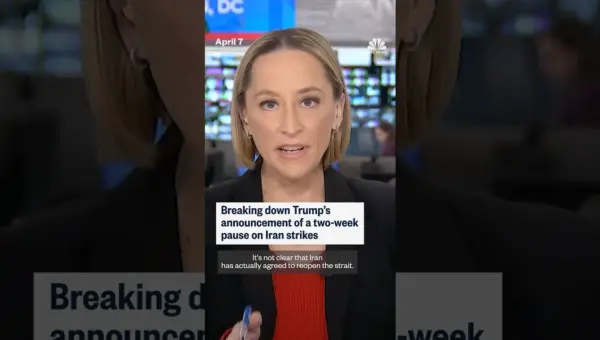
Trump Pauses Iran Strikes Amid Strait of Hormuz Dispute
President Donald Trump has announced a two-week pause on military strikes against Iran, contingent on the nation reopening the Strait of Hormuz. U.S. officials have not yet confirmed if a ceasefire has begun, highlighting the uncertain nature of the announcement. Iran's continued drone and missile activity also raises questions about its military capacity.


Iran Rejects Trump’s Deadline, Strait of Hormuz Remains Closed
Iran has reportedly rejected President Trump's ultimatum, according to Pakistani and Gulf officials. The Strait of Hormuz remains closed, and direct negotiations with the U.S. are off the table. A Tehran law professor questioned how U.S. actions align with its stated values.


Jet Fuel Crisis Looms: Global Travel Faces Disruption
A severe jet fuel shortage looms as the conflict in the Middle East has effectively closed the Strait of Hormuz, impacting global oil supply. Airlines worldwide are preparing for higher costs, route reductions, and potential flight cancellations. The crisis is expected to raise ticket prices and affect supply chains, leading to broader economic consequences.